Post-War Co-Op Gut Renovation — 2 bed, 2 bath
East Village, Manhattan
Two Bed, Two Bath Co-op Full Gut Renovation | East Village, NYC
115 E 9th St. New York, NY 10013
Two bed, two bath co-op, purchased in estate condition
1100 sq. ft
Scope:
Location:
Typology:
Size:
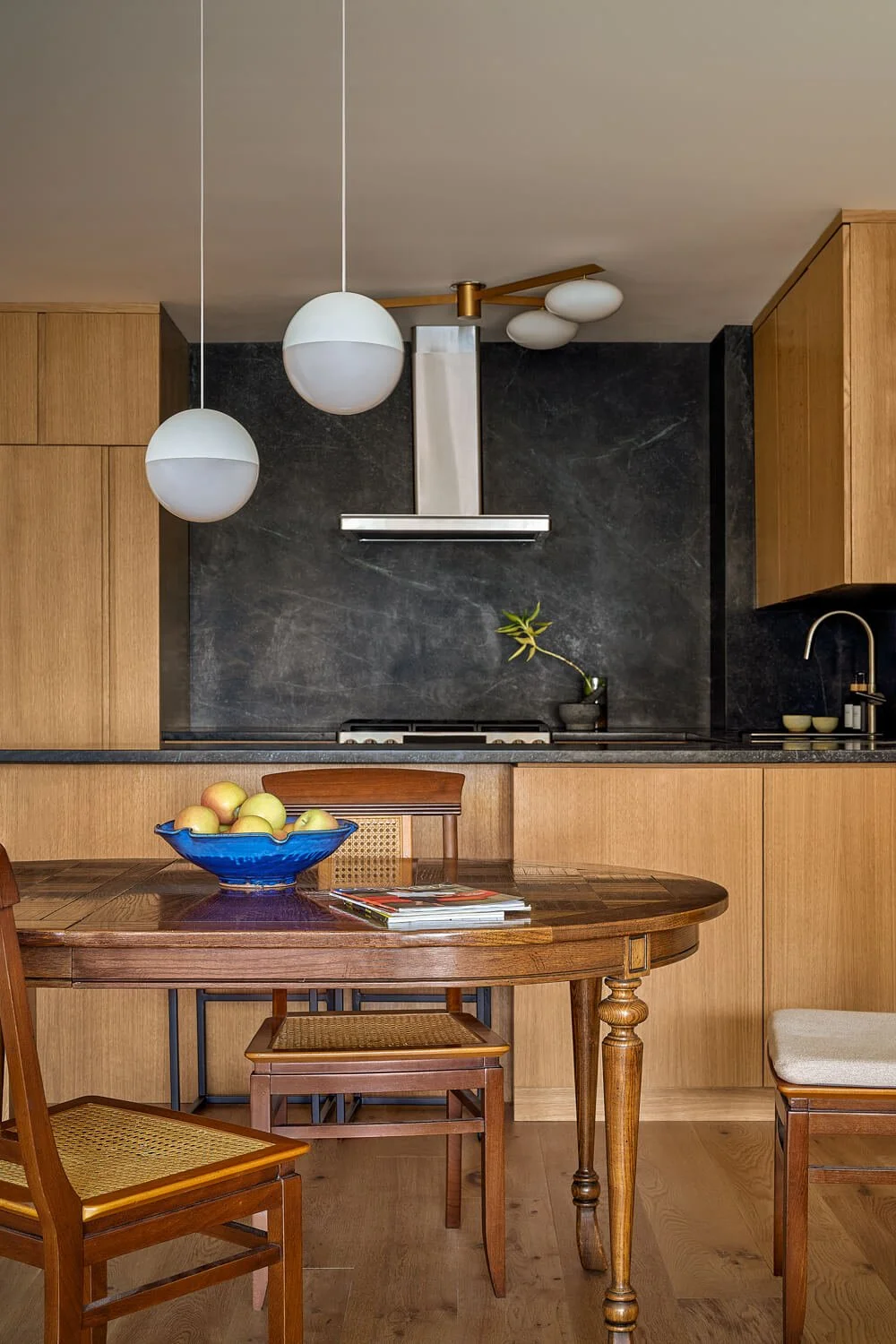
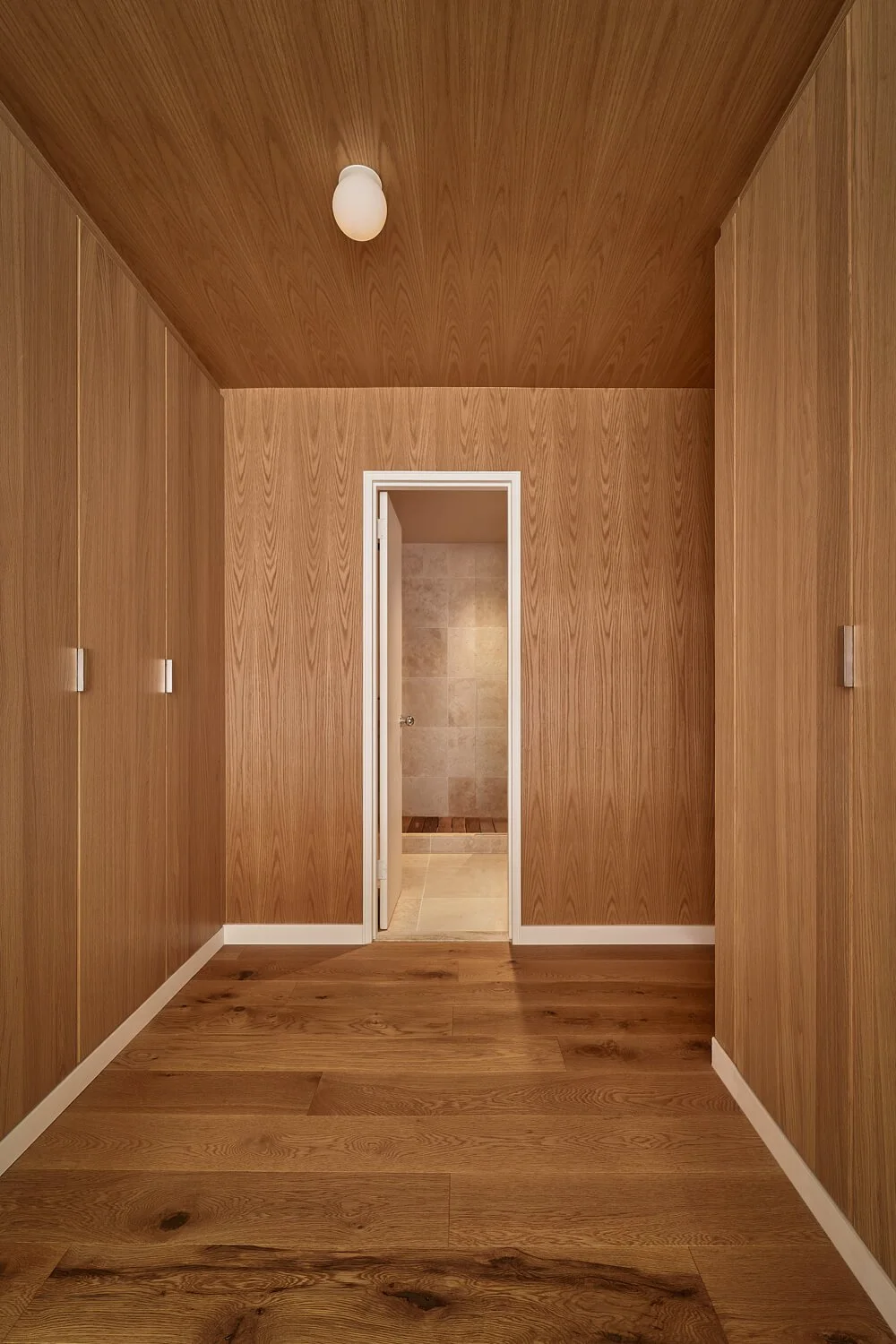
A gut renovation of a two-bedroom, two-bathroom co-op in The St. Mark — a 1965 post-war building at the crossroads of the East Village and Greenwich Village, designed by noted architect Robert Bien. This post-war apartment renovation in NYC required Mammoth to work within the specific constraints of mid-century construction while delivering an interior that feels current, considered, and completely specific to how the clients actually live.
The Building
Post-war co-ops in NYC present a different set of renovation challenges than their pre-war counterparts. Lower ceilings, smaller rooms, and modern infrastructure that is simultaneously more accessible and less charming than the systems found in pre-war buildings define the parameters of every design-build decision. The St. Mark is a well-run cooperative with an active board approval process — all renovation work required submission to the co-op board, coordination with building management, and strict adherence to the building's alteration agreement. Mammoth managed the board approval process as part of the full renovation scope, from initial submission through final sign-off.
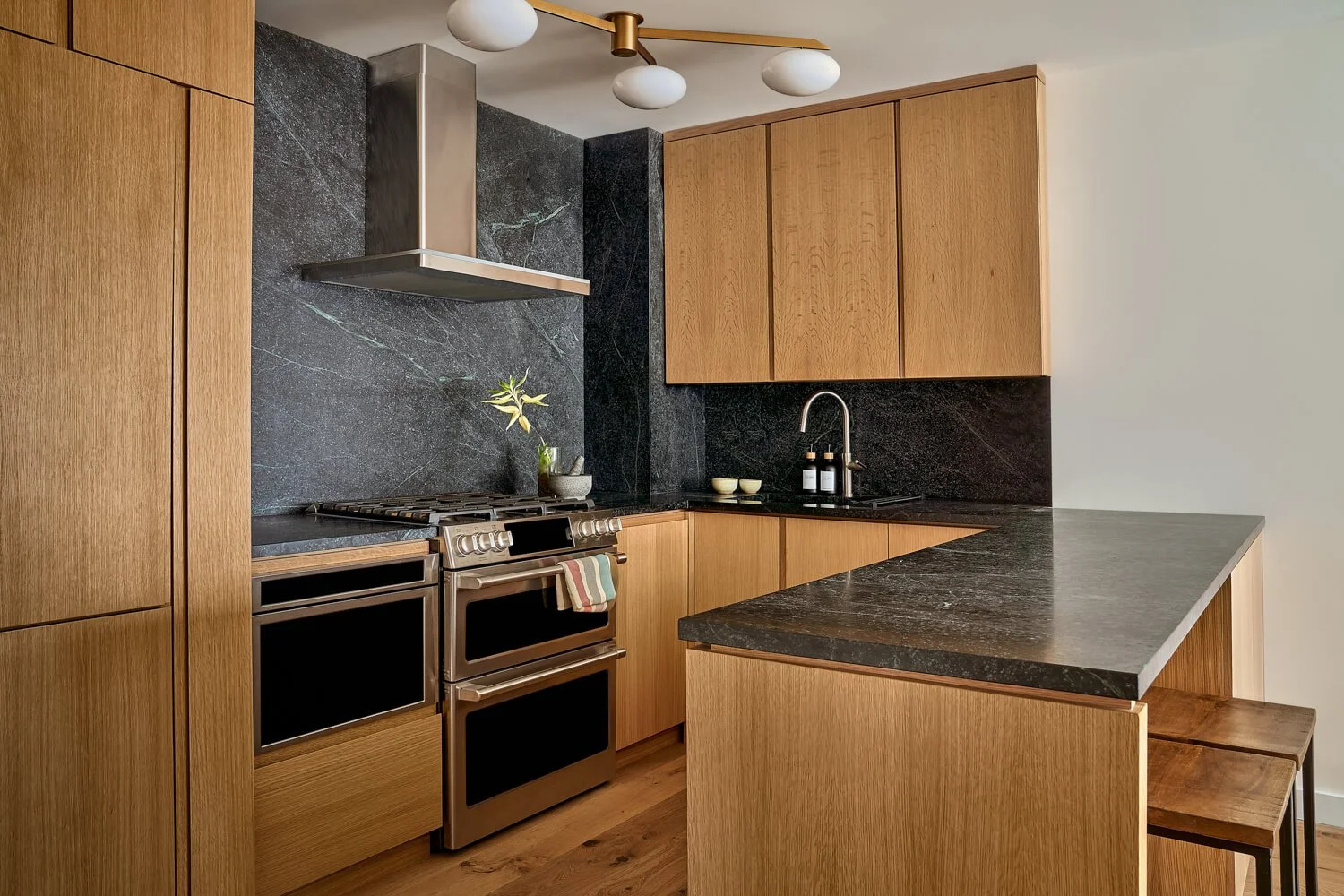
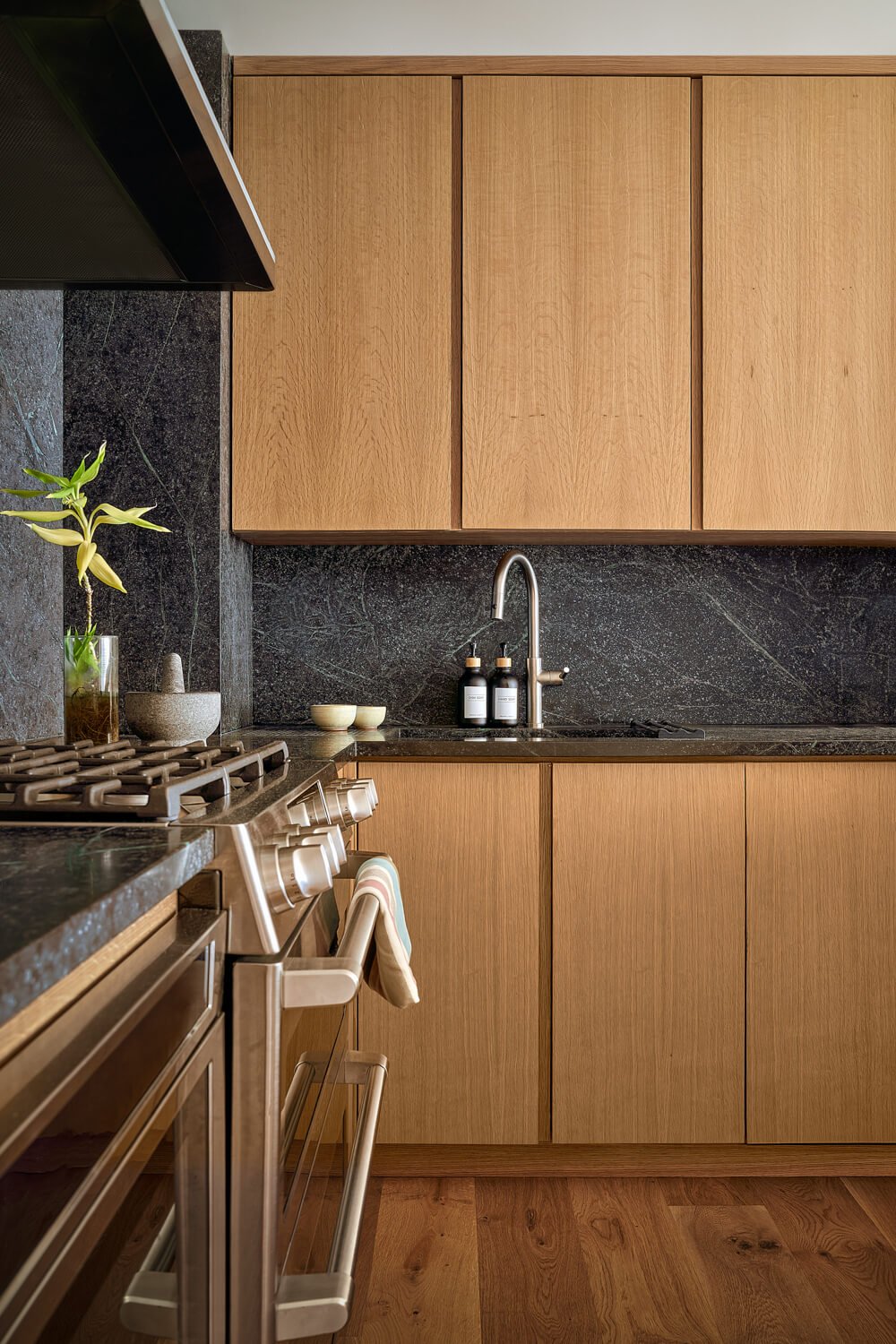
The Kitchen
The floor plan was reconfigured to create an open kitchen that connects directly to the living area — a structural change that transformed how the apartment feels and functions. An open-concept layout is the single most impactful renovation move available in a post-war NYC condo, and here it was executed precisely: the wall came down, the kitchen was rebuilt from scratch, and the visual connection between cooking and living created a space that reads as twice its actual size. Custom millwork cabinetry runs floor to ceiling, with a backsplash and countertop material selection that brings warmth to the clean, modern palette. Wood floors were refinished throughout and run continuously from the open kitchen through the living room, anchoring the open-concept layouts in a material that is both practical and timeless.
The Bathrooms
Both bathrooms were gutted and rebuilt. The primary bathroom received a full renovation — new tile, new fixtures, sconces on either side of the vanity mirror, and a shower rebuilt from the walls out. Soundproofing was addressed in both bathrooms as part of the renovation work — a consideration that matters more in post-war buildings than pre-war, where the concrete construction transmits sound differently. Custom millwork vanities and high-quality hardware throughout reflect the same standard of craft as every other element of the renovation work.
The Details
Throughout the apartment, renovation costs were managed through precise scoping — every decision was made with the full budget in view, prioritizing the changes with the greatest impact on daily life. Crown moldings were added to soften the transition between walls and ceiling, introducing a detail that post-war apartments typically lack and pre-war buyers expect. Parquet flooring in the bedrooms was refinished rather than replaced — a renovation decision that preserved original character while significantly reducing renovation costs. Herringbone floors were considered and ultimately not selected — the refinished parquet was the stronger choice for this particular postwar apartment in NYC.
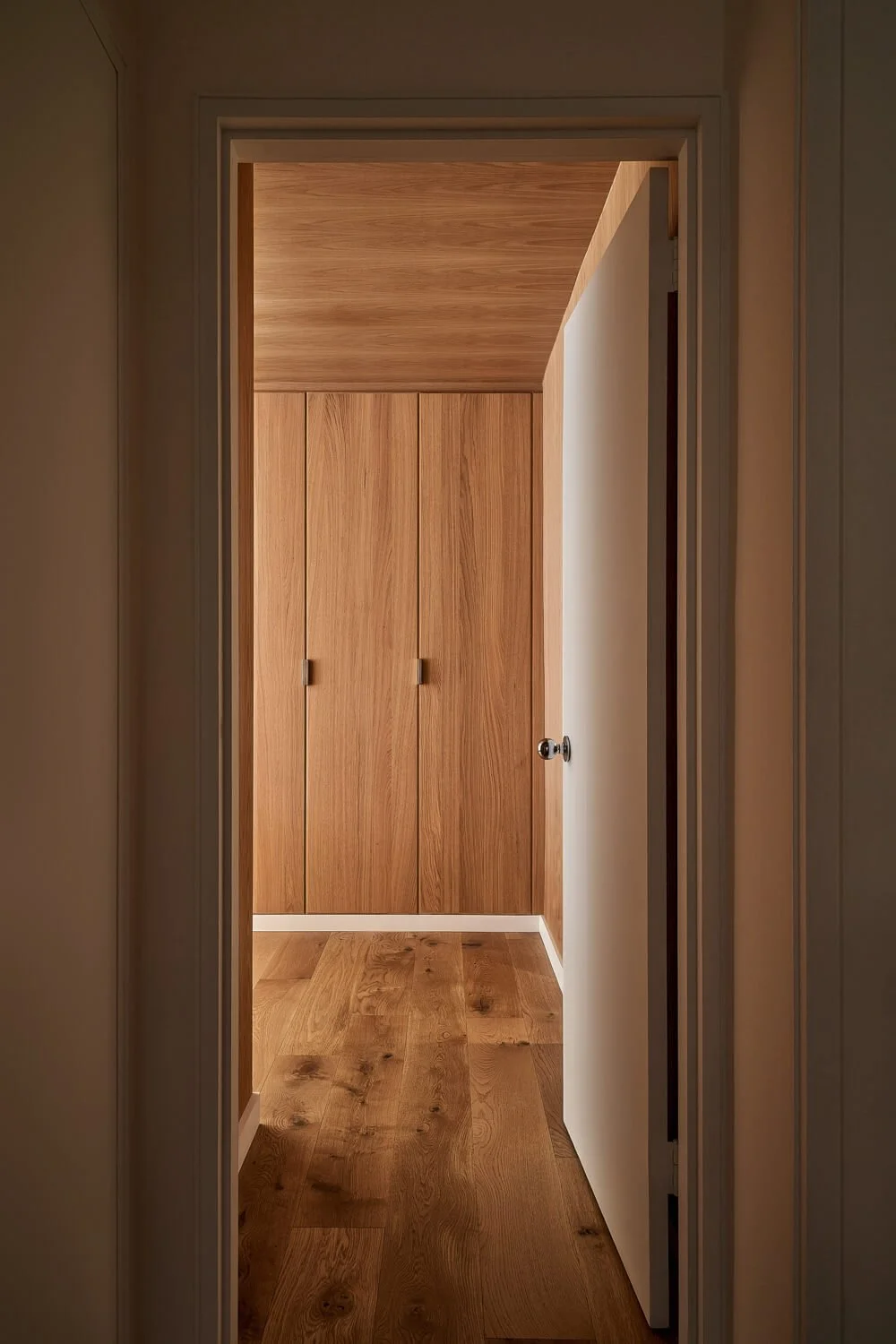
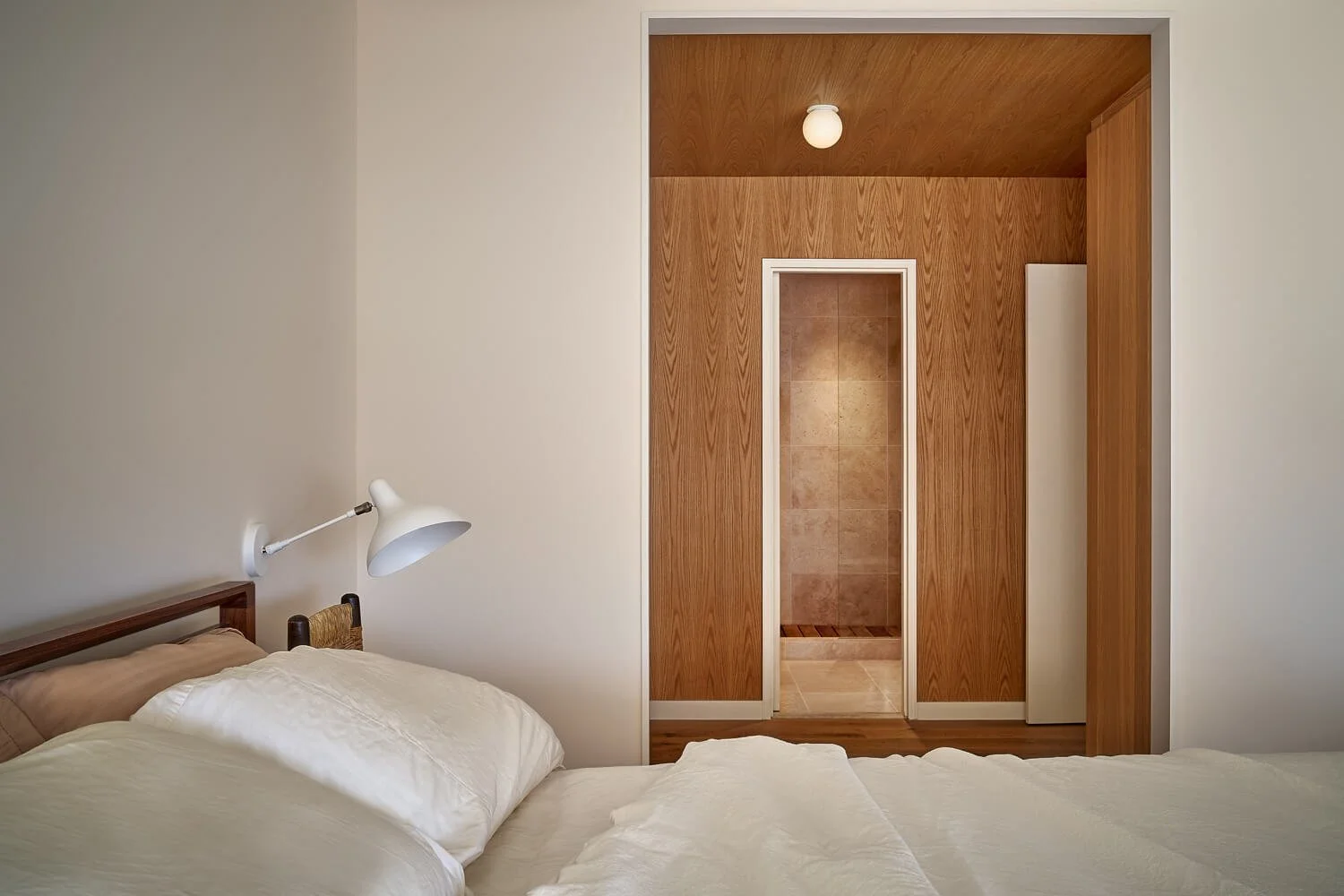
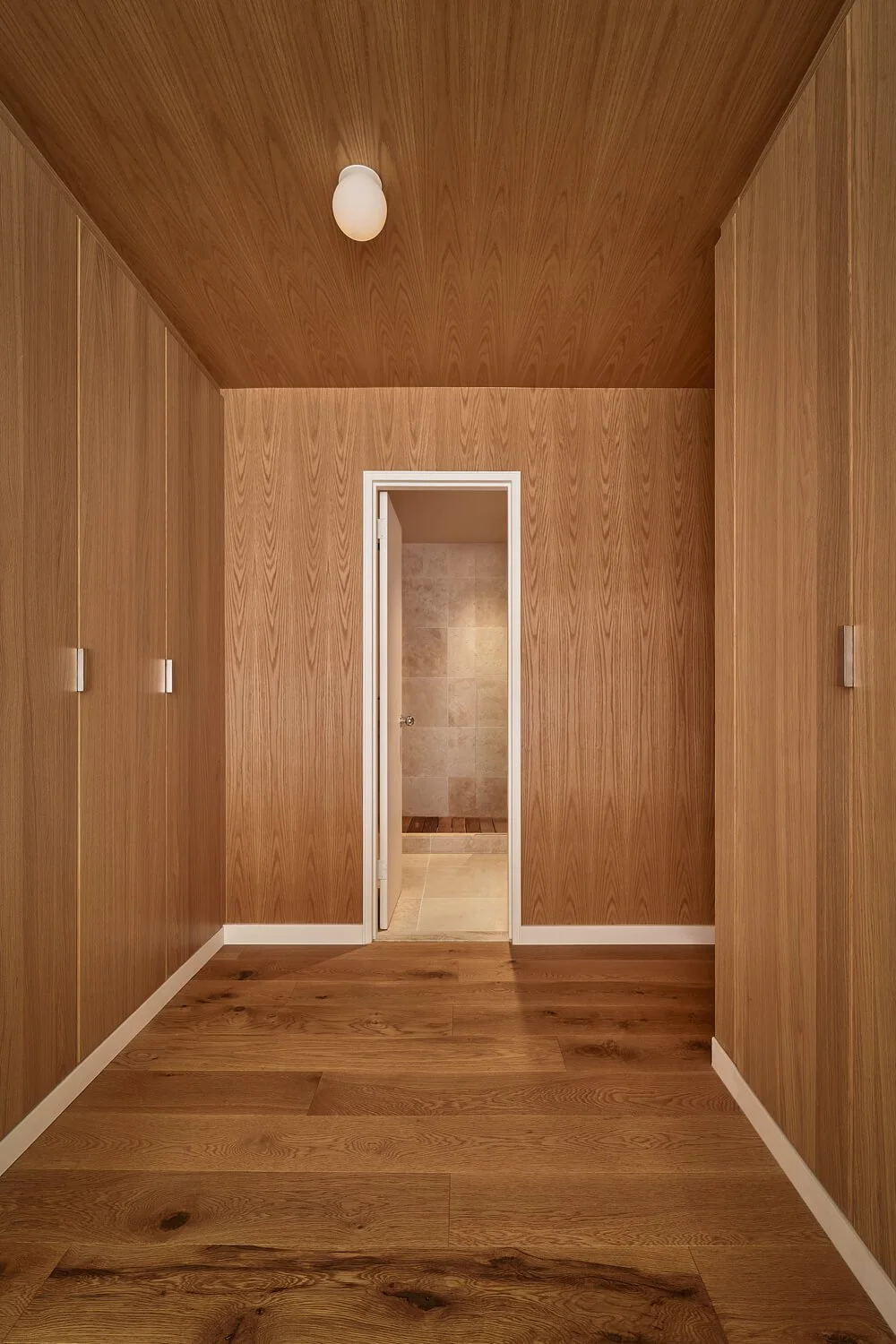
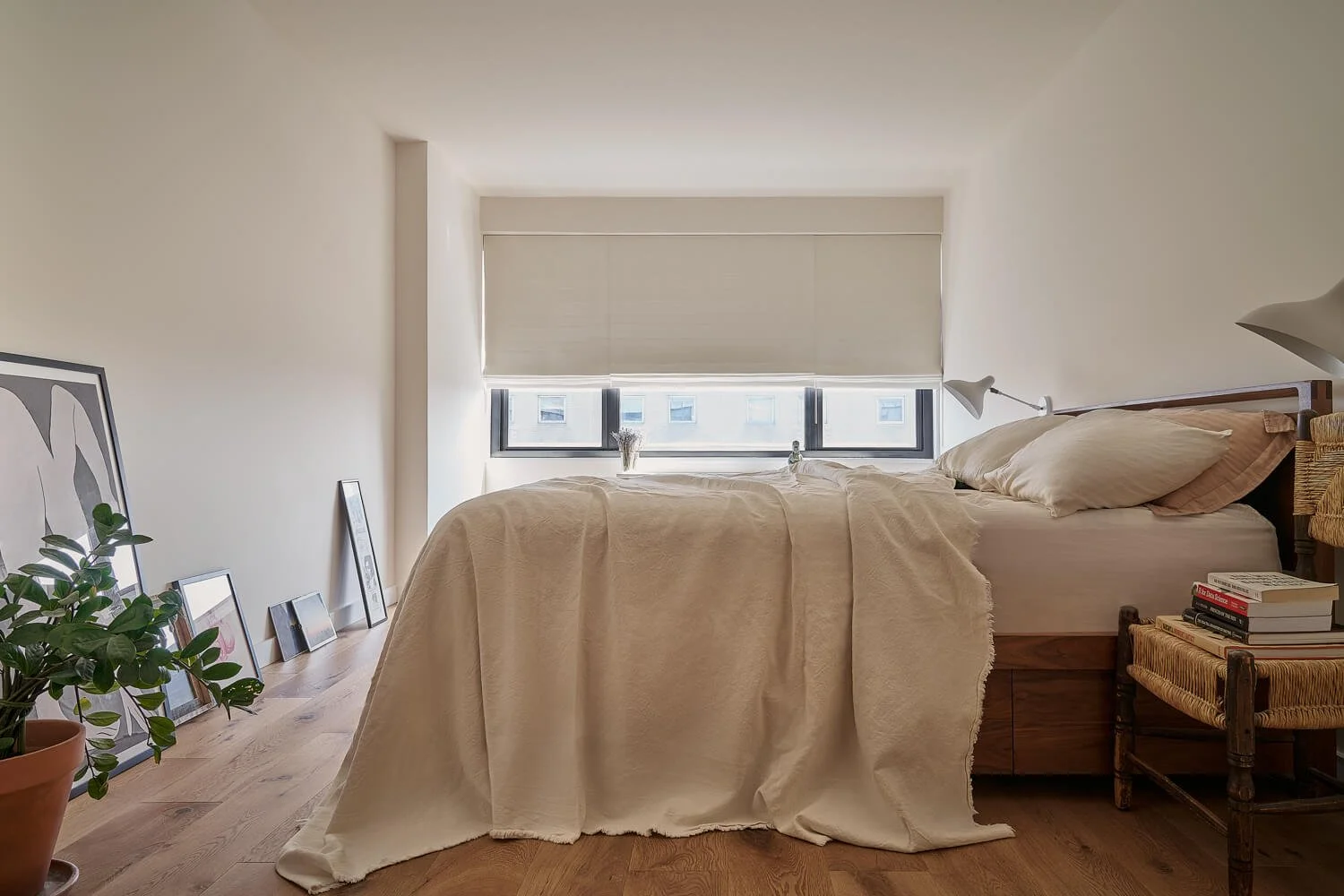
Built-in storage was designed throughout both bedrooms, making the most of every inch of a floor plan that, like most NYC condo renovations, required creative thinking to maximize. Large windows in the living room and primary bedroom bring natural light deep into the apartment — one of the genuine advantages of The St. Mark's post-war construction over townhouses and brownstones where light is often more limited.
The Process
As a gut renovation in a post-war co-op at the boundary of Greenwich Village and the East Village — this project required the full Mammoth design-build process: design development, board approval submission, coordination of DOB permits, demolition, framing, mechanical systems, electrical, plumbing, custom millwork fabrication, and interior design through to furniture selection. Modern amenities were introduced throughout while the renovation work respected the building's mid-century bones. Renovation costs were kept on budget through Mammoth's integrated design-build model — no gaps between designer and contractor, no change orders from miscommunication, just a single team accountable for the outcome from first drawing to final walkthrough.
For owners of post-war apartments in NYC — whether in the East Village, Greenwich Village, Upper West Side, Upper East Side, or across Manhattan's co-op and condo buildings — this project demonstrates what a design-build firm delivers when the brief is to make a post-war apartment in NYC feel like exactly the home it should always have been.