
NYC Renovation & Interior Design Blogs | Mammoth NYC

NYC Home Renovation - A Full Guide by Experts
Renovating a home in New York City is a complex mechanical process governed by strict building rules, tight layouts, and heavy administrative oversight. From coordinating specialized trades in high-end kitchens to clearing co-op board approvals and Department of Buildings permits, success depends on solid planning. Discover how an integrated design-build model keeps budgets under control and projects moving smoothly.

NYC Interior Designers: Space Planning, Execution and Local Expertise
Renovating in New York means navigating landmark rules, co-op boards, and structural realities most cities never have to consider — here's how real projects, from Park Avenue to SoHo, actually get done.
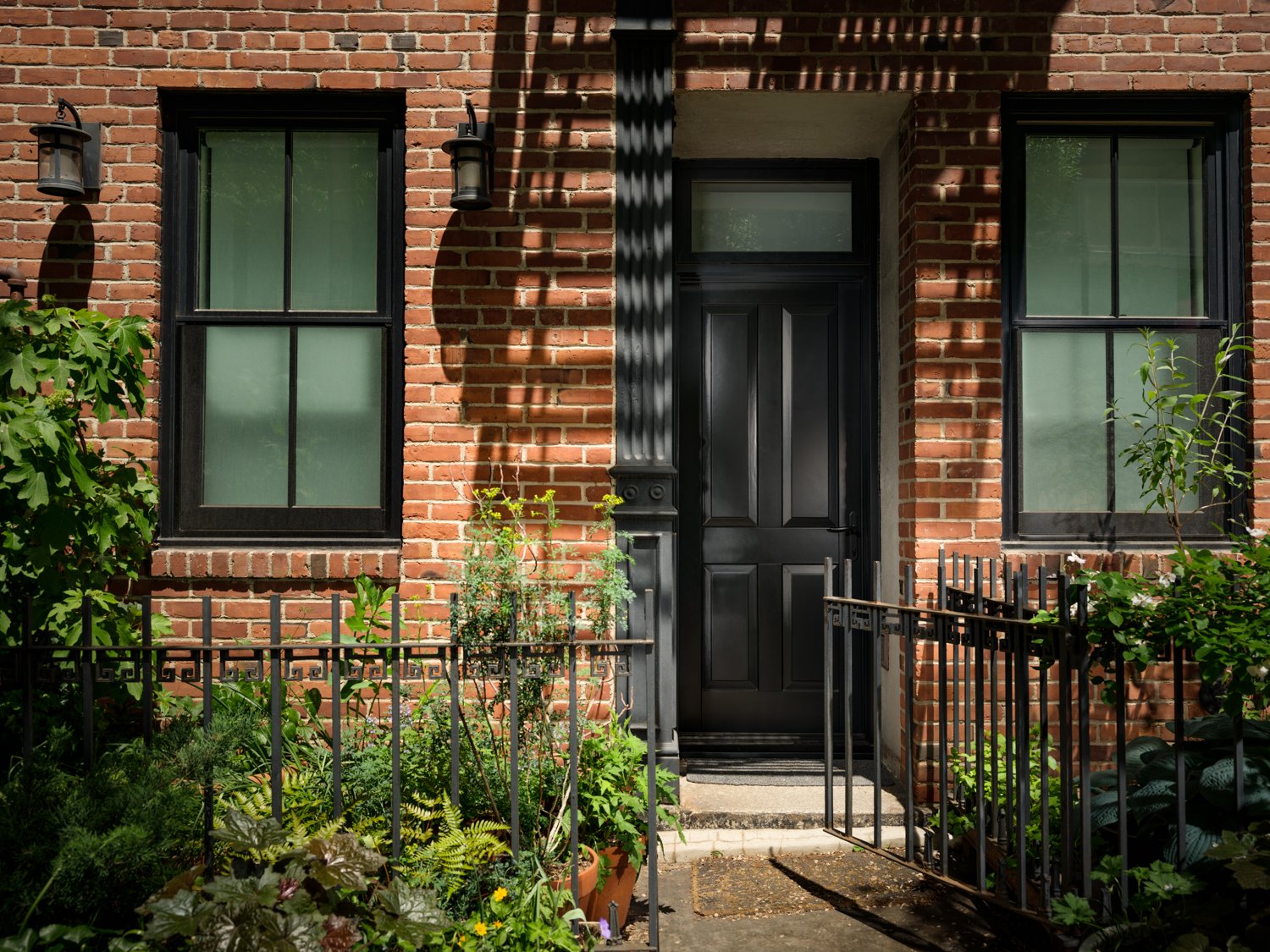
NYC Apartment Renovation Contractors
A full gut renovation in New York means working inside buildings with their own history, shared utilities, and rules that don't bend — here's what it actually takes to get it right.

How to Choose the Right Office Interior Design Partner for Your Workspace
Selecting an interior design partner isn't just a creative decision — it's a capital investment. Here's what executive leadership should actually be evaluating.

Practical Considerations When Designing a Commercial Space
Strategic commercial design directly impacts user experience, staff productivity, and long-term tenant retention. Essential structural and operational factors should be considered before starting a design project.
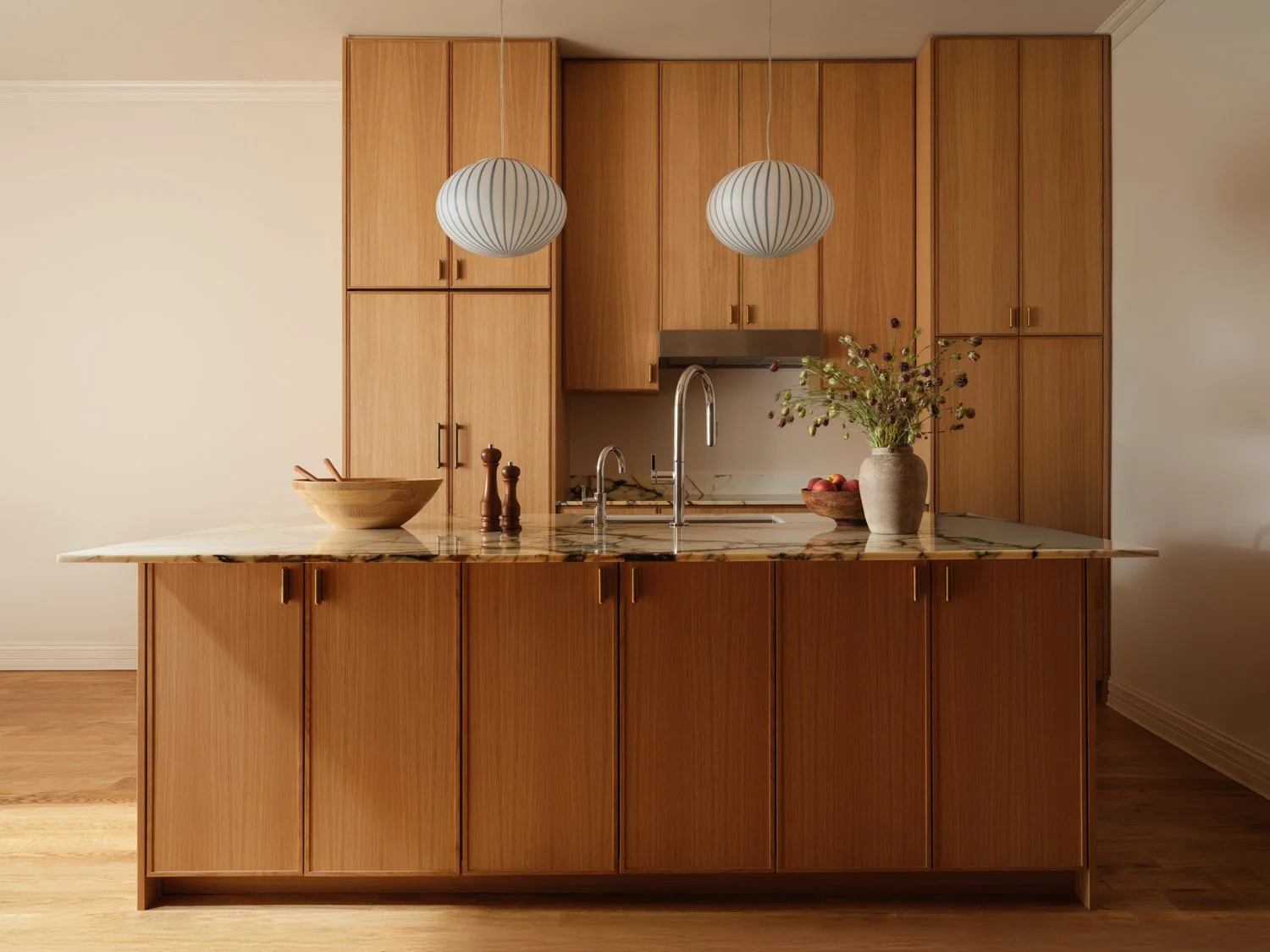
East Village Renovations
The East Village is one of Manhattan's most architecturally distinct neighborhoods — and one of its most demanding to renovate, with historic districts, tight footprints, and red tape most homeowners never see coming.

Midtown Manhattan Renovations
Midtown Manhattan is one of the most dynamic architectural canvases in New York — and one of its most demanding renovation environments, shaped by history, board approvals, and architectural red tape most homeowners never see coming.


Brooklyn Heights Renovations
A renovation in Brooklyn Heights means working within a framework that protects the neighborhood's identity, and doing that well takes more than good taste. It takes a team that actually understands the regulatory landscape here, the way these buildings were originally built, their character, their past — and where that history can still go.
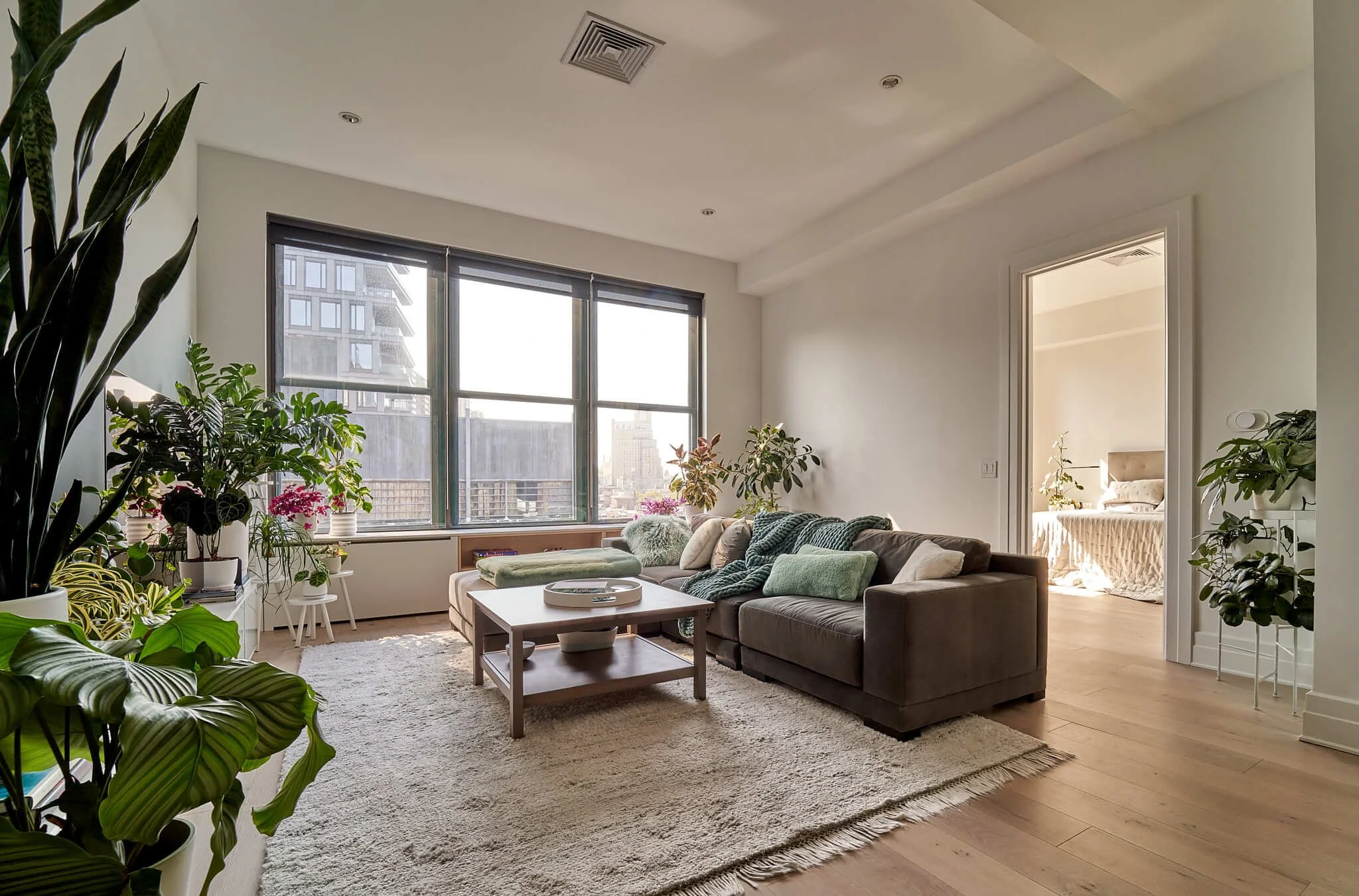
Dumbo Renovations
DUMBO, Brooklyn — short for Down Under the Manhattan Bridge Overpass — sits between the East River, the Manhattan skyline, and two famous bridges. With its Belgian block streets, Main Street, Brooklyn Bridge Park, the DUMBO Archway, and nearby Vinegar Hill, this Brooklyn neighborhood has a unique urban charm along DUMBO's waterfront.
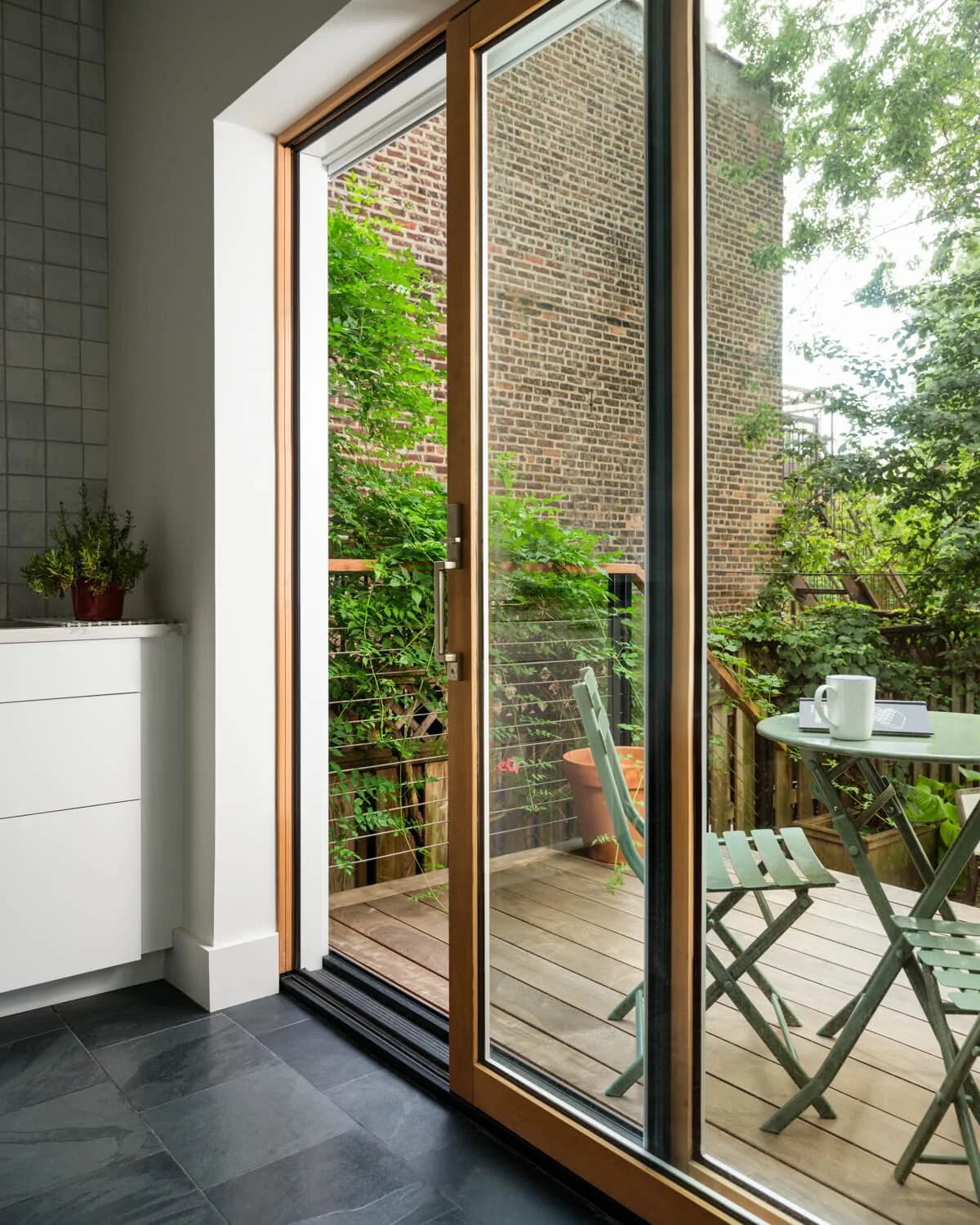
Park Slope Renovations
Park Slope's defining feature lies in its distinct architectural identity: tree-lined streets, majestic Romanesque Revival and Renaissance Revival facades, and iconic stoops. Extending from Prospect Park West down to Fourth Avenue, this Brooklyn neighborhood is irresistible not only to homeowners, but also to architects and designers. Stepping off the street and crossing one of the neighborhood's iconic brownstone stoops offers a residential experience with unmatched potential in today's market.

Upper West Side Renovations
The moment you walk the Upper West Side, the difference from the rest of Manhattan is immediate. Wide avenues. Prewar buildings with real presence. A pace that slows the instant you step off Broadway, even just blocks from downtown's rush. This is a neighborhood people move to and stay in — often for decades — and an apartment renovation here tends to carry that same intention.

Renovating in SoHo: Where History Meets Design
In New York, most of a neighborhood's buildings weren't meant to be homes in the first place — that's true of SoHo especially. They were factories and warehouses, built for machinery, not living rooms. That's also why these buildings carry such strong character: it comes directly from their past and history. Renovating them means keeping that history in mind and working with it directly, rather than around it.
West Village Renovations: What to Expect Before You Start
Renovating in the West Village doesn't really compare to renovating anywhere else in the city. Part of that comes down to the neighborhood itself — the tree-lined streets, the townhouses, buildings that have been sitting exactly where they are for well over a hundred years. That same character is what shapes almost every decision once a full renovation actually gets underway.

New York City Interior Design and Renovations: The Importance of Thoughtful Space Planning
Interior design and renovation are really part of the same conversation in New York City, since a distinctive space here almost always depends on decisions made long before finishes ever come up — how the layout works, what a board will approve, what a building's own history allows. Good NYC interior design accounts for all of it, not just what a room looks like once it's finished. It takes in the space or building's history, its character, its full potential. It preserves what's worth keeping and creates what's needed to meet the homeowners' specific desires, aiming for a space that reflects their lifestyle and personality — while holding on to the identity that made the space special in the first place.

Budgeting for a Pre-War Apartment Renovation
There's really no simple way to put a number on a pre-war apartment renovation. These are buildings with a unique character that makes most people fall in love the moment they step inside — the high ceilings, the moldings, the sense that a space has actual history to it — but that same character can also be attached to decades of decisions nobody documented, outdated systems, and surprises hidden behind the walls. Getting the budget right means accounting for both: the renovation you're picturing, and the building's own past showing up somewhere along the way. That's why budgeting for this kind of renovation can be so much more complex than for any other modern building in New York City.
Transform Your Condo Interior Design with Expert Advice and Tips
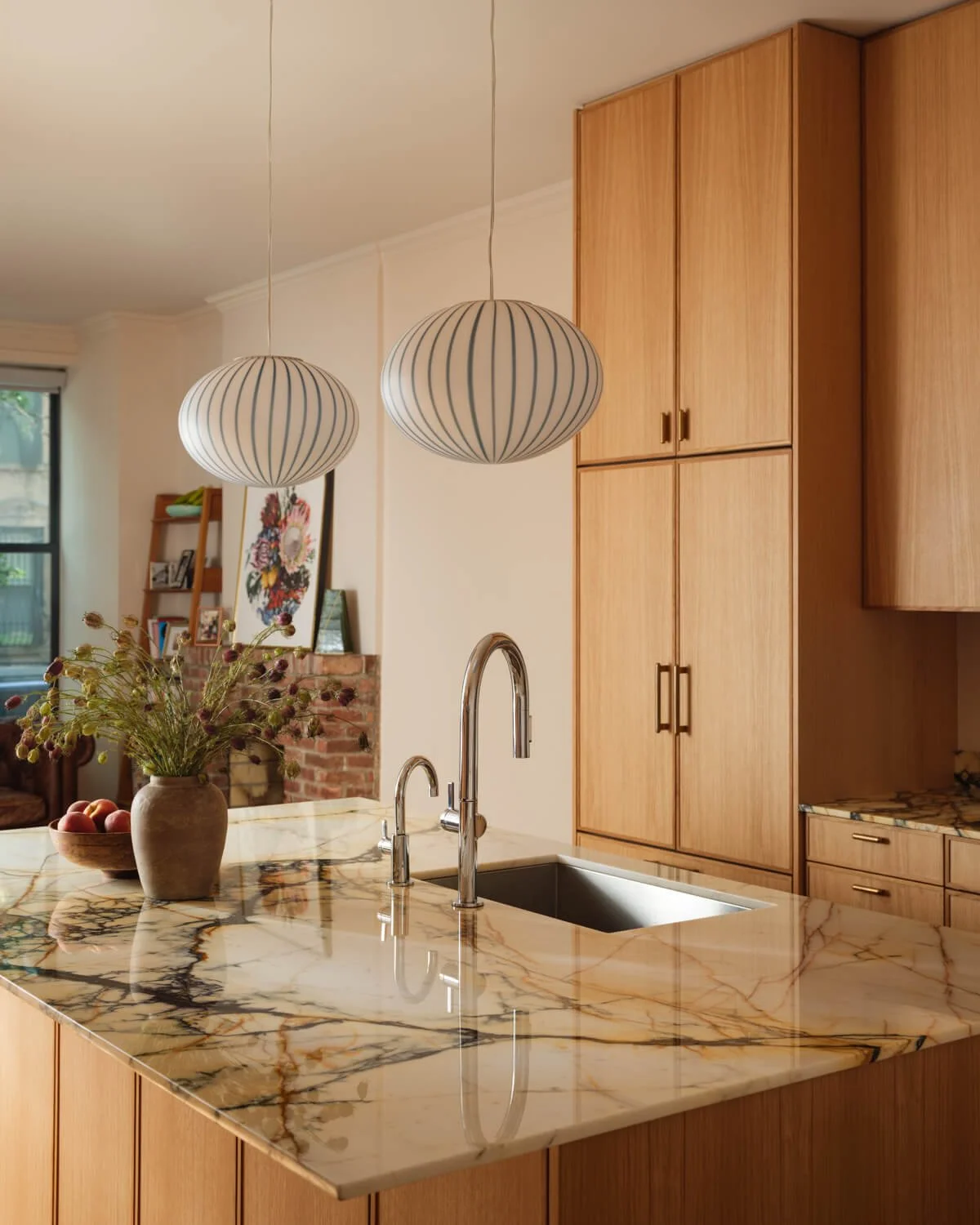
Designing inside a co-op or condo is nothing like designing a house from scratch. The square footage doesn't move. The rules aren't really yours to bend. And half the decisions that would be simple almost anywhere else — moving a wall, reworking a layout, even picking certain finishes — come with an entire process attached. None of that means the space has to feel compromised, though. It just means the design has to work harder to earn what a house gets for free.

Loft Interior Design: Transform Your Space with Modern Elegance and Industrial Charm
People highly appreciate the experience of living in a loft, and not only homeowners, but everyone who has the opportunity to walk inside one. This is mainly because of their high ceilings and the light pouring in through windows that were never designed with curtains in mind. It is undeniable: a loft is the kind of space that feels different from a regular apartment before you've even placed a single piece of furniture in it.

Full Condo Renovation Cost: Budgeting Tips and Key Factors for Success
When it comes to a full apartment renovation in NYC, owners will likely encounter differing opinions about what it actually costs. And maybe all of them are correct — the truth is, apartment renovation costs in NYC swing wildly depending on the building, the scope, and a dozen smaller factors most people never think to ask about or consider until they're already deep into the process. This city, specifically, is complex in various ways when it comes to construction and remodeling.

Home Renovation Contractors NYC
Renovating a home in New York City entails a series of steps and requirements that differ from those in other cities. This city has its own layers of complexity — tied to co-op boards, buildings that predate modern construction standards, and a permitting process that moves at its own pace. This is why the contractor you choose becomes a key component in how efficiently the project runs. The right team can smooth out the process and save a great deal of time and effort, almost making the complexity invisible to homeowners.