
Pre-War Apartments NYC: What They Are and Why They Endure
Table of Contents
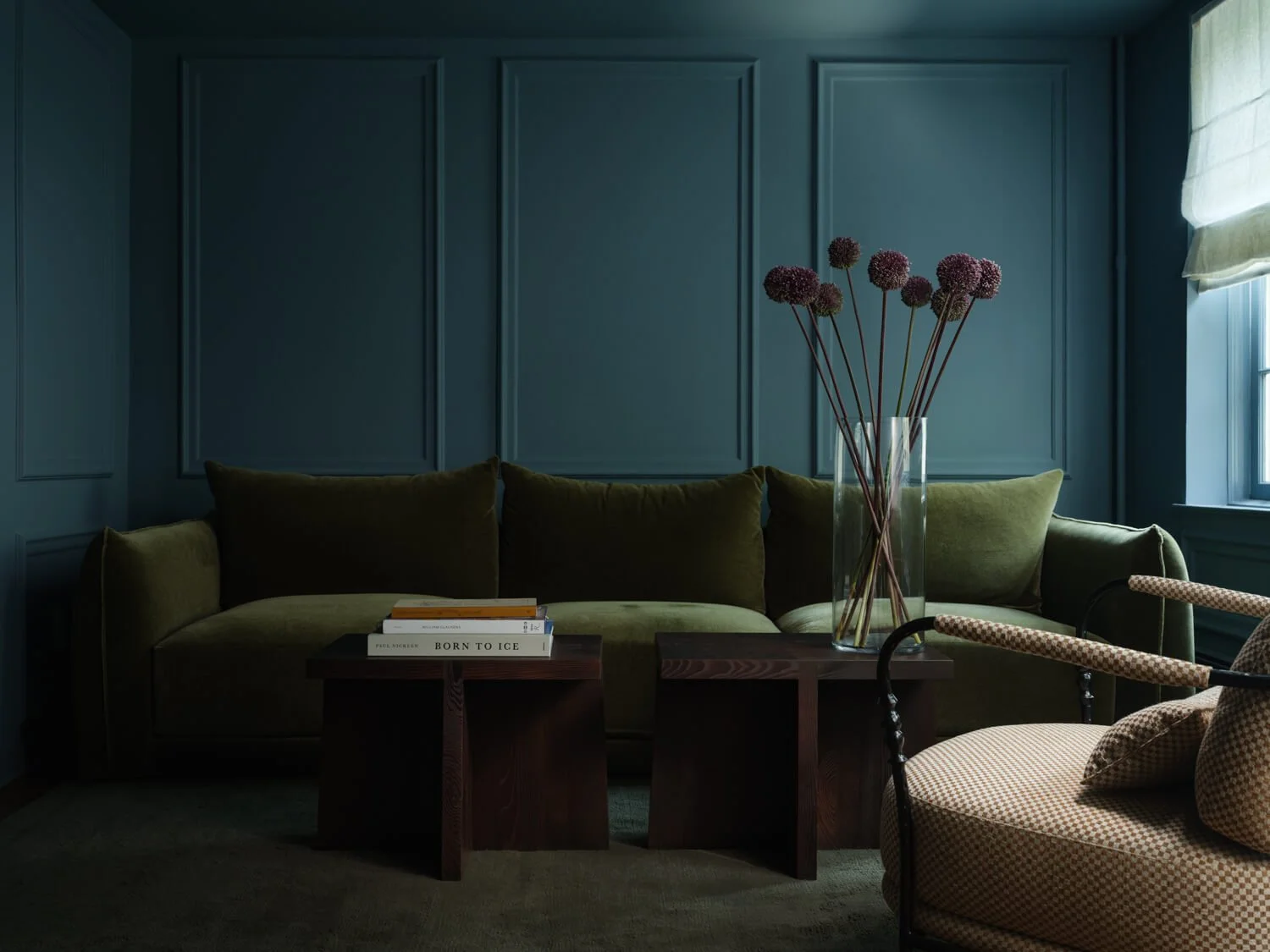
Brooklyn Heights Pre-War Apartment Renovation
Design-Build Renovation by Mammoth
Photography by Joe Kramm
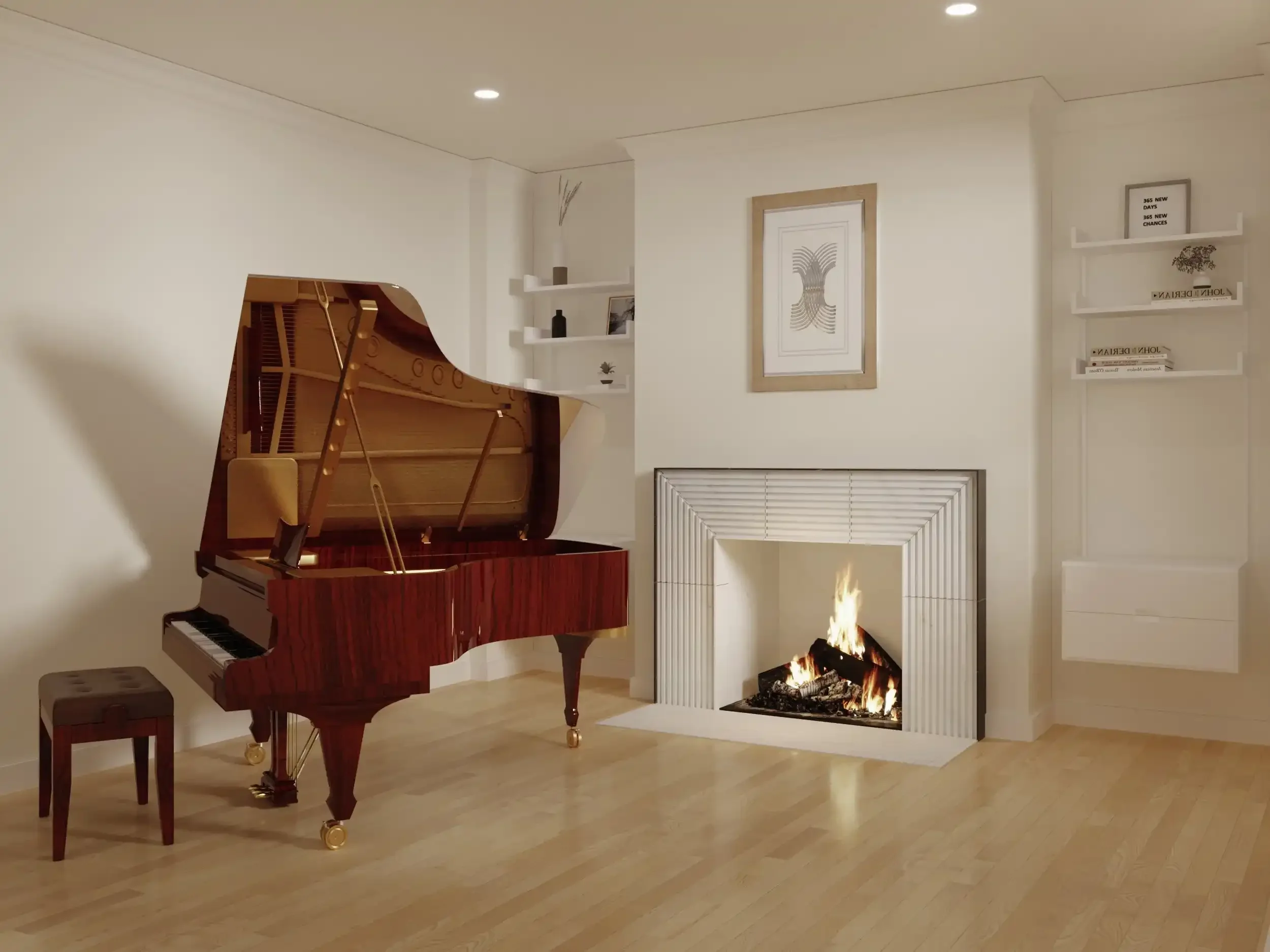
Pre-War Apartment Renovation
Design-Build Renovation by Mammoth
Photography by Joe Kramm
New York City is an exceptional place to live. We encounter a diverse, vibrant, and culturally rich life, besides an equally diverse architectural environment. And in a city full of glass towers and modern skyscrapers, a pre-war apartment is almost something to feel reverence toward. A structure defined by craftsmanship and a sense of resilience and permanence that newer construction so rarely achieves.
Whether you're a first-time renter trying to decode a listing or a buyer seriously weighing your options, understanding what pre-war really means — as well as what it really costs — is essential to making a smart decision in the NYC market.
What Defines a Pre-War Apartment?
The term "pre-war" refers to residential buildings constructed before World War II — this means before 1940, though some stretch the definition to include the early 1940s. To fully grasp the importance of this historic frame, we need to go back in time, to a city where construction was driven by the rapid urbanization of Manhattan, Brooklyn, and the Bronx. Also, an enormous range of building types: grand co-op buildings on the Upper West Side, tenement conversions in the East Village, elegant doorman buildings along Park Avenue, and six-story walk-ups throughout Brooklyn Heights and Harlem.
Behind all of these characteristics was a construction philosophy centered on solidity and attention to detail. These buildings featured exceptionally thick walls—often 12 to 18 inches of masonry—hardwood floors, and high ceilings.
At the time, it was common for developers to compete on the quality of their craftsmanship. Lobbies, mailboxes, and elevators were all designed with a clear purpose: to create something built to last. As a result, lobbies featured ornate moldings, mailboxes were made of brass, and elevators were often paneled in mahogany. These structures were designed to withstand the test of time, and much of their appeal today—both aesthetic and functional—stems from that enduring quality.
It is also important to note that most New York City buildings constructed before World War II are organized as housing cooperatives (co-ops) rather than condominiums. As a result, prospective buyers must become familiar with the co-op board's requirements, the building’s financials, and the approval process for purchasing a property in this type of building, which differs significantly from buying a condo.
The Signature Features
A pre-war apartment has a number of details that set it apart from newer buildings:
High Ceilings
Pre-war apartments commonly feature ceilings that are 9 to 10 feet high, and some in more formal buildings reach 11 or even 12 feet. This matters because it completely changes the feeling of a room. Even a one-bedroom apartment can feel airy and expansive, with a strong spatial character that opens up endless possibilities for interior design.
Hardwood Floors
In these buildings, floors are typically laid in wide-plank oak or herringbone parquet. Because the subfloors are solid and substantial, they can be refinished beautifully over time. Many apartments still retain their original floors—some more than a century old and remarkably well preserved.
There is a certain magic in walking into a space like this, a place where the possibilities are incredibly diverse. These kinds of space allows a cosmetic renovation to reach a new level of sophistication by integrating modern elements into a historic setting. It is almost like two stories unfolding at once— one rooted in the building’s past, the other reflecting contemporary living.
Plaster walls
Pre-war walls are often true plaster — heavy, dense, and acoustically superior. This is distinct from modern drywall, and this surely contributes to the quiet that many pre-war residents cite as one of their favorite features. One can rarely hear the external noise, not neighbors, not city noise.
Prewar layout logic
These apartments were designed for a different era of domestic life, which means their distribution offers features like separate formal rooms — a dedicated dining room, a windowed kitchen, a proper entry foyer —and bedrooms that tend to be larger than in contemporary construction, or deep closets.
Architectural Details and Natural Light
Part of what makes a pre-war apartment so distinctive is the level of detail that was incorporated into its design. Crown moldings, picture rails, wainscoting, arched doorways, built-in bookcases, and decorative fireplaces are common features in a pre-war living room. While some fireplaces are no longer functional, they continue to serve as architectural focal points, adding character and warmth to a room.
These details are difficult to replicate convincingly today, and together they create a sense of permanence that makes an apartment feel like a home rather than simply another unit in a building.
Natural light was also a key consideration in the design of many pre-war residences. Apartments were often planned with multiple exposures, allowing sunlight to move through the space throughout the day. Oversized double-hung windows are common, and corner units in particular can be filled with remarkable natural light. The result is an atmosphere that feels open, balanced, and connected to the city outside.
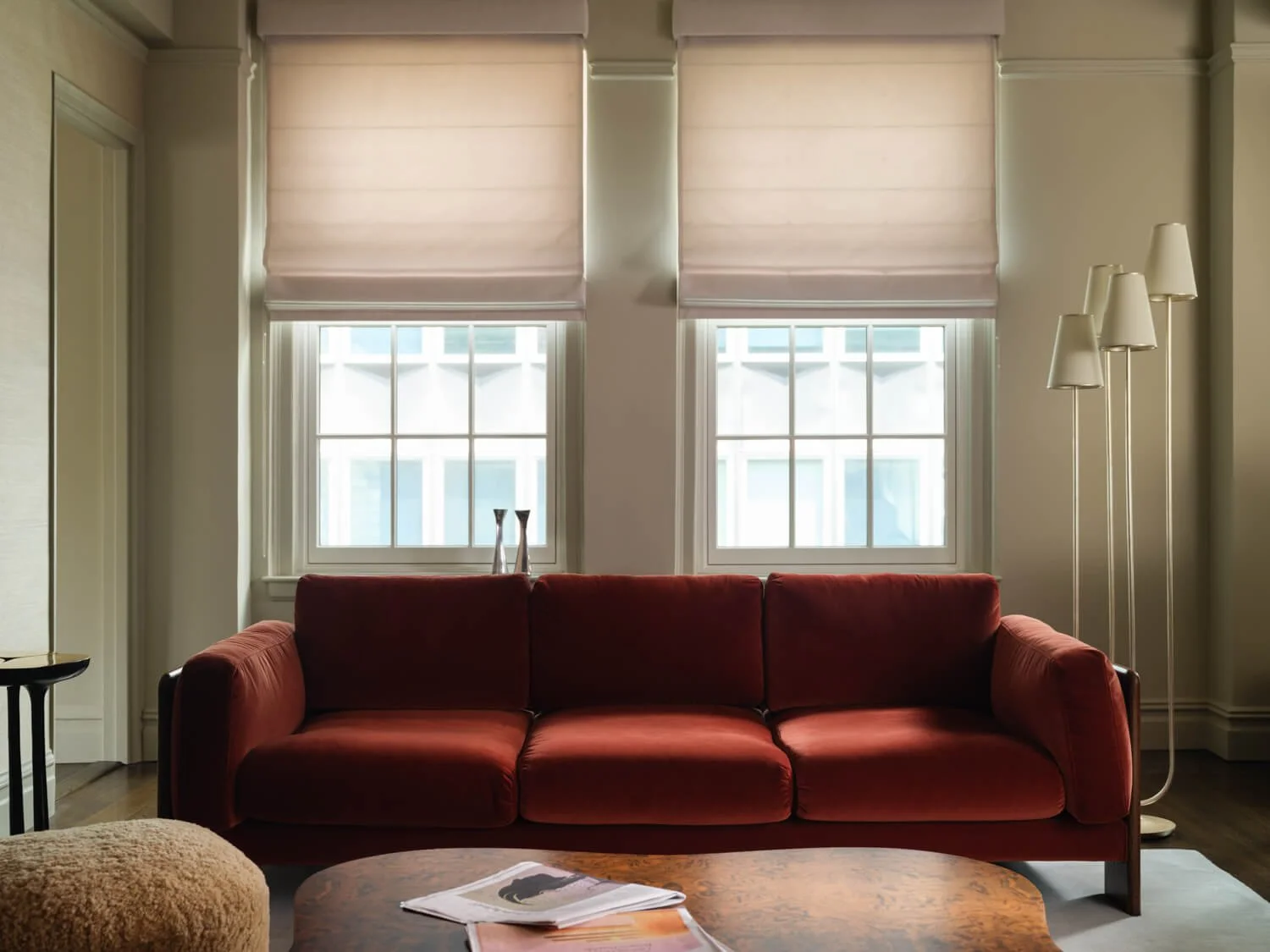
Pre-War, Living Room Renovation
Design & Build by Mammoth
Photography by Joe Kramm
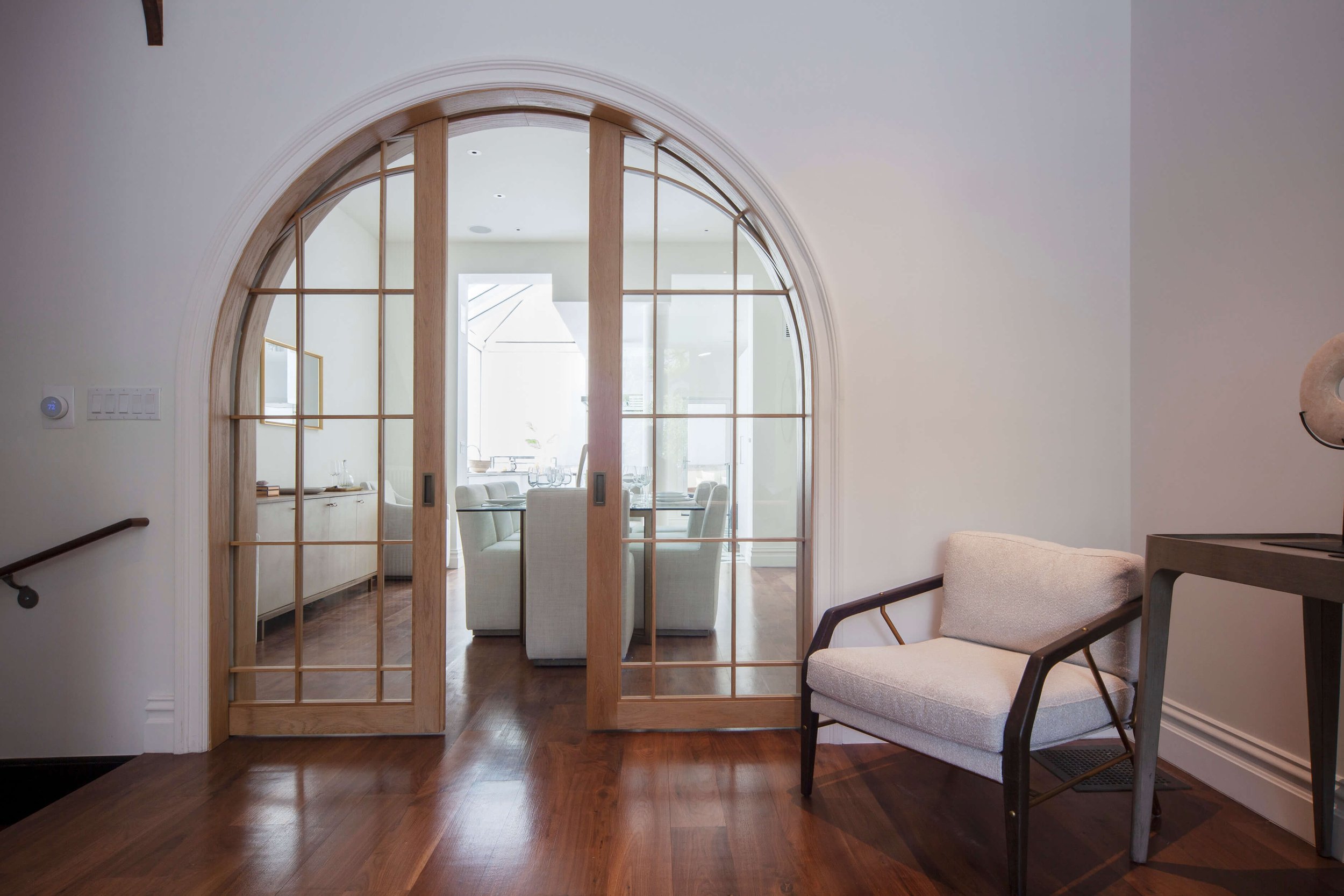
Upper East Side Renovation
Design & Build by Mammoth
Photography by Joe Kramm
Neighborhoods to Know
In New York, there are a few neighborhoods where you’ll find the highest concentration of Pre-War Apartments. And as curious as it might seem, each one of them has its own personality; so the neighborhood you choose is just as important as the apartment itself.
Upper West Side and Upper East Side
These are the neighborhoods most people picture when they think of classic New York living. On the Upper West Side, streets around Broadway, West End Avenue, and Riverside Drive are lined with some of the city’s most recognizable pre-war buildings, including the legendary the Dakota. Across town, Park Avenue, Fifth Avenue, and Madison Avenue offer the same sense of grandeur, often with stunning views of Central Park.
Many of these buildings, such as those designed by Rosario Candela, feature impressive lobbies, full-time staff, and layouts that reflect another era, because they were in fact designed at a time when daily life looked very different. And that history remains to this day. Unsurprisingly, they remain among the most sought-after addresses in the city.
Brooklyn Heights and Park Slope
For buyers who love pre-war architecture but are looking beyond Manhattan, Brooklyn Heights and Park Slope are often the first places to consider.
Brooklyn Heights is known for its beautiful brownstones and low-rise buildings, many of which have been carefully preserved over the years. Park Slope offers a similar charm, with limestone facades, tree-lined streets, and apartments that tend to appeal to families looking for a little more space.
Harlem and Hamilton Heights
One of the things that surprises many buyers is how much pre-war architecture can be found in Harlem and Hamilton Heights. Areas such as Sugar Hill and Strivers’ Row are filled with buildings that showcase the same craftsmanship seen in more expensive parts of Manhattan.
For those willing to look north, these neighborhoods can offer exceptional value without sacrificing architectural character.
Washington Heights and Inwood
Washington Heights and Inwood are frequently overlooked, which is part of their appeal. Apartments here are often larger than what the same budget would buy farther south, and the neighborhood still has a substantial inventory of well-preserved pre-war buildings.
For buyers who have been searching on the Upper West Side and finding prices out of reach, these areas are often worth exploring.
Astoria and Jackson Heights
Queens also deserve a place in the conversation. Jackson Heights, in particular, stands out for its collection of garden apartment buildings from the 1920s and 1930s, many of which continue to operate as cooperatives today.
Astoria has its own mix of pre-war housing and neighborhood charm. While it may not be the first place people associate with historic apartments, it offers options that are often overlooked by buyers focused solely on Manhattan or brownstone Brooklyn.
Pre-War vs. Post-War: What's the Trade-Off?
Pre-war apartments are always a great choice for some buyers and renters, not because they are objectively better, but because of the unique possibilities they offer compared to modern buildings. Post-War has outstanding characteristics as well. The right choice often comes down to what you value most in a home:
One of the reasons buyers continue to gravitate toward pre-war apartments is the sense of history they offer. The rooms tend to be more generously proportioned, ceilings are often higher, and the construction itself provides a level of quiet that can be difficult to find in newer buildings. There is a sense of character and permanence to these spaces that is hard to replicate, as we explained before, which is why so many people are willing to take on the responsibilities that often come with owning one.
Post-war apartments were built with a different philosophy in mind. Rather than focusing on architectural details and grand proportions, the emphasis shifted toward practicality. Layouts often make more efficient use of space, closets tend to be larger, and building systems are generally more up-to-date. For many buyers, that translates into fewer concerns about plumbing, electrical work, or major maintenance projects down the line.
They are also more likely to be condominiums rather than co-ops, which can make the buying process considerably more straightforward. For someone who wants to avoid extensive board reviews and additional restrictions, that alone can be a deciding factor.
The Practical Concern:
There is, of course, a practical side to all of this. While pre-war buildings are often admired for the quality of their construction, many of their core systems are decades old. Plumbing, electrical infrastructure, elevators, and building facades eventually require attention, and maintaining them is part of owning in this type of property.
For that reason, it is important to look beyond the apartment itself. Reviewing the building's financial statements, reserve fund, and history of capital improvements can reveal a great deal about how the property has been managed over time. A well-maintained building is usually worth the premium, whereas deferred maintenance can sometimes lead to unexpected assessments and additional costs for shareholders.
The Noise Question
One of the most common assumptions about pre-war apartments is that they are always quieter than newer buildings. In many cases, that is true. Thicker walls and more substantial construction can make a noticeable difference in everyday life. However, noise is one of those things that depends heavily on the specific building—and even the specific unit.
An apartment located above a busy lobby or near an elevator may have a very different feel from a middle-floor residence in a well-maintained building. The same is true of neighbors. A unit beneath someone with hardwood floors and no rugs is likely to have a different sound experience than one surrounded by long-term residents who are mindful of noise.
As with most things in real estate, broad generalizations only go so far. The building matters, but so does the location of the apartment within it.
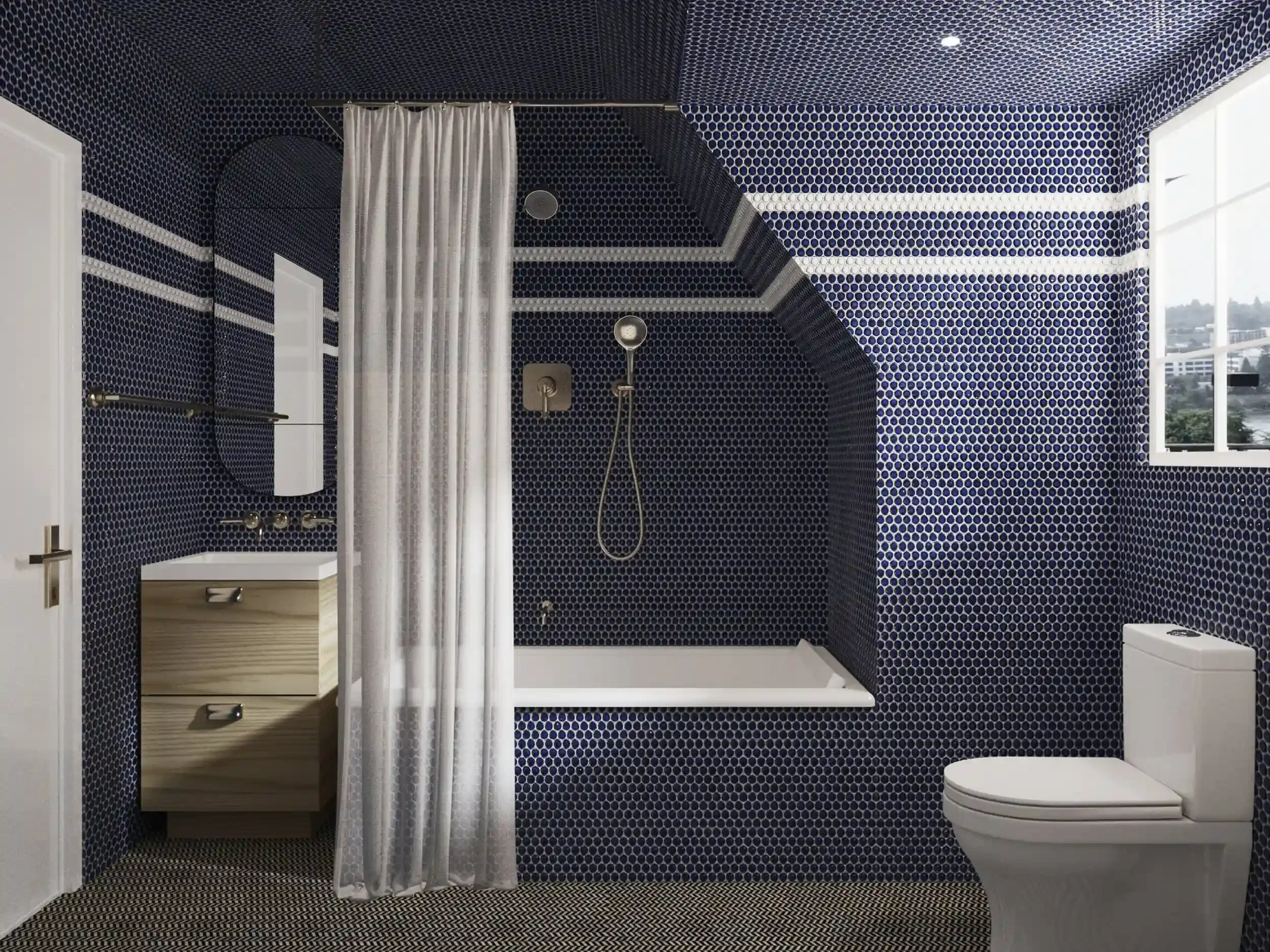
Pre-War, Bathroom Renovation
Design-Build Renovation by Mammoth
Photography by Joe Kramm
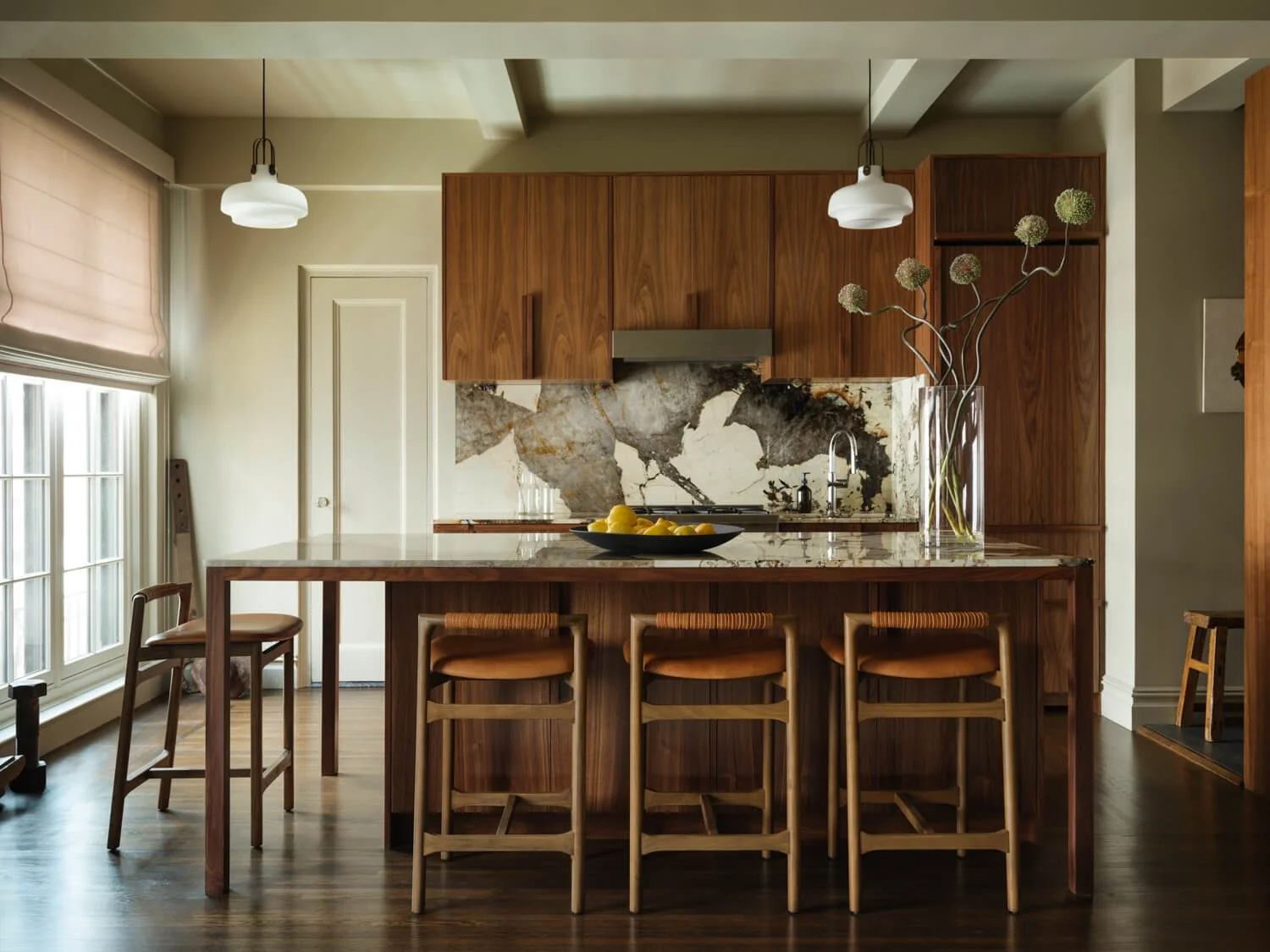
Park Ave, Manhattan Renovation
Design-Build Renovation by Mammoth
Photography by Joe Kramm
What to Consider Before Buying or Renting
For Buyers
One thing buyers sometimes overlook is that purchasing in a co-op means buying into the building itself, not just the apartment. For that reason, it is worth spending some time reviewing the financial statements and any available recent board minutes.
Another factor to consider when evaluating the building’s finances is that some older co-ops have an underlying mortgage. This is relatively common, but still, it can affect monthly costs and is worth understanding as part of the broader financial picture.
It is also a good idea to review the building’s track record for maintenance and capital improvements. Roof work, facade repairs, and elevator upgrades are part of the reality of owning in an older building. It’s advisable to note whether the building has remained proactive about its maintenance. Clearly, for structures like this, there might always be something that needs improvement or work to be done, but having an existing record of past work is valuable.
Subletting policies deserve attention as well. Some co-ops are relatively flexible, while others place significant restrictions on rentals. If your plans could change in the future, this may matter more than you think.
A home inspector with experience in pre-war buildings can be notably valuable. The issues tend to differ from those in newer construction, and details such as original windows, older radiators, or aging plumbing systems require a different perspective.
For Renters
Before signing a lease, is important to ask how the heating system performs during the winter. Steam heat is common in pre-war buildings, and experiences can vary considerably from one apartment to another. If possible, speaking with a current tenant can tell you more than any listing ever will.
Original windows can be among the most beautiful features a pre-war apartment can offer, but their condition can also affect comfort during colder months.
If the building has an elevator, asking residents about its reliability can give you a clearer sense of whether it is an older system that needs technical repairs or if wait times are longer than expected.
Final Thoughts
Pre-war apartments reward buyers and renters who value character, quality of construction, and a sense that they're living somewhere with a history. They're not maintenance-free, and they're not always efficient by modern standards. But for the right person, there's nothing else quite like them in New York — the ceilings, the light, the silence, the way a room actually feels like a room. If you're searching the NYC market and a pre-war listing catches your eye, trust your instincts. Just do your homework before you fall in love with a co-op's financials as much as its crown molding.
FAQs
What exactly is a pre-war apartment in NYC?
It refers to any residential building constructed before World War II — generally before 1940. But more than a date, it describes a standard of construction: thick masonry walls, high ceilings, hardwood floors, and architectural details that were built into these buildings as a matter of course, not as a selling point.
Are pre-war apartments a good investment?
For the right buyer, yes. They tend to hold their value well, particularly in established neighborhoods like the Upper West Side or the Upper East Side. That said, the building's financial health matters as much as the apartment itself. A beautiful unit in a poorly managed co-op is a proposition entirely different.
Why are so many pre-war buildings co-ops?
It was simply the dominant ownership structure in New York City for much of the twentieth century. Most of the grand apartment buildings along Park Avenue, Fifth Avenue, and Central Park West were built that way, and they have remained that way ever since.
Are pre-war apartments really quieter?
Often, yes — the thick masonry walls make a noticeable difference. But it depends on the building and where the apartment sits within it. A unit above a busy lobby tells a different story than one on a high floor surrounded by long-term neighbors.
What should I look for before buying?
Start with the building's financials — reserve fund, maintenance history, and any pending assessments. Then look at the systems: plumbing, electrical, elevator, facade. A well-maintained building with a strong reserve fund is worth considerably more than one that has been deferring work for years. The apartment is only part of the picture.
Do pre-war apartments need extensive renovation?
Not necessarily. Many have been updated over the decades and live very comfortably. The bones — floors, walls, ceilings, windows — tend to age remarkably well. Kitchens and bathrooms are usually where the most attention is needed, and even there, the quality of what surrounds them makes the work feel worthwhile.
