
Understanding the Design-Build Process
The Design-Build Process, Phase by Phase
Pre-construction
Design phase
Procurement
Construction phase
Post-construction / Project closeout
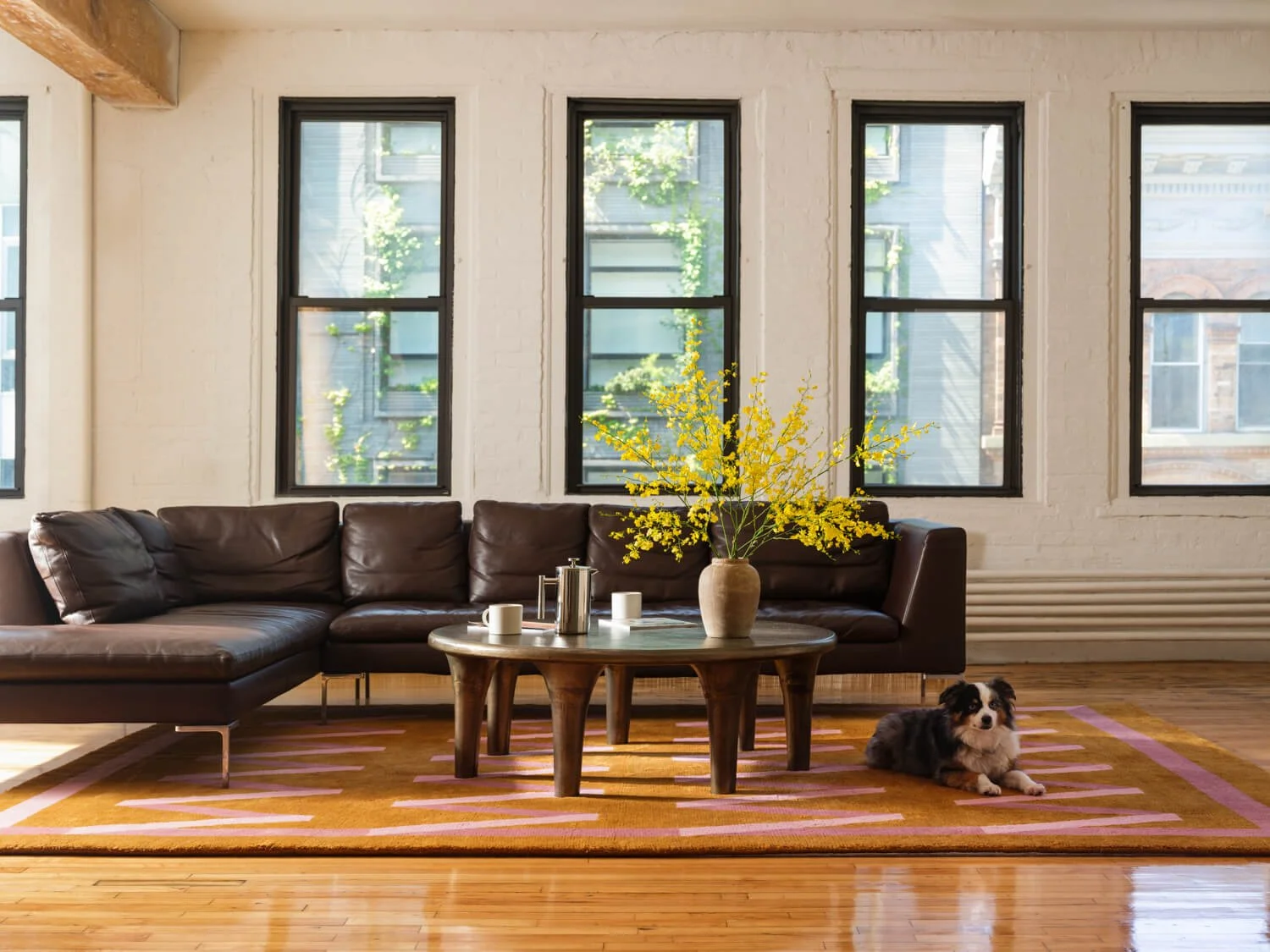
Office Renovation
Design-Build Renovation by Mammoth
Photography by Joe Kramm
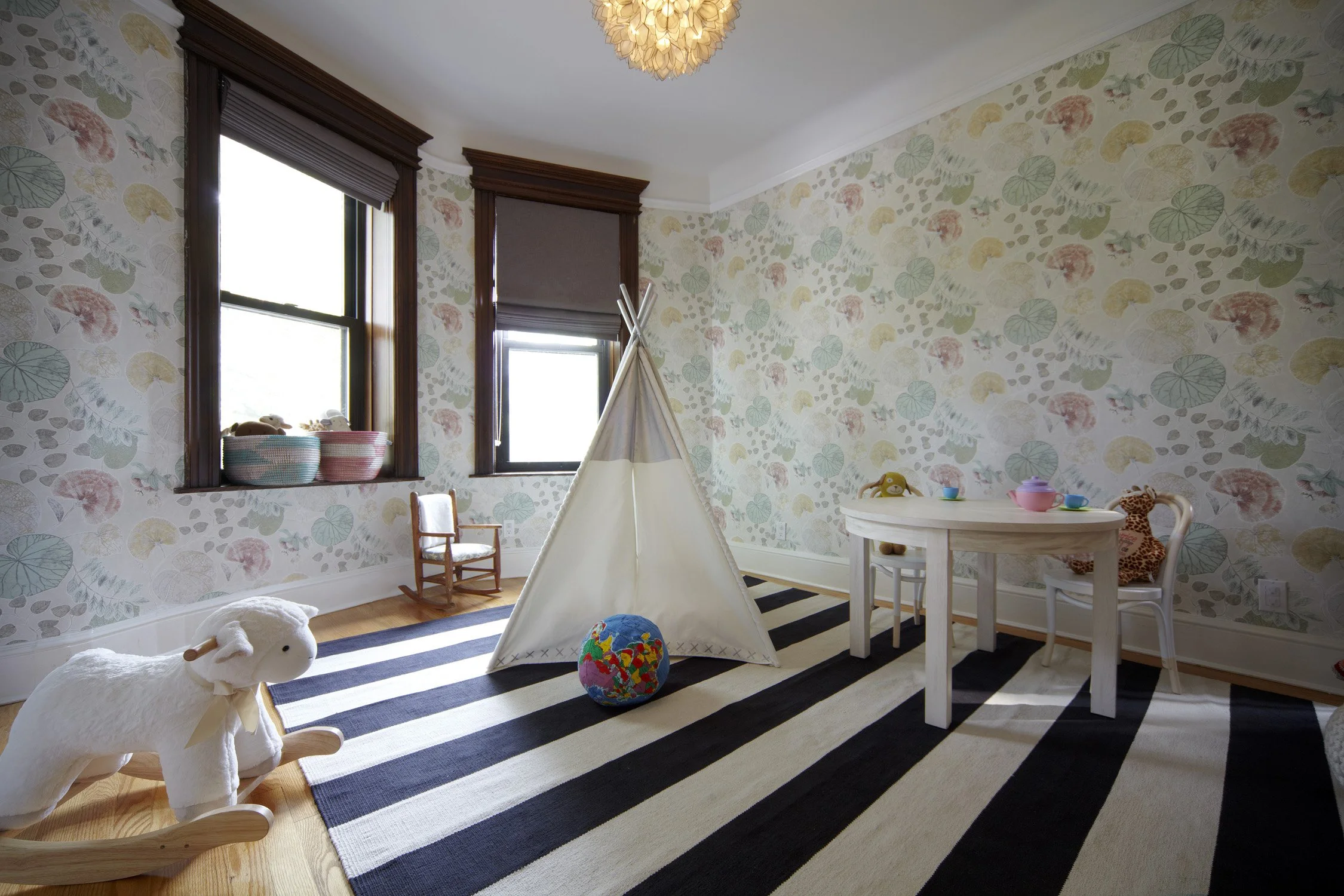
Brooklyn Brownstone Renovation
Design-Build Renovation by Mammoth
Photography by Joe Kramm
Understanding the Design-Build Process
A delivery method can make or break the timeline of a construction project, especially when using a traditional approach. But there are other ways to manage a construction process. Among the alternative project delivery methods available today, the design-build process has become one of the most popular — and for good reason. It has one team of experts leading the project, which simplifies communication, tightens accountability, and, in many cases, gets projects done faster than traditional methods.
This article explains what the design-build process actually looks like, how it compares to other project delivery methods, and why so many project owners are making the switch.
Project Delivery Methods: A Quick Comparison
Before we get into the specifics of design-build, it's worth stepping back and looking at the bigger picture — because "design-build" is really just one option in a whole menu of ways to deliver a construction project, and understanding the alternatives is what makes design-build's advantages click.
Start with design-bid-build (DBB), the old standby. It's exactly what it sounds like: the owner hires an architect to complete the design phase first, then shops the finished plans around for competitive bids. Whichever general contractor wins the bid finally breaks ground. Sounds straightforward enough — except design and construction end up living in two completely separate contracts, run by two completely separate teams, who often show up with two completely different sets of priorities.
Construction management (CM) tries to close that gap a little. A construction manager gets pulled in early, offering input on cost estimates and scheduling before the project's fully baked. It's a step in the right direction, but design and construction are still, for the most part, handled by separate parties answering to separate contracts.
Then there's integrated project delivery (IPD), which takes the idea of collaboration and pushes it to the next level. The owner, architect, and contractor sign a single shared agreement from day one. People tend to like IPD for its transparency — but that transparency comes at a price: everyone involved has to buy into a much higher level of trust and shared risk than most projects are used to.
Design-build lands somewhere in the middle, and that's really its strength. Instead of splitting design and construction into separate contracts and teams, the whole project sits under one contract with one design-build contractor — or at least one entity that brings both design and construction expertise under the same roof. That's the whole idea: a single team, a single point of accountability, from the first sketch to the final walkthrough.
What Makes Design-Build Different
If there's one thing that sets design-build apart from everything else, it's this: you get a single point of contact. No more juggling a design contract on one side and a construction contract on the other — and no more getting stuck in the middle refereeing whenever the two don't see eye to eye. One contractor owns the project from start to finish. So when something inevitably goes sideways, there's no back-and-forth between the architect and the general contractor about whose fault it is. It's one team's problem, and that team fixes it.
That shift sounds small, but it changes almost everything downstream — right down to how team selection works and how change orders get handled.
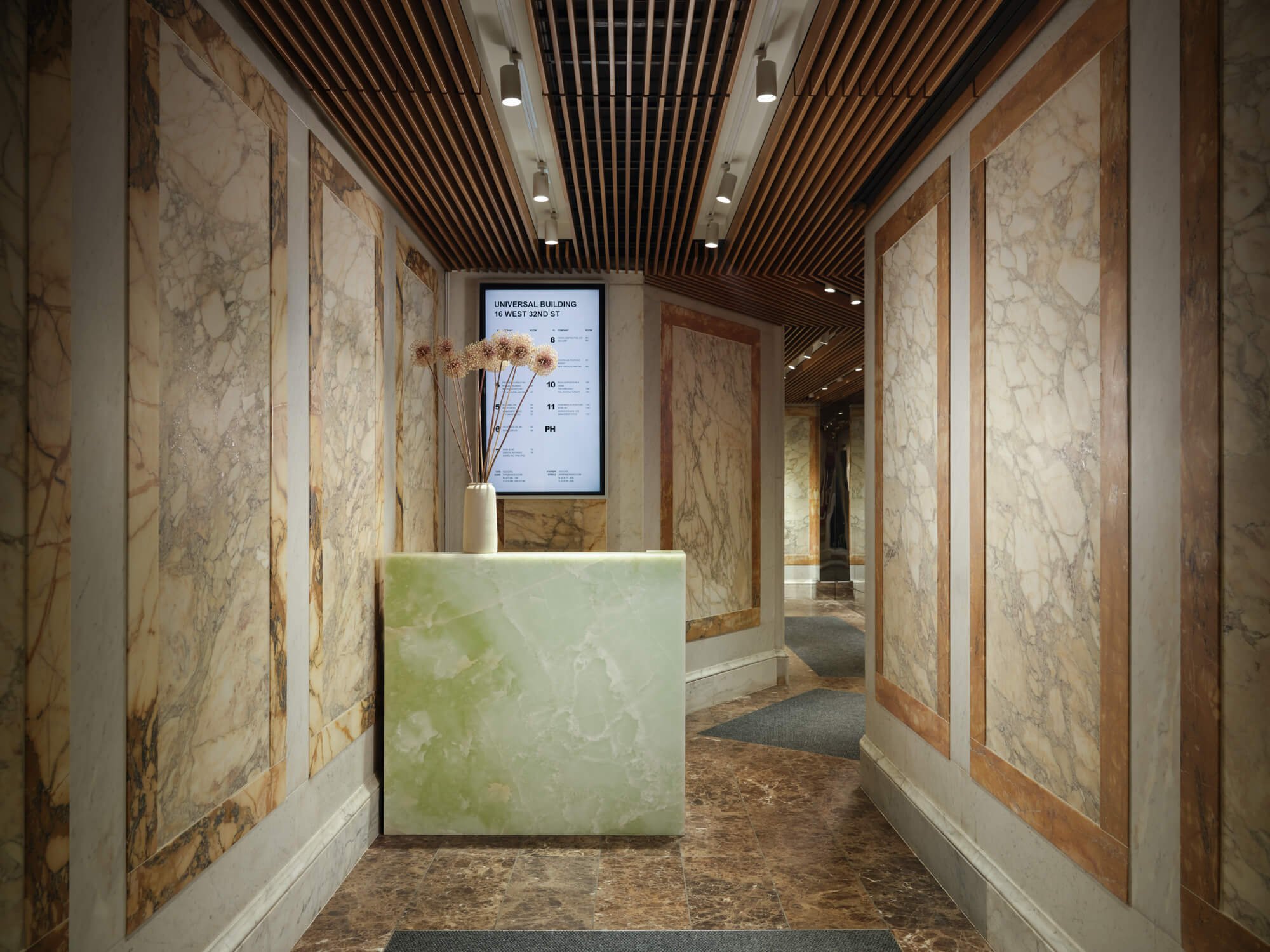
Lobby, Onyx Renovation
Design-Build Renovation by Mammoth
Photography by Joe Kramm
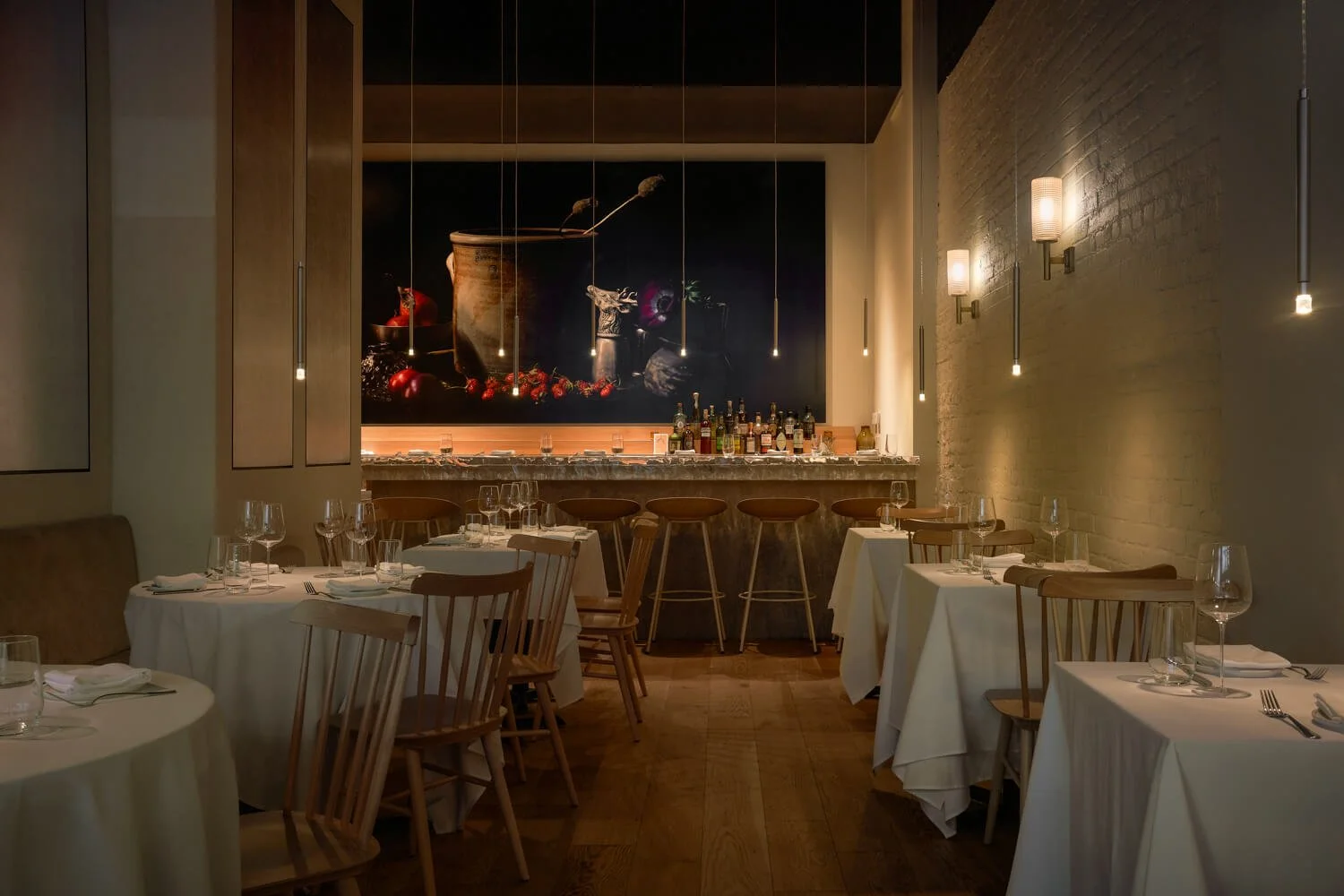
Restaurant, Dining Room Renovation
Design-Build Renovation by Mammoth
Photography by Joe Kramm
The Design-Build Process, Phase by Phase
Pre-Construction
Every project’s story starts here. This is where the design-build team sits down with the project owner to nail down the scope, develop a realistic project budget, and begin working through zoning and permitting. Team selection happens in this window too — and it doesn’t usually come down to who bid the lowest. Owners tend to pick a design-build contractor based on qualifications, track record, and preliminary cost estimates instead.
And because design and construction expertise are already in the same room from day one, zoning or permitting headaches tend to get caught early — long before they turn into expensive surprises further down the project lifecycle.
Design Phase
With the team in place, the design phase kicks off. Architectural design gets built around constructability from the start, which makes sense — the people drawing the plans are the same people who’ll be building them. This is really where value engineering earns its keep. Instead of an architect designing in a vacuum and a contractor later realizing it’s a nightmare (and expensive) to build, the design-build team is constantly weighing materials, systems, and methods to find the best balance of cost, quality, and performance.
That back-and-forth is one of the biggest reasons design-build construction saves money. The problems that would normally surface during competitive bidding — and force a costly redesign — get caught and solved while the design is still just lines on paper.
Procurement
Once the design is dialed in and cost estimates are solid, the design-build contractor moves into procurement — lining up subcontractors and materials. There’s no bidding war here between a newly hired general contractor and the original design team, so things move faster. Subcontractors come on board because of proven performance and existing relationships, not because they scraped in with the lowest bid.
Construction Phase
This is where it all becomes real. Because one entity has carried the project from pre-construction through design, there’s no handoff, no gap, no new team relearning the project from scratch — construction management just continues.
Change orders still show up, sure — they show up in every delivery method. But in design-build, they tend to be fewer and far less disruptive. When the design and construction teams have been aligned from the start, there’s just less friction between what’s on the drawing and what actually gets built.
Post-Construction and Project Closeout
Project closeout is the final stretch: inspections, punch lists, warranty paperwork, and walking the owner through their new systems. Because the same team has been driving the entire project lifecycle, closeout tends to go smoothly — there’s no confusion about who owns what’s left to finish, since accountability never passed hands.
Why Owners Choose Design-Build
Ask owners why they went with design-build, and the same handful of reasons keep coming up.
Cost savings, for one. When designers and builders are talking to each other from day one instead of down the line, you catch the expensive stuff — the redesigns, the "wait, we can't actually build it that way" moments — before they blow up the budget.
Then there's reduced risk. One contract, one point of contact means the owner isn't stuck refereeing a fight between the design and construction firms when something goes wrong. There's nowhere for the blame to hide.
Faster delivery is another big one. Design and early construction can actually overlap instead of running one after the other — something that's simply not possible under design-bid-build, where you need a finished design package before construction bidding even opens.
And fewer change orders. When constructability is part of the conversation from the very beginning, you don't run into as many surprises once construction is underway — which is exactly what tends to trigger change orders in the first place.
Put it all together, and it's not hard to see why design-build has caught on. Construction spending in the U.S. still accounts for a massive share of the economy, and owners are naturally drawn to anything that protects their budgets and reduces their risk. That's really the whole story behind design-build's rise — from a niche alternative to a genuinely mainstream choice across commercial, institutional, and even residential projects.
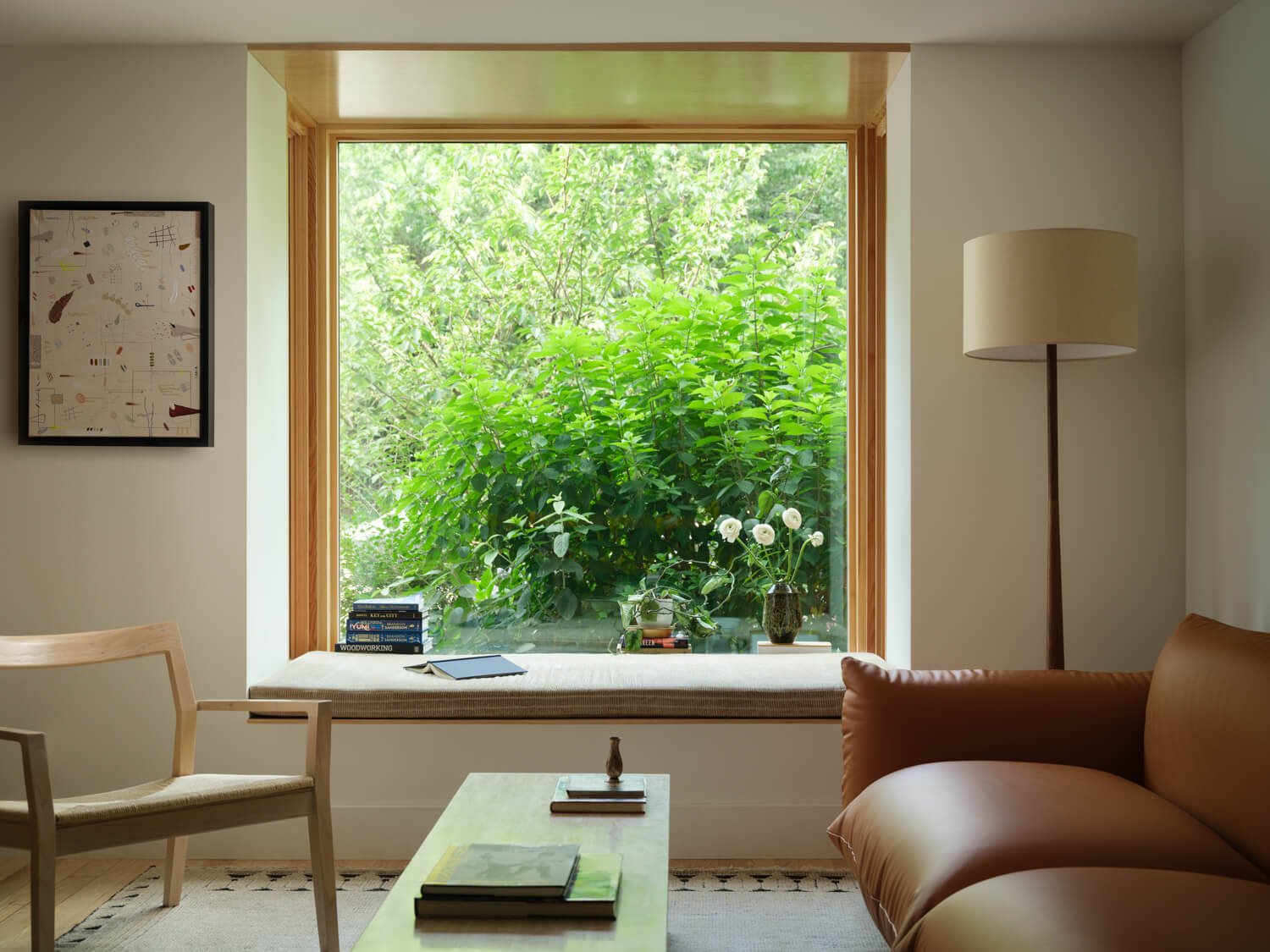
Park Slope Renovation
Design-Build Renovation by Mammoth
Photography by Joe Kramm
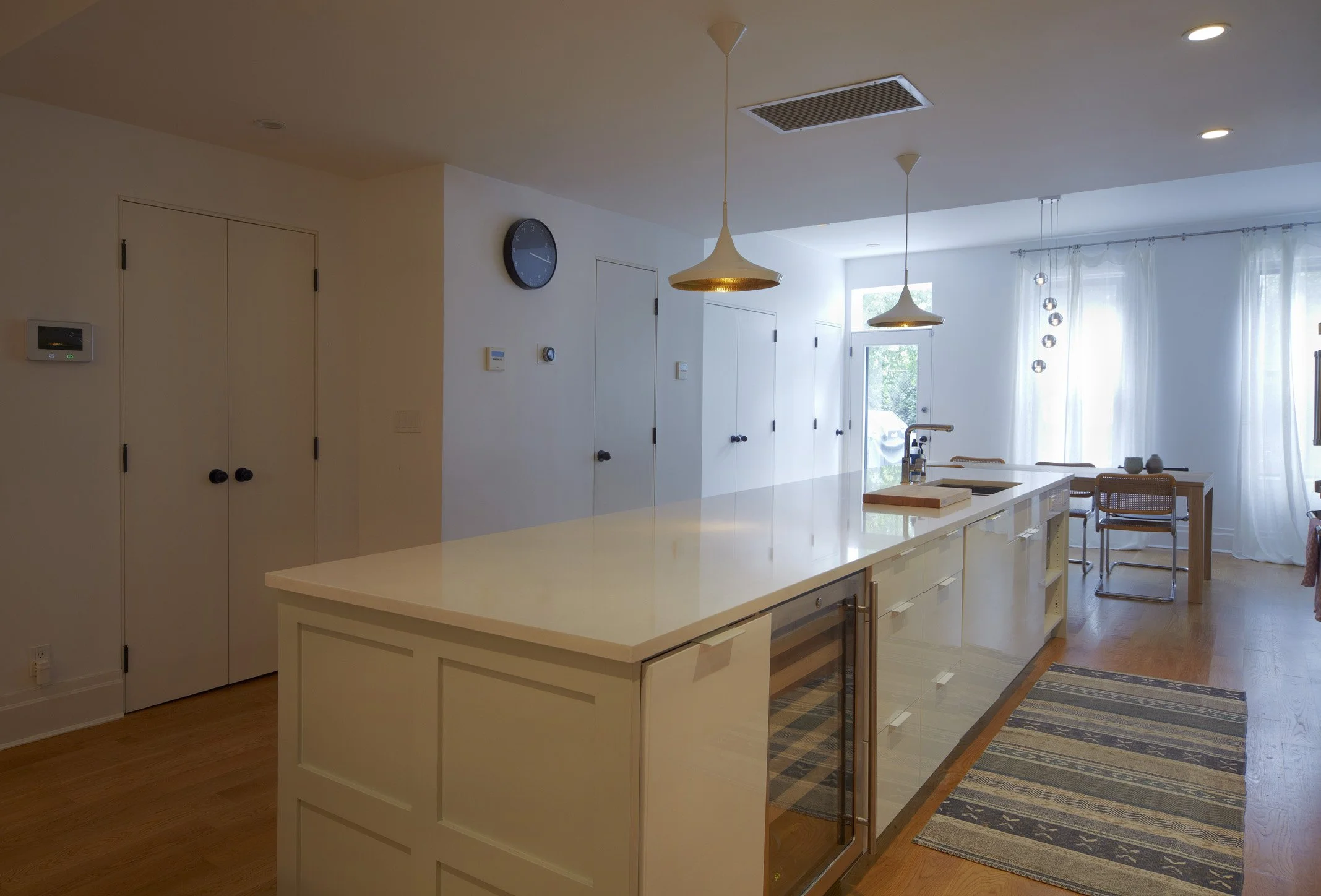
Brooklyn Brownstone Renovation
Design-Build Renovation by Mammoth
Photography by Joe Kramm
Progressive Design-Build: A Flexible Variant
Progressive design-build runs on the same idea, just with more give. Instead of settling on a fixed price before anything's designed, the owner brings a team on board early, choosing them for their qualifications rather than for the lowest quoted price. From there, everyone works through the design and cost estimates together and eventually lands on a guaranteed maximum price once the project actually has some shape. You still get all the upside of working collaboratively — you just get more room to adjust along the way, which matters a lot on projects where nailing down every detail on day one simply isn't in the cards.
The Role of DBIA
A lot of the credit for how consistent design-build has become goes to the Design-Build Institute of America (DBIA). DBIA offers educational resources, certification programs, and contract templates that help owners, architects, and contractors run design-build projects the right way — fairly and consistently. If you're new to design-build, DBIA's resources are a solid place to start figuring out what to expect and how to put together an agreement that actually protects you.
Choosing the Right Delivery Method
There's no one-size-fits-all answer here. Design-bid-build still makes sense for plenty of projects — especially public ones, where competitive bidding is required by law, or cases where the owner wants a fully baked design before ever bringing a contractor into the picture. Integrated project delivery has its place too, particularly on large, complicated projects where the extra contractual complexity is worth it for the level of collaboration you get.
But if what you're after is cost savings, reduced risk, and faster delivery — without giving up quality or accountability along the way — design-build is a hard option to beat.
If you're weighing your options for an upcoming project, it's worth having that conversation with a qualified design-build contractor sooner rather than later. The earlier that single point of contact gets involved, the more value they can bring to your design phase, your budget, and your timeline.
FAQ
How do I know if design-build is right for my project?
If speed, budget certainty, and having one team accountable for everything matter more to an owner than getting a fully finished design before choosing a contractor, design-build is probably worth a serious look. It tends to work especially well for owners who don't want to manage multiple contracts themselves or who need to move quickly without sacrificing quality. The best way to know for sure, though, is for owners to talk it through with a design-build contractor early — they can tell them pretty fast whether their project's a good fit.
What's the difference between design-build and design-bid-build?
With design-bid-build, design and construction are handled by two separate teams — the owner first hires an architect, then puts the finished design out to contractors for bidding. With design-build, the project is under one team from the start, which is why things tend to move faster and with fewer surprises along the way.
Does design-build cost more upfront?
Not really. Owners sometimes assume bundling everything into one contract means paying a premium, but it's usually the opposite. Because problems get caught early — while the design's still on paper — you avoid a lot of the expensive redesigns and change orders that tend to pile up under other delivery methods.
Who's responsible if something goes wrong on a design-build project?
The design-build contractor is. That's really the whole point of having a single point of contact — there's no separate design firm and construction firm pointing fingers at each other. One team owns the outcome, so accountability never gets lost in the shuffle.
Is design-build only for large commercial projects?
Not anymore. It started out that way, but design-build has spread into institutional and even residential work over the past several years. Any owner who values speed, cost predictability, and a single point of contact can benefit from it, regardless of project size.
What is progressive design-build, and how is it different?
Progressive design-build is a more flexible version of the standard model. Instead of locking in a fixed price right away, the owner and contractor develop the design and cost estimates together over time, eventually landing on a guaranteed maximum price. It's a good fit for projects where the details are still evolving, and a fixed number upfront just isn't realistic.
