
Design-Build Renovation Contractors NYC
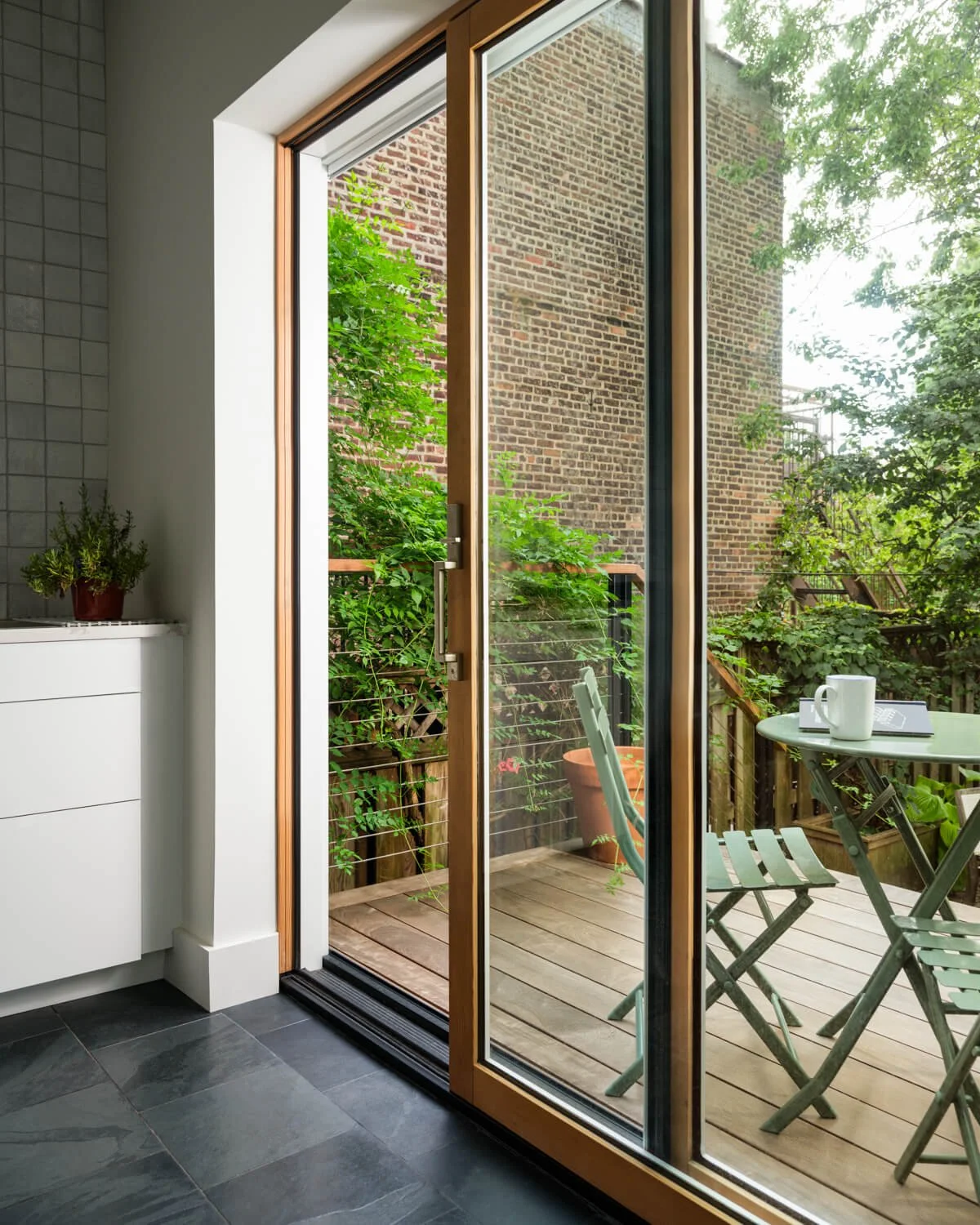
Creation of a Sliding Glass Wall That Opens to a Teak and Steel Deck
Design-Build Renovation by Mammoth
Photography by Joe Kramm

Gut Renovation of a 950 SF Pre-War Apartment, Brooklyn Heights
Design-Build Renovation by Mammoth
Photography by Joe Kramm
Pre-war buildings rarely follow modern logic. Co-op boards have opinions on almost everything. And the Department of Buildings moves at its own pace, regardless of anyone's timeline. Put those three together, and even a simple remodel can stretch into a year-long ordeal with the wrong team behind it. Design-build has caught on here for a reason — not because it's trendy, but because it's often the only way to keep a project from falling apart.
Here's what that actually looks like on the ground.
What a Design-Build Firm Actually Does
The old model includes hiring an architect, waiting months for drawings, then finding a general contractor to bid on building what the architect designed. Two teams, and an owner caught in the middle translating between them whenever something doesn’t line up — which, in an old NYC apartment, it can happen.
A design-build firm collapses all of that into one team. Architectural planning, interior design, and construction all sit under one roof, which matters a lot when you're dealing with a pre-war apartment where nobody's totally sure what's behind a wall until it's opened up. When the people drawing the plans are the same people building them, there's a lot less back-and-forth — and a lot fewer surprises that turn into change orders three weeks into demolition.
Some firms take this even further with in-house architects and engineers on staff, rather than farming that work out to a separate firm. It tends to speed up the whole process, since decisions don't have to bounce between companies that have never worked together before.
Pre-Construction
Every renovation worth doing starts long before anyone picks up a hammer or any other tool. Pre-construction is when architectural planning happens — measuring the existing space, developing floor plans, and determining what's actually possible within the apartment's footprint. In many NYC apartments, especially older ones, this stage reveals more constraints than people expect: load-bearing walls in inconvenient places, plumbing stacks that can't be moved, or windows that dictate where a kitchen can realistically go.
Once the layout starts taking shape, architectural drawings become more detailed, and mood boards come into play to nail down direction — finishes, color palettes, and the overall feel of the space — before anyone commits to specific products. Material selection starts here, too, though it often continues well into construction as budgets and availability shift.
This phase moves more slowly than most owners want it to, but rushing it tends to cost more time later, not less.
Board Approval
If the apartment is in a co-op or condo — which most are in Manhattan — pre-construction also means dealing with the building itself. Board approval usually requires detailed plans, proof of a licensed contractor, and sometimes insurance documentation before work can even be scheduled. Building management typically handles coordinating this with the board.
Then there's the Department of Buildings. DOB filings are required for anything beyond cosmetic work — and for full gut renovations, that's basically everything. A design-build firm with experience navigating this process tends to move faster here, mostly because they've already seen most of the ways a filing can get held up and know how to avoid them.
Demolition and Full Gut Renovations
Once approvals are in place, demolition begins. For full gut renovations — which are common in older buildings where the existing layout just doesn't work anymore — this means stripping the apartment down close to its shell: old flooring out, walls opened up, outdated plumbing and electrical exposed.
This is usually where the real condition of a pre-war apartment reveals itself. Old buildings hide things — plumbing that was never quite up to code, electrical work from decades ago, structural quirks nobody documented. A good design-build team expects this and builds some flexibility into the plan rather than treating every discovery as a crisis.
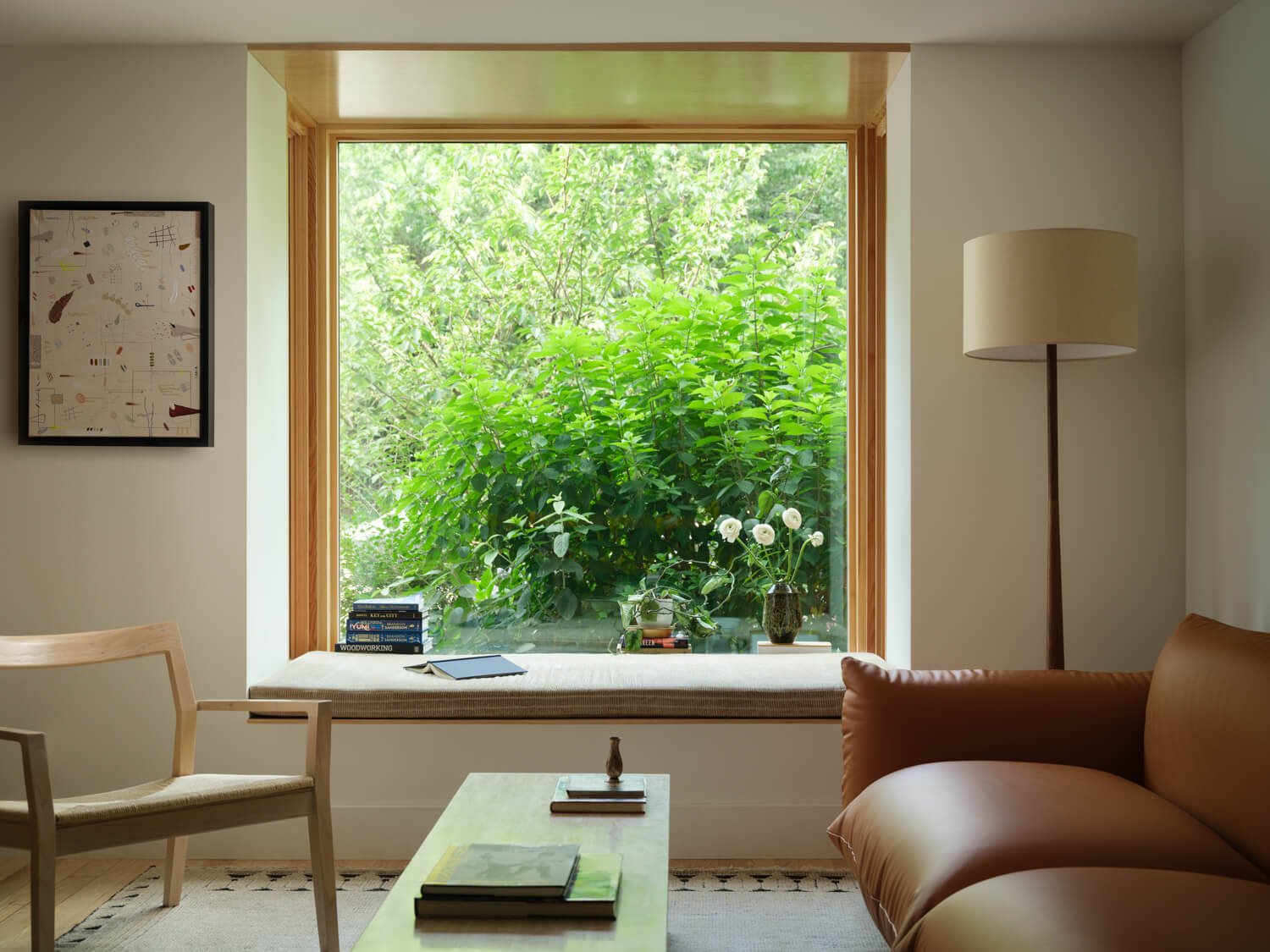
Prospect Park Townhouse: Gut Renovation with Full-Service Furnishing
Design-Build Renovation by Mammoth
Photography by Joe Kramm
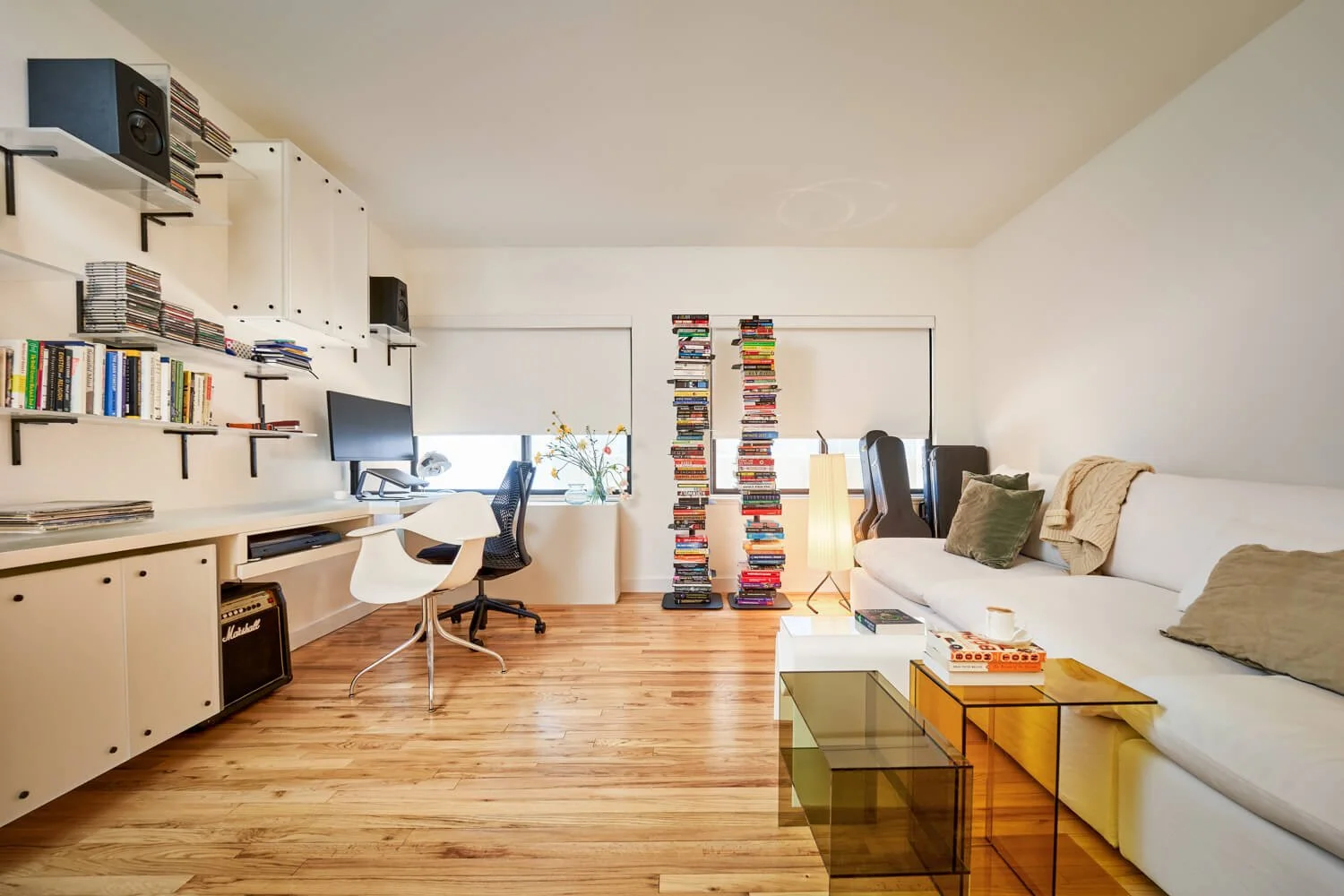
Castiron Building Loft Renovation, New York, NY
Design-Build Renovation by Mammoth
Photography by Joe Kramm
Project Management and Construction Management
From demolition through the rest of construction, project management is what keeps everything moving. Someone needs to coordinate trades, track the schedule, manage the budget, and make quick decisions when something unexpected comes up — because in an old NYC building, something usually does.
Construction management runs alongside this, focusing more on the physical build itself: sequencing work correctly, ensuring trades aren't tripping over each other, and keeping quality control front and center throughout. This is also where engineers get involved for anything structural or mechanical — particularly in gut renovations where plumbing stacks are being relocated, or structural elements are being altered.
Quality control isn't a single step at the end; it should happen constantly, catching small issues before they become expensive ones.
Kitchen and Bathroom Renovations
Kitchens and bathrooms tend to be where the budget — and the detail work — really concentrates. Kitchen remodeling in a NYC apartment usually means working within a tighter footprint than most people are used to, which makes layout decisions and custom millwork especially important. Millwork gets built specifically for the space rather than pulled off a shelf, since standard cabinetry rarely fits the odd angles and dimensions common in older buildings.
Countertops, flooring, and carpentry all come together here, too. Carpentry work in particular — built-ins, custom shelving, trim details — is where much of a renovation's character comes from, more than people usually expect going in.
Bathrooms come with their own set of challenges, and it usually comes down to plumbing. In older buildings, you can't just move a bathroom wherever you want — the existing plumbing stacks tend to have the final say. So plans end up working around what's already there instead of starting from scratch.
Material Procurement
Once selections are locked in, procurement takes over — actually placing the orders for countertops, flooring, fixtures, and the custom millwork the design calls for. Timing here is all over the place. Some things arrive in a couple of weeks. Millwork, more often than not, takes months. That's exactly why the long-lead items get ordered early, well before they're needed on site — nobody wants a finished apartment sitting there waiting on a countertop.
Final Inspections and Handoff
Once construction winds down, final inspections confirm that the work matches what was approved by the DOB and, usually, by the building, too. Whatever's left on the punch list gets handled, and once it's all signed off, the keys go back to the owner.
Closing things out properly is worth taking seriously — more than people usually give it credit for. A permit left open, a filing never quite resolved, tends not to just disappear. It shows up again later: during a sale, a refinance, or the next renovation somebody tries to take on.
Where This Work Happens
Design-build renovation work shows up across New York City in pretty different forms depending on the neighborhood. In Manhattan, that means everything from prewar co-ops on the Upper East Side to sprawling lofts in SoHo and Tribeca, where high ceilings and open floor plans come with their own renovation challenges — often involving significant work to bring older infrastructure up to modern standards while preserving the character that made the space desirable in the first place.
Full apartment renovation projects aren't limited to Manhattan, either. Townhouses come with their own complexity, spanning multiple floors and often requiring more extensive structural and mechanical coordination than a single apartment would. And the demand for this kind of design-build expertise has spread well beyond the five boroughs — plenty of firms based in NYC now take on projects in New Jersey and Westchester as well, where clients want the same level of coordination and quality without necessarily sacrificing space, as city living often requires.
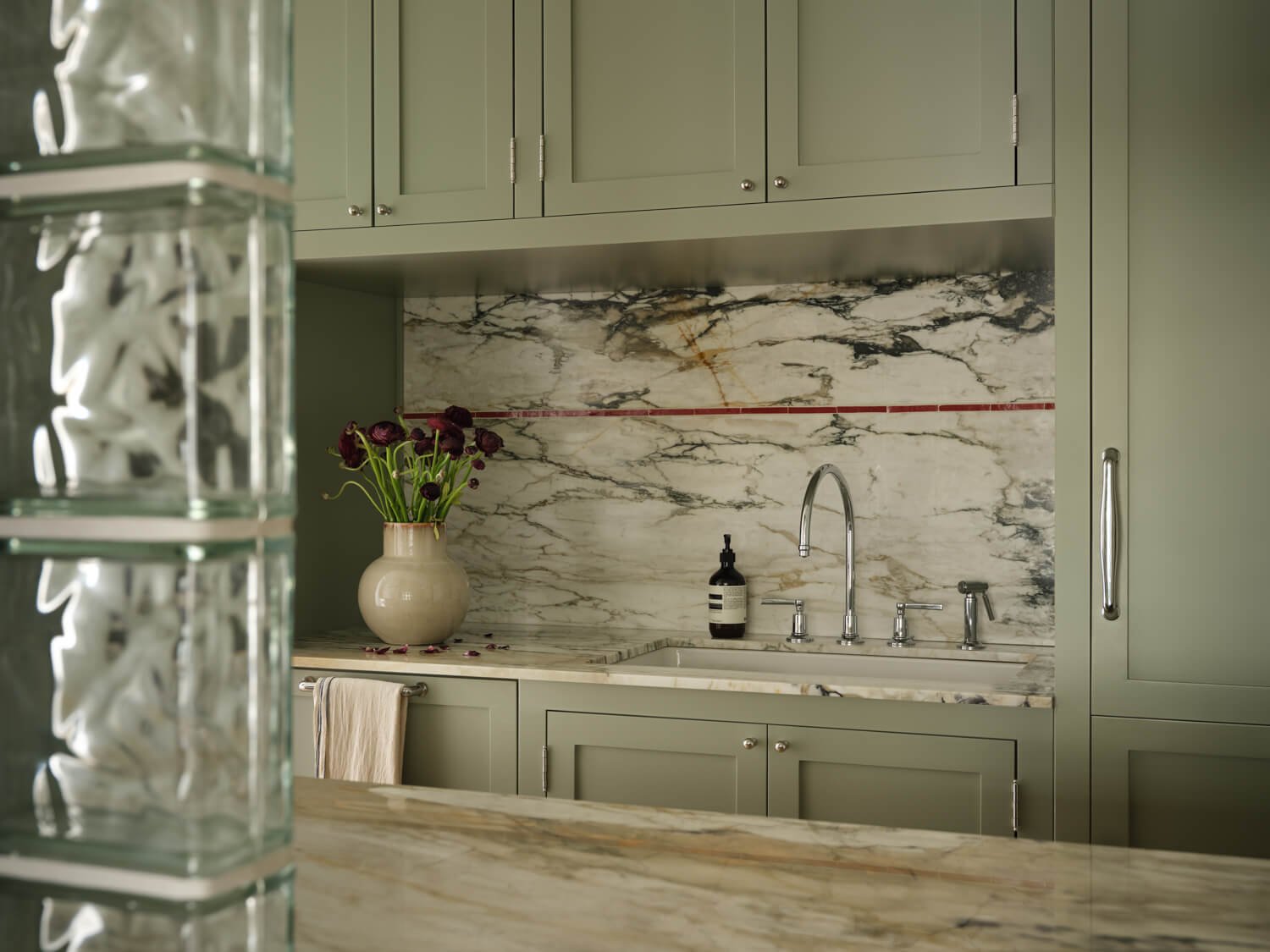
Park Slope Kitchen Renovation with Custom Cabinetry in Vert de Terre
Design-Build Renovation by Mammoth
Photography by Joe Kramm
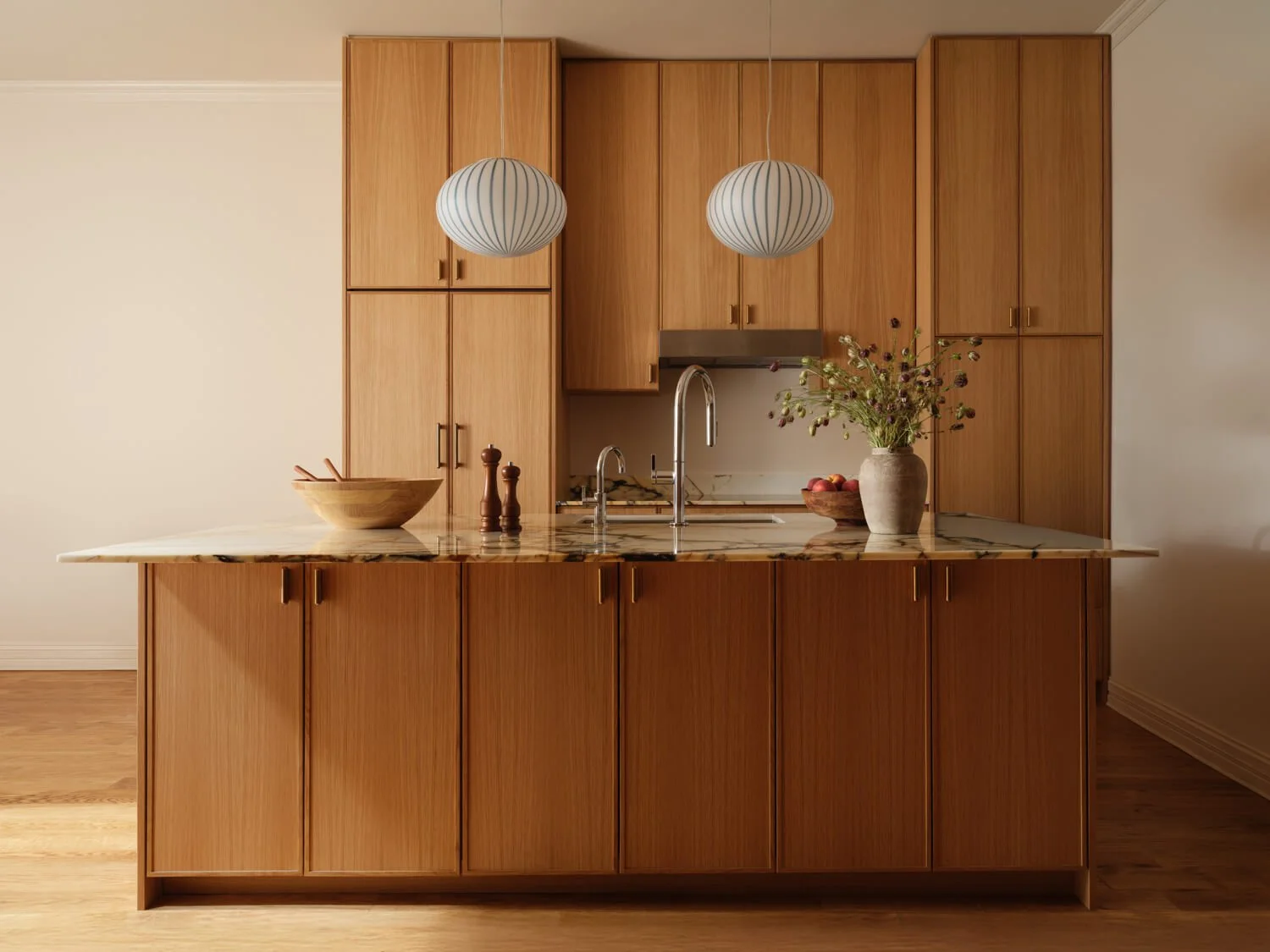
Structural Kitchen Reconfiguration, Floor to Ceiling
Design-Build Renovation by Mammoth
Photography by Joe Kramm
Final Thoughts
Renovating in New York City comes with enough moving parts — board approval, DOB filings, the quirks of a pre-war building — that having one team handle design and construction together tends to make a real difference. Design-build contractors who know this city's buildings, boards, and bureaucracy can turn what would otherwise be a drawn-out, disjointed process into something much more manageable. Not necessarily fast, but manageable — and in a city like this, that's worth a lot.
That is precisely what we do at Mammoth — as a design-build firm, our experts work as a single, coordinated team to bring out the best in every project.
FAQ
What's the real difference between hiring a design-build firm and hiring an architect and contractor separately?
Mostly accountability. With separate contracts, you're the one stuck relaying information between two teams that don't always agree — and mediating when something falls through the cracks. With design-build, one team owns the whole thing, so there's nowhere for a problem to hide.
Do I really need a full gut renovation, or can I get away with something lighter?
Depends on the apartment. Older buildings sometimes force the issue — outdated plumbing or electrical systems that just aren't worth patching around. But plenty of renovations don't need to go that far. A good design-build team should be honest with you about which one your space actually needs, rather than just pushing for the bigger job.
How much does board approval actually slow things down?
More than most people expect going in. Plans, contractor documentation, sometimes insurance paperwork on top of that — getting a board to actually sign off can eat up weeks, and that's before DOB filings even come into play. Plan for that time upfront, and it'll save you a lot of frustration down the road.
Can a design-build firm handle a townhouse the same way it handles an apartment?
The core process is similar, but townhouses usually add complexity — multiple floors, more structural and mechanical coordination, and sometimes even a rooftop or garden level to factor in. It's not so much a different process as a bigger one.
Is it worth hiring an NYC-based design-build firm for a project in New Jersey or Westchester?
Often, yes. A lot of the value in a design-build firm comes from experience — knowing how permitting works, how boards operate, how older buildings tend to behave. That knowledge carries over even outside the five boroughs, especially for firms already used to working across different towns and building types.
