

Gut Renovation on Park Avenue. Design & Build by Mammoth
Photography, Joe Kramm

Cosmetic Renovation in Brooklyn Heights. Design & Build by Mammoth
Photography, Joe Kramm
What Defines a High-End Renovation
A high-end renovation is centered on craft, bringing every detail into high definition. It means choosing materials that age with elegance and details that hold up over time — finishes that are intentional, selected for both their aesthetic and their function, and for the way they live within the space. One kitchen can look expensive while another simply is — and the difference has nothing to do with the price tag. It comes down to the attention given to every detail, the way it occupies the space, and its proportion. A kitchen renovation can mean something entirely else depending on the way it functions over time; a high-standard home office is no exception — aesthetics and functionality have to speak the same language, built entirely around the person who works there every day. This level of intention behind every space is one of the most compelling aspects of a high-end NYC apartment renovation.
Built-in cabinetry, custom shelving, wall paneling, and architectural trim are the elements that give a space its character and personality. They communicate that the space was designed for a specific person and reflects their own sensibility—much like a piece of high fashion—it doesn't look like it was simply assembled to appear luxurious. Custom millwork is one of the most reliable markers of a high-end renovation.
The design team plays a critical role in any interior design project, but especially at the high end. This kind of work needs to be guided from the very beginning by professionals who understand both the aesthetic and technical demands at every level, and who are capable of steering the process to protect the creative vision while navigating the realities of construction.
It's worth understanding the difference between a high-end renovation, a luxury renovation, and a cosmetic one. A cosmetic renovation refreshes the surface: new paint, new fixtures, updated finishes. A high-end renovation goes further — it touches layout, materials, and custom work, and requires a team with a deeper level of expertise. A luxury renovation, at its best, is not defined by excess but by intention. It's a space that works exactly the way it should and feels like it was conceived for a specific person or family, down to the last detail.
The NY Factor
Many of the buildings that give the city its character are protected in some way. Whether it's a prewar co-op on the Upper East Side or a brownstone in Brooklyn Heights, there are often regulations governing what can be changed and how those changes must be carried out. It's easy to look at landmark regulations and assume they're getting in the way. In reality, they're often protecting the very features that made the property special in the first place. The goal isn't to strip away what makes the home unique — it's to make the space work better for how people live today, while keeping the details that give it character.
What catches many homeowners off guard is how much of the renovation happens before construction even starts. Board approvals, permits, filings, and compliance requirements matter just as much as the design itself. We've seen projects move forward with relatively few issues because everything was organized and submitted correctly from the beginning. We've also seen renovations delayed for weeks over details that could have been addressed up front.
Two of the most common challenges that administrative regulations pose to design are the restoration of historic details and the modernization of climate control systems.
The Art of Historic Restoration
When dealing with landmarked buildings or historic prewar co-ops, high-end design isn't just about gutting a space to make it look brand new — it's about honoring the home's lineage. The Landmarks Preservation Commission often requires that structural or visible repairs be "in-kind," meaning any restoration must match the exact original materials, dimensions, and profiles. In a luxury renovation, this requirement becomes an opportunity for greater creativity and craftsmanship: hiring specialized artisans to meticulously replicate century-old plaster crown moldings, restore original hand-carved woodwork, or source period-correct salvaged oak for herringbone floors.
The Central Air Dilemma
The single most requested upgrade in luxury NYC renovations is central air conditioning — and in a landmarked building, it is also one of the most complex engineering puzzles. You cannot simply punch a hole in a historic masonry facade for a vent. The LPC requires that all condensing units and refrigerant lines remain entirely invisible from the street. Building boards impose electrical capacity caps, structural load limits, and acoustic restrictions. And prewar apartments simply lack the ceiling plenums or wall cavities found in modern high-rises.
An experienced design and construction team must account for all of this while preserving the home's personality — mapping out slim-duct VRF systems, hiding equipment inside custom millwork or strategically placed dropped ceilings over hallways or closets, and keeping those beautifully restored historic ceiling heights intact in the main living spaces.
Budget and Cost Expectations
Understanding the financial landscape is an important part of any renovation process, but for a high-end project in New York, we need to move past assumptions rooted in standard real estate. The budget is not just a number — it's a reflection of the logistical and physical craftsmanship required to build.
A high-end apartment renovation in the city can run from $550 to $700 per square foot, up to $1,000 or more for ultra-luxury full gut renovations. These figures reflect complete gut renovations, layout reconfigurations, structural alterations requiring Department of Buildings filings, and the implementation of complex mechanical systems.
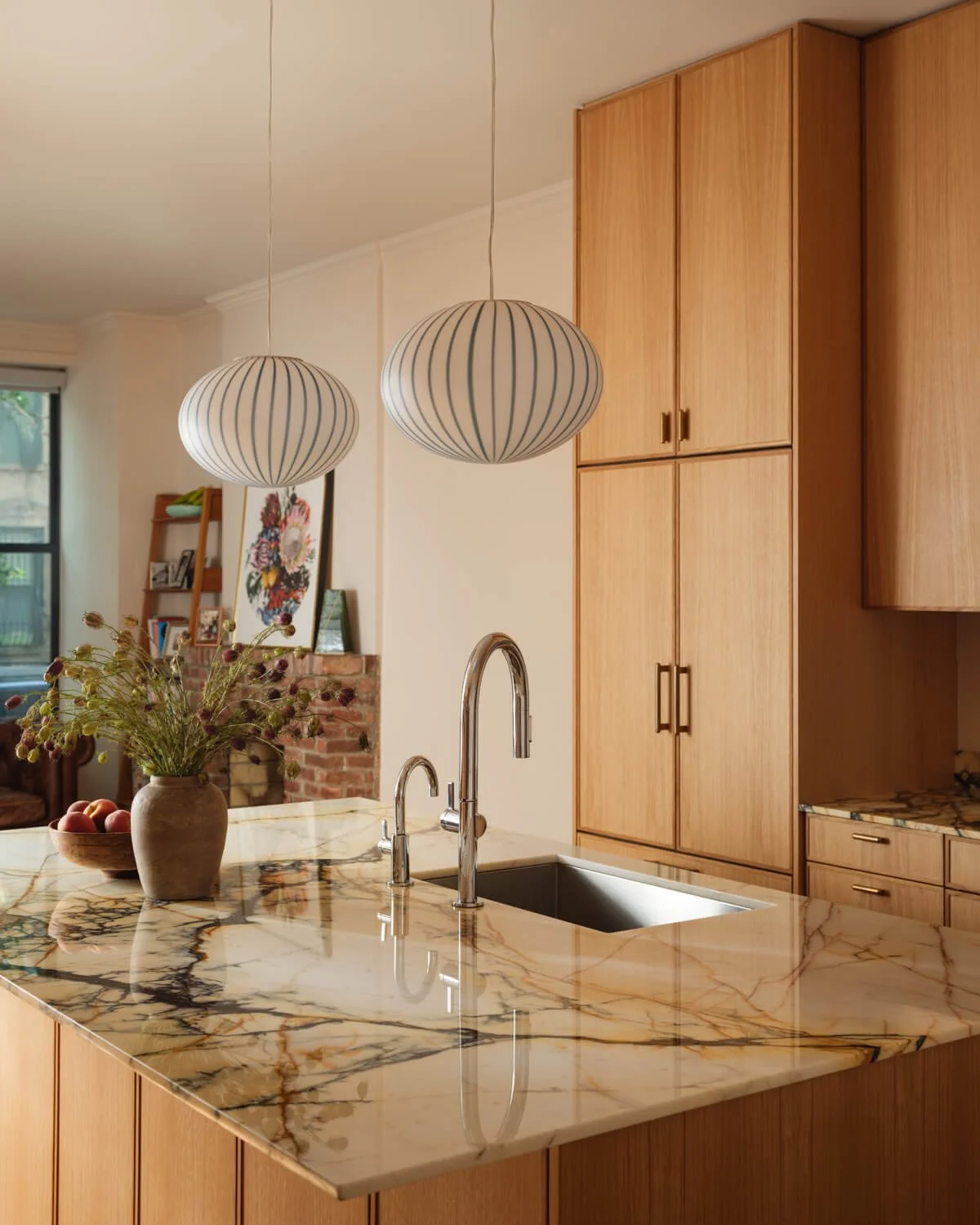
Cosmetic Renovation in Park Slope. Design & Build by Mammoth
Photography, Joe Kramm
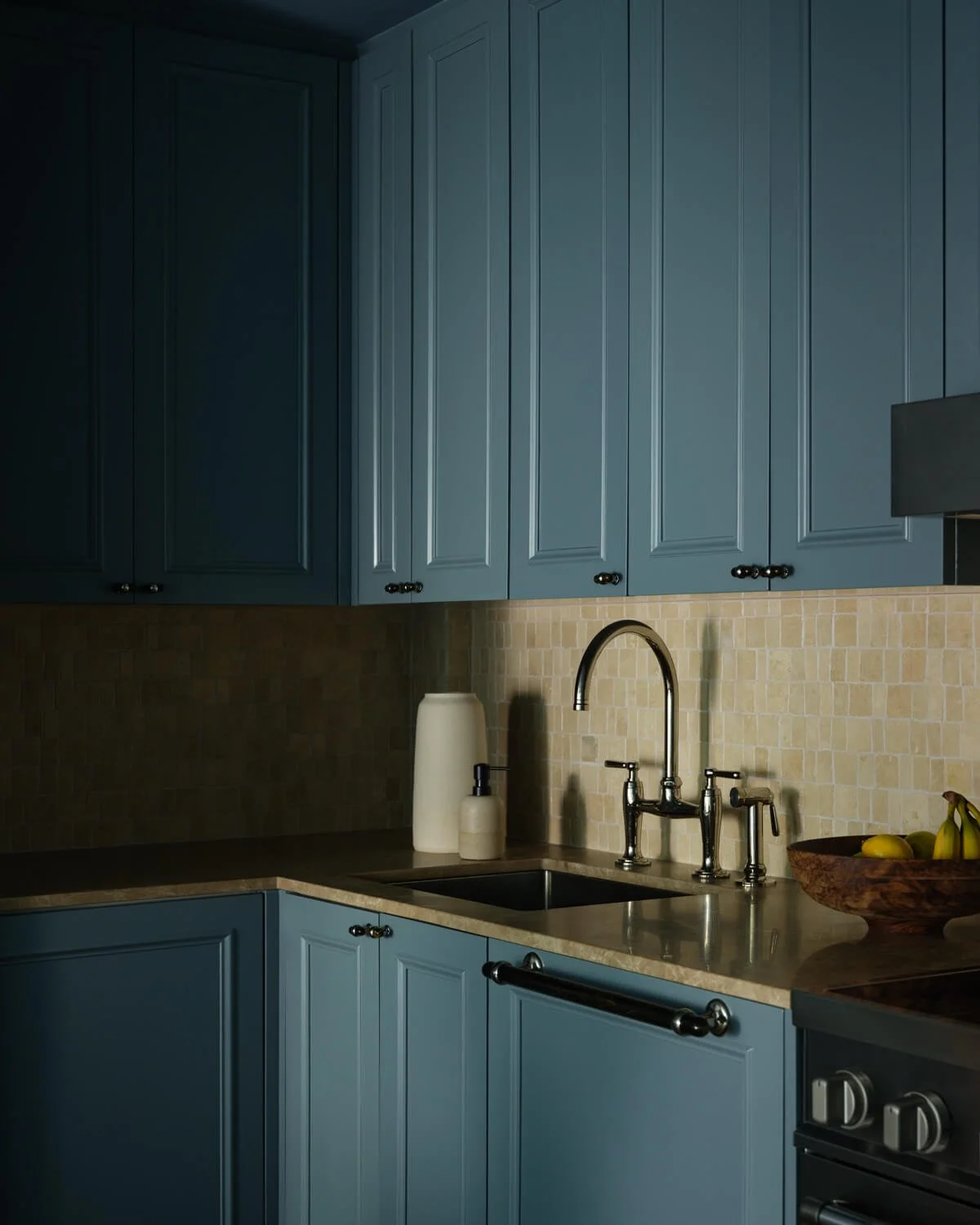
Cosmetic Renovation in Brooklyn Heights. Design & Build by Mammoth
Photography, Joe Kramm
Where the Money Goes: Understanding the 70/30 Rule
Many homeowners assume most of their renovation budget will go toward visible materials — marble countertops, custom cabinetry, premium finishes. In New York luxury renovations, the reality is often quite different. Roughly 70% of the budget is allocated to labor: the work of highly skilled professionals such as electricians, plumbers, carpenters, and painters, along with the logistical challenges of building in New York City — restricted work hours, service elevator access, protection of common areas, and strict building regulations.
The remaining 30% is typically dedicated to materials and custom fabrication, including finishes, fixtures, appliances, and the design elements that define the final look of the space. That ratio can shift depending on the level of customization involved. Features such as integrated architectural lighting, custom millwork, smart-home technology, or complex natural stone installations require a larger investment in both materials and specialized craftsmanship.
Why Contingency Planning Matters Even More at This Level
In a standard renovation, setting aside roughly 10% of the budget for contingencies is common practice. For high-end projects — particularly in prewar co-ops — it's generally recommended to increase that reserve to between 15% and 20%. Opening up the walls of a century-old Manhattan building means uncovering decades of undocumented renovations, aging infrastructure, and structural surprises hidden by time. A healthy contingency is a strategic shield that ensures your creative vision never has to be compromised by outdated infrastructure.
Assembling the Right Team
For luxury renovations, a design-build approach is often the most effective option. It eliminates the gap that can exist between an architect and a general contractor — rather than working as separate entities, design and construction are unified and collaborate from day one, ensuring every decision aligns with the project's goals.
Another key benefit is a single point of contact throughout the process. This creates a more streamlined experience for the client, improves communication, and avoids the finger-pointing that can occur when multiple parties are involved and unexpected issues arise. From the very beginning, design decisions, construction costs, and structural feasibility are evaluated together, allowing the team to develop solutions that support both the vision and the realities of the space.
However, even though the term has gained widespread popularity, a critical distinction is rarely discussed: design-driven design-build is exceptionally rare. Most design-build companies in the market are contractor-led—general contracting businesses that have hired an in-house draftsman or interior designer to help clients select materials and basic floor plans. It is not the same thing, and it often compromises the project's design integrity.
One of the first things to look for is a firm with a strong design background and a clear process from beginning to end. The best teams understand how to translate a design vision into a finished space without compromising the details that make it special. Equally important is experience with New York's unique approval process. A firm that has successfully worked with co-op boards, landmarked properties, and complex city regulations will be far better prepared to anticipate challenges before they become delays.
Homeowners should also be cautious of bids that seem significantly lower than others — a lower price often means key costs have been overlooked, which leads to expensive change orders later. And when reviewing portfolios, go beyond aesthetics. Look at the alignment of lighting fixtures, HVAC registers, and cabinetry lines. Experience renovating suburban homes doesn't necessarily translate to the realities of renovating a Manhattan apartment.
Red Flags to Avoid
Bids that are significantly lower than others, especially for a high-end project. Vague line items on budgets rather than detailed breakdowns. A lack of direct co-op board experience or unfamiliarity with New York buildings. A reluctance to show active job sites or current projects in progress.
The Design Process: Schematic Design and Concept Development
Every successful renovation begins with listening. Before a single line is drawn, it's important to understand how the space should look, feel, and function. How will it be used on a daily basis? Who will be living there? How does the family entertain? Those conversations become the foundation for the schematic design phase, where the spatial logic of the project takes shape — floor plans, room adjacencies, circulation, and overall layout are explored and refined.
This is also the point in the process where ideas can be explored freely. Adjustments made during schematic design are significantly easier and less costly than changes introduced later during construction. In a design-build approach, design, construction, budgeting, and feasibility are considered together from the start, helping identify potential challenges before they become expensive revisions.
At the same time, concept development is underway: establishing the visual direction, material palettes, proportions, architectural references, and the overall character of the space. A strong concept serves as a guide for every decision that follows, creating consistency throughout the renovation.
Material Selections, Millwork, and Custom Fabrication
In a luxury renovation, materials are rarely selected straight from a catalog. Wood species, finishes, and grain patterns are chosen with the intention of creating continuity across flooring, cabinetry, and other architectural elements. Finishes such as plaster are sampled on-site, since natural and artificial lighting can dramatically influence how a color reads once installed.
Custom millwork deserves particular attention. Custom cabinetry, built-ins, wall paneling, and architectural woodwork often define a home's character and contribute significantly to its overall quality. Achieving the desired result requires close collaboration between the design team and the craftspeople who fabricate each component. Customization frequently extends beyond millwork — hardware, lighting fixtures, metalwork, and upholstered pieces are often modified or created entirely from scratch to meet the unique requirements of a space.

West Villa Renovation. Design & Build by Mammoth
Photography, Joe Kramm
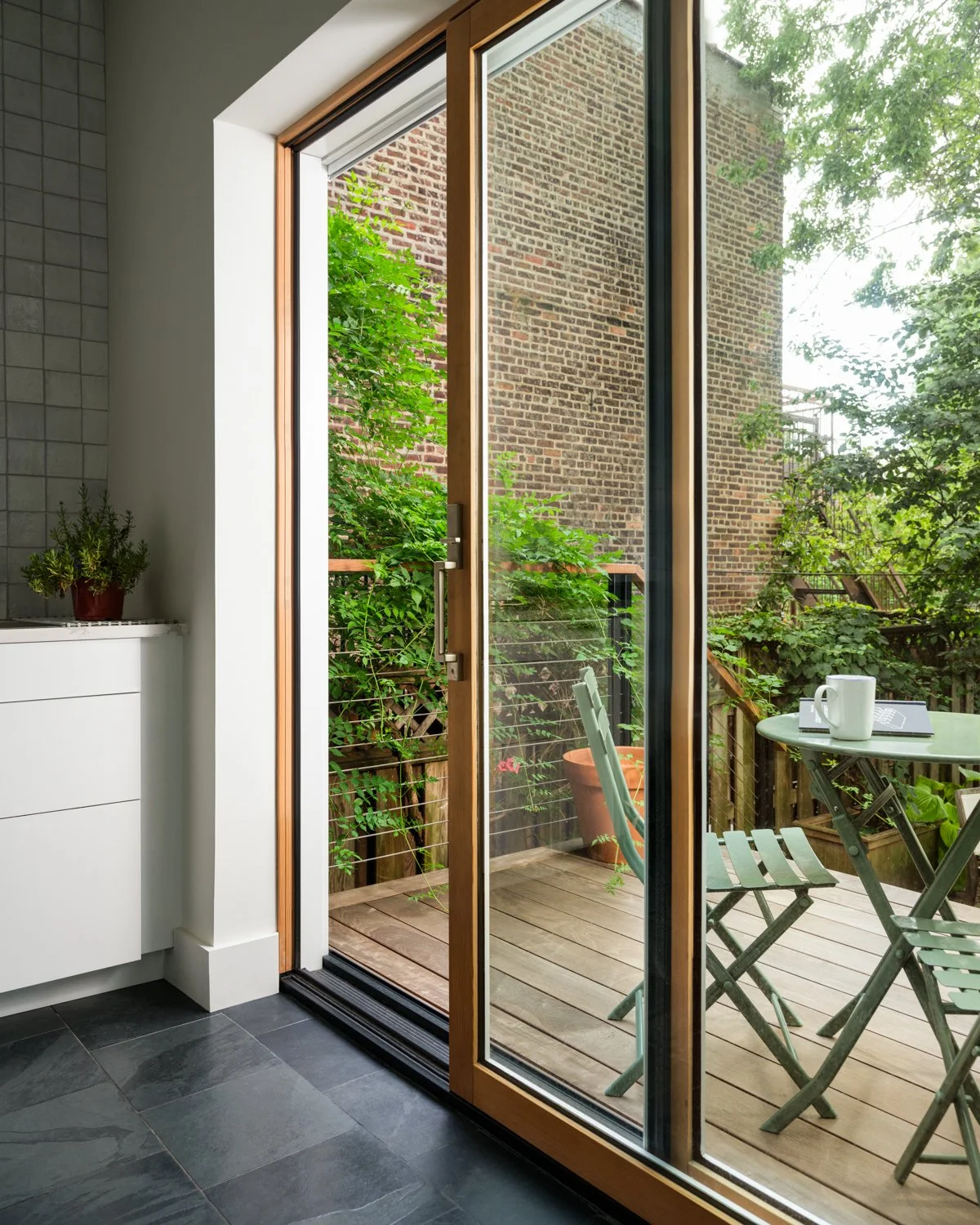
Partial Gut Renovation on Prospect Park South
Design & Build by Mammoth
Photography by Joe Kramm
Working with Artisans and Specialty Contractors
Beyond the general contractor, a high-end renovation brings in a whole other world of specialists — the tile setter who has spent years mastering intricate patterns, the metalworker who fabricates custom hardware from scratch. These are extraordinarily talented people, and their work is what gives a space its magic.
Finding them isn't the hard part, at least not if you know the right people. The real challenge is coordinating them — and that coordination is a discipline in itself. It requires someone who understands each trade deeply, who knows what every artisan and specialist needs to do their best work, and who understands how each piece of work connects to the next. What happens when the cabinetmaker's timeline affects the countertop installer or the tile crew? Those questions need to be anticipated and resolved before they become problems. That's what experienced project management does.
Balancing Aesthetics with Functionality and Livability
A lot of people lose sight of the space they actually want to live in while chasing the one that photographs best. But the questions worth asking are different: How will I feel as I move through this place every day? What does it feel like to walk in after a long week? That's a lived, sensory experience — not just a visual one. Glamour and livability aren't opposites. They're meant to work together.
The best way to understand intentionality is through a specific example of a bathroom renovation. The space can look extraordinary, but the moment you notice a small ledge built exactly where you'd set your phone while showering, you realize every inch of it was thought through. That's when a space stops feeling designed and starts feeling made for you. The best designers don't let function compromise beauty, or beauty compromise function.
NYC-Specific Considerations: The Landscape Every Renovation Navigates
Prewar and Landmarked Apartments — Opportunities and Constraints
New York's prewar buildings are a big part of why high-end residential renovation has become its own discipline here. The high ceilings, the window scale, the original details — they're extraordinary, and they also mean that modern mechanical systems need to be integrated into spaces that were never designed to accommodate them. That's not a problem. It's an invitation. The constraints become the inspiration. They're the soul of the project.
That said, it requires a surgical kind of care. You have to come to this work with a genuine understanding of the building's history and a certain humility toward it. Buildings under historic preservation protection add another layer — landmark designation for interiors is relatively uncommon, but facade and full-building protections mean that anything visible from the street must go through the Landmarks Preservation Commission for review and approval.
Working Within Co-op Alteration Agreements at the Luxury Level
Co-op boards in New York have real authority over renovation work — and in the most prestigious buildings, alteration agreements can run to dozens of pages of requirements, restrictions, and conditions. Minimum insurance levels, pre-approval of contractors, noise restrictions on working hours, and protection of common areas — all are regulated and enforced.
At this level, the renovation team's relationship with building management genuinely matters. An architect or contractor who has worked extensively in a particular building — or with properties managed by the same firm — has already established a baseline of trust. That trust makes approvals smoother, disputes easier to resolve, and the whole project more likely to be treated as a good-faith effort from day one. The alternative is spending the first three months of a renovation in bureaucratic limbo.
Managing Deliveries, Working Hours, and Building Logistics
A prewar co-op on the Upper East Side is not a suburban house with a wide driveway and a garage. Materials come up through the service elevator on a schedule, sometimes booked weeks in advance. Oversized pieces need to be measured against freight elevator dimensions and every corridor before they ever leave the supplier.
Sometimes a piece arrives a few inches too wide for the service entrance, and you need to find another way in. If you don't know that environment beforehand, it can derail your day. A design-build team has already accounted for all of it from the start — it's not a surprise, and it's not a last-minute obstacle. They arrive at those moments with the kind of logistical foresight that keeps everything moving.
Regulatory Approvals and How an Experienced Team Navigates Them
A renovation in Manhattan can require filings with the Department of Buildings, permits for plumbing and electrical work, sign-offs from multiple inspectors, and — if the project touches structure or building envelope — an engineering review. Each process has its own timeline and its own sequence of dependencies.
An experienced expediter and an architect who knows the permitting landscape understands exactly what's required, how to prepare submissions that move efficiently through review, and when it's worth requesting a pre-application meeting rather than just filing and waiting. Some processes take weeks. Others take months. The difference almost always comes down to who handles the paperwork.
What to Expect During Construction
Timeline Expectations for a High-End NYC Renovation
A full renovation of a significant New York apartment — from start to move-in — typically runs between 12 and 24 months, depending on existing conditions and the lead times for custom fabrication. What that range doesn't account for is a project where design phases get compressed to break ground earlier. Starting construction before the design is fully resolved is one of the most reliable ways to stretch a timeline and inflate a budget. The hours spent in design and cross-discipline coordination — making sure the new millwork doesn't conflict with HVAC runs, for example — are never wasted.
Design Oversight and Construction Administration
In more traditional models, the architect or designer's involvement is assumed to wind down once construction begins. In a design-build model, the opposite is true. Construction administration is the process by which design intent is actually maintained through execution — reviewing shop drawings, making regular site visits, responding in real time to contractor questions, and making the decisions that always arise when a design meets the physical reality of a space. The designer's attention doesn't end with the drawings. It carries through to the last detail.
Change Orders and How They're Handled at This Level
Change orders are part of every renovation. What changes the picture is how they're managed. At a high-end level, the standard is clear: every change gets documented, priced before the work proceeds, and approved by the client before anything moves forward. Teams who do this work well know that change orders should reflect real decisions — not oversights or conditions that should have been caught during the initial assessment. For clients, understanding where a change order is coming from matters just as much as its cost.
Communication and Transparency Throughout the Build
A renovation involves logistics, finances, and real emotion. The clients who navigate the process most successfully are usually the ones who came in informed — they understand that decisions will need to be made along the way, that some adjustments are inevitable, and that the whole thing depends on real collaboration. That kind of client also expects a certain level of communication from their team: not just answers to their questions, but also proactive updates. A weekly read on schedule and budget. A direct line to someone when something unexpected comes up.
The Finished Result
What a Truly Well-Executed High-End Renovation Feels Like
It doesn't feel like a set of drawings brought to life. What you experience is entirely different — it's just the space. A kitchen where cooking dinner or gathering with friends over coffee is genuinely enjoyable. A bedroom that catches a particular quality of light at noon. A place that feels, completely and intuitively, like an extension of the person who lives there. That's the goal. A home that lives like a home, and makes life better for the people inside it.
Resale Value and Long-Term Investment
A sophisticated buyer — or a broker who knows this market — can recognize the quality behind a premium renovation the moment they walk in. It reads. Work done at this level holds its value in a way that a budget renovation simply doesn't. It blends the structure and character of a historic building with the functionality and comfort of how people live now — in a way that's rare, and that the market recognizes as desirable.
The Emotional Return — Living in a Space Built Exactly for You
One of the most meaningful things any owner can experience is living in a space designed specifically for them. It wasn't built for someone else's family. There are no traces of someone else's choices layered over it. Every room, every finish, every detail came out of a genuine dialogue between the owner and the people who built it. It isn't just thought through for that person—it's built around how they actually live. It's entirely theirs, in every sense.
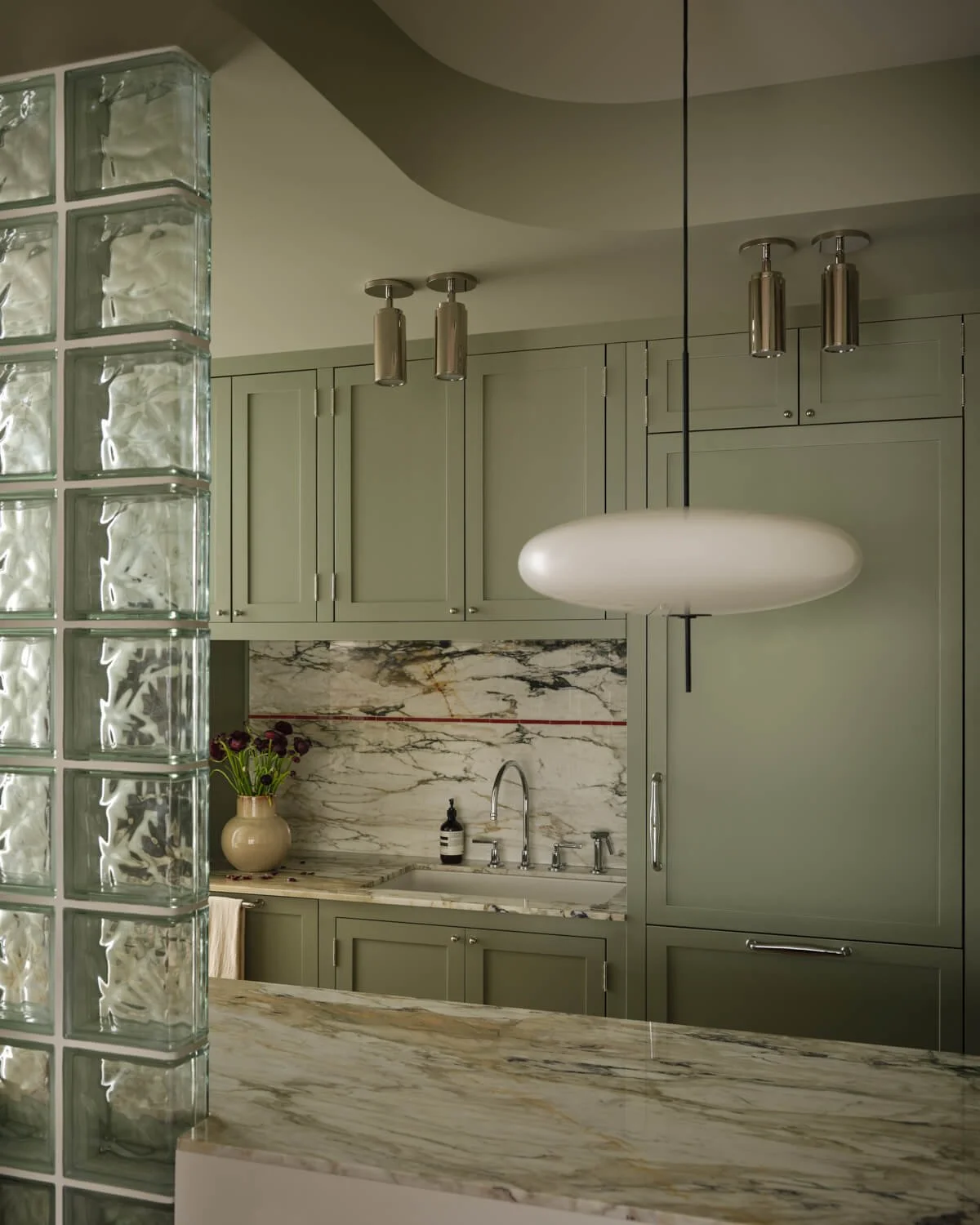
Partial Cosmetic Renovation in Park Slope
Design & Build by Mammoth
Photography by Joe Kramm
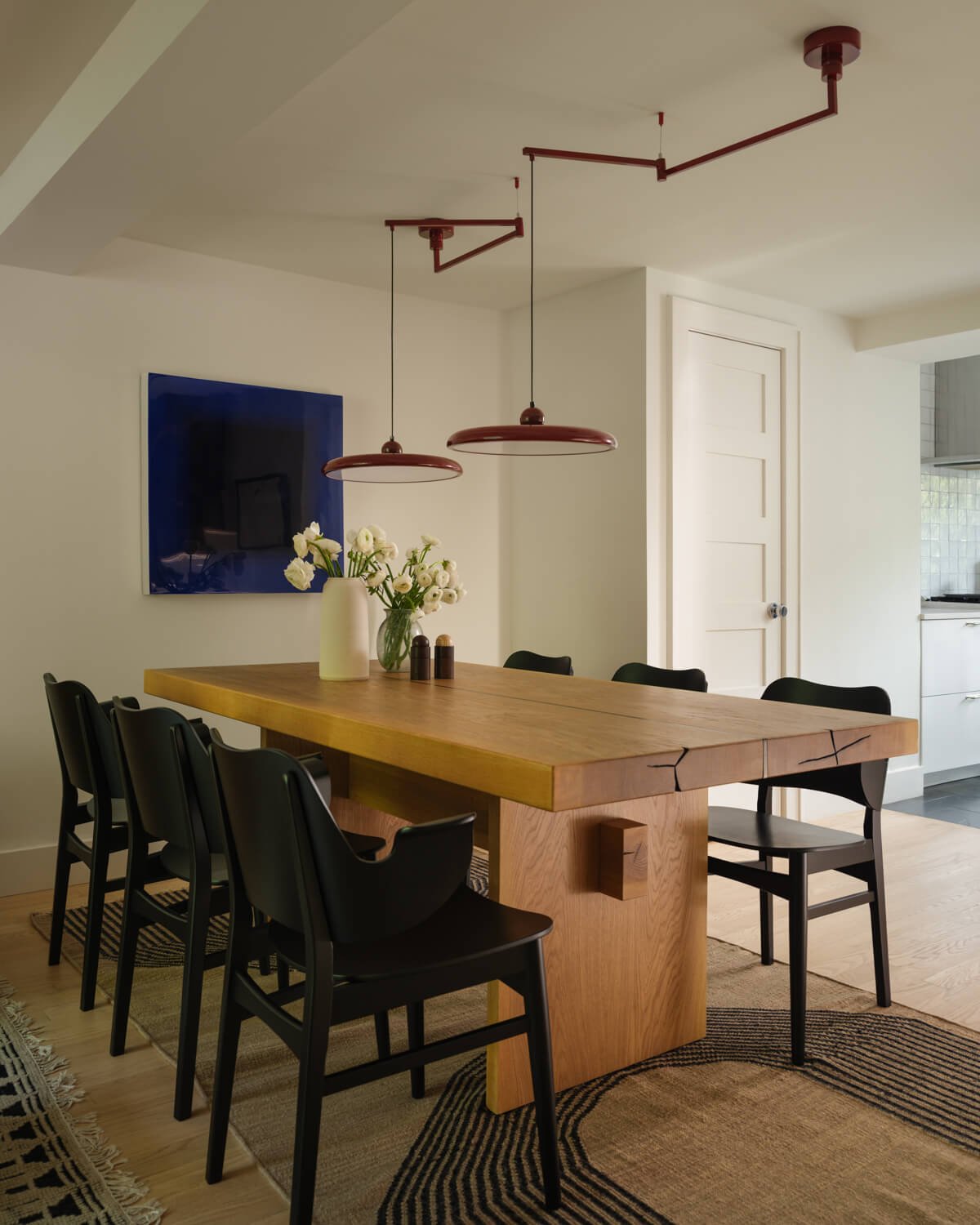
Partial Gut Renovation on Prospect Park South
Design & Build by Mammoth
Photography by Joe Kramm
Conclusion
Why the Team You Choose Defines the Outcome
A finished renovation reflects more than the work that went into it. It reflects the quality of communication from the very first conversation through the last, the way decisions were made, and how well every person involved stayed in sync. When that communication breaks down at any point, it shows — in the space, in the details, in the things that don't quite land the way they were supposed to.
In New York, where regulations run deep, and the logistics rarely give you an easy day, keeping the margin for error as small as possible isn't optional — it's everything. That requires a team that stays ahead of each phase, honest feedback between all parties, and an owner who feels genuinely heard and supported at every step of the process. Choosing the right team may be the single most important decision in any renovation. It's what separates a result that's truly extraordinary from one that simply gets done. The right team doesn't just understand the owner's vision — they protect it, completely, from beginning to end.
Mammoth's Approach to High-End Renovation in NYC
At Mammoth, we understand what a renovation in New York actually demands — and what it means to have the right people around you when you take it on. Our approach is integrated from the start. Design and construction work as a single, unified team, not two groups passing a project back and forth. That continuity holds from the first conversation through the moment a client walks into the finished space for the first time.
We look at every detail from two essential
angles: how it will look, and how it will live. We bring that same care to every project, drawing on long-standing relationships with craftspeople and specialists across every relevant trade. We work with people who care deeply about where they live, and who understand that a home built with this level of intention is something genuinely different. That shared understanding is the foundation on which everything else is built.
If you're considering a high-end renovation, this is where it begins — with a conversation and a clear sense of what's possible.
FAQ People also ask
What makes a renovation high-end?
The project is carefully planned from start to finish with custom details, quality materials, and a layout customized to how the homeowner actually lives.
How long does a high-end apartment renovation take in NYC?
Most full-apartment renovations take 12 to 24 months (including design, approvals, and construction). The timeline depends on the scope of work and other factors, such as the building’s requirements and whether custom materials or fabrication are involved.
How much does a high-end renovation cost per square foot?
For a gut renovation in New York City, costs typically range from $550 to $700 per square foot. Projects including extensive structural work, luxury finishes, or highly customized elements can exceed $1,000 per square foot.
What is the 70/30 rule in luxury renovations?
70% of the budget goes toward labor and project execution, while 30% goes toward materials and finishes. The exact ratio varies, but it helps homeowners understand where most renovation costs come from.
Why is a contingency budget important?
Unforeseen conditions are common, especially in older New York buildings. Hidden plumbing issues, outdated wiring, or previous renovations can create additional costs. Setting aside 10% to 20% of the budget helps keep the project on track if surprises arise.
What is a co-op alteration agreement?
A co-op alteration agreement describes the rules and requirements for renovation work within a building. It typically covers insurance, construction hours, contractor requirements, and approval procedures. Knowing these requirements early can help avert delays.
What is a design-build firm?
A design-build firm handles both design and construction under one roof. Because the architects and builders work together throughout the project, communication is often more streamlined, and decisions can be made more efficiently.
What should I look for when hiring a renovation team?
Look for experience with projects comparable to yours, especially if you’re renovating a co-op, condo, or historic property. Review past work, ask about their process, and make sure they can clearly explain budgets, timelines, and expectations.
How are prewar and landmarked renovations different?
These projects frequently involve additional approvals and unique construction challenges. Historic details may need to be preserved or restored, and installing modern systems into older buildings can require specialized expertise.
Does a high-end renovation increase resale value?
A well-executed renovation can make a property more attractive to buyers and help it compete more effectively in the market. Quality workmanship and integrated design hold value over time.
