
The Construction Process for Interior Renovations in NYC: A Complete Guide
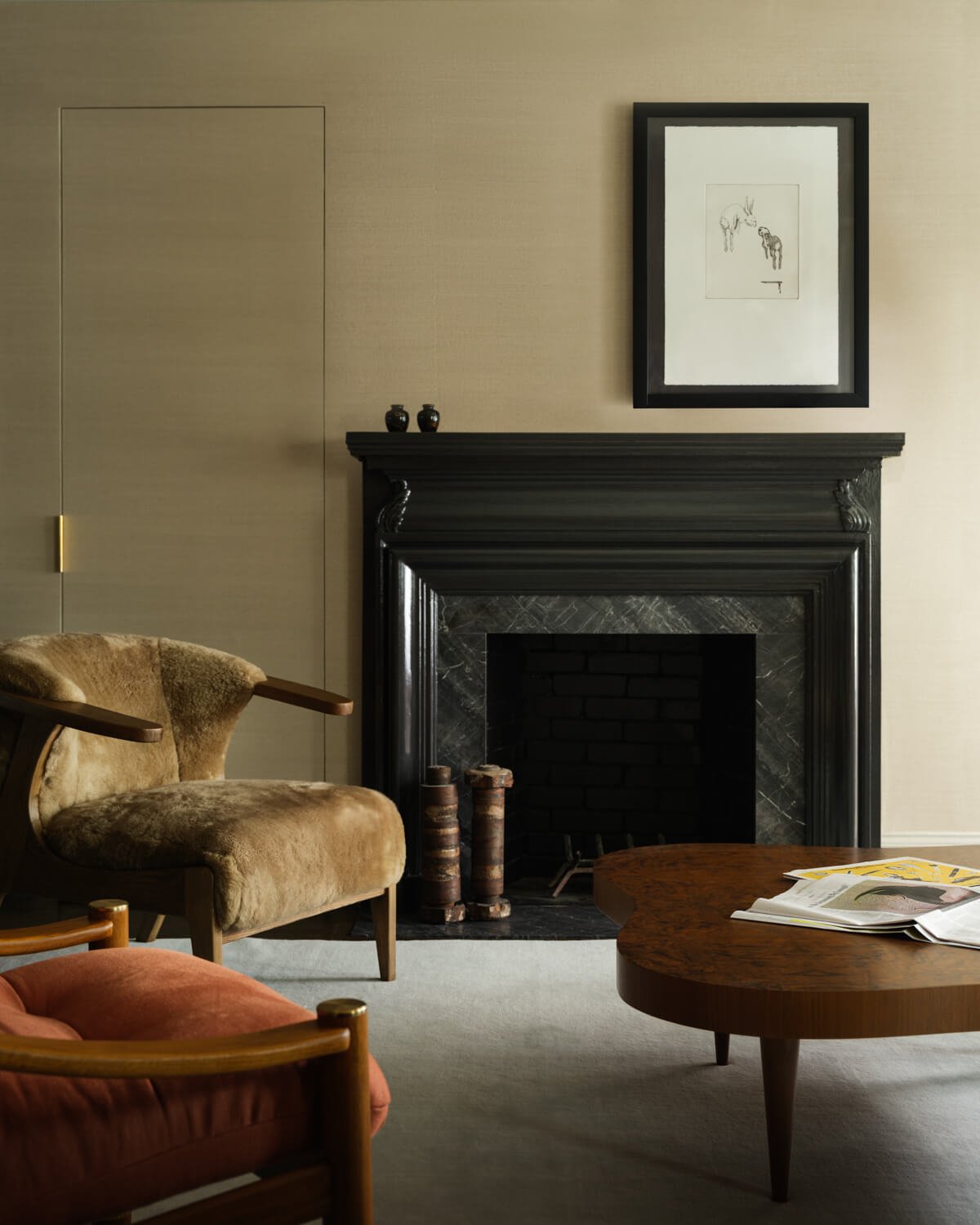
Gut Renovation of Park Ave Coop,
Design and Build by Mammoth
Do I need a permit for an interior renovation in NYC?
What is an Alt 2 permit and do I need one?
How long does the DOB permitting process take?
Do I need board approval before renovating my NYC co-op or condo?
What is an alteration agreement?
Is asbestos testing required before demolition in NYC?
What's the difference between a general contractor and a design-build firm?
What are change orders and how do I handle them?
What are typical working hours for NYC apartment renovations?
What does procurement mean in a renovation, and why does it matter?
What is a punch list?
Do I need a certificate of occupancy after a renovation?
How long does a gut renovation take in NYC?
What should I look for when hiring a general contractor or design-build firm in NYC?
Whether you're planning a gut renovation of a prewar co-op or a kitchen renovation in a Brooklyn brownstone, the construction process for interior renovations in NYC is unlike anywhere else in the country. Layers of regulation, co-op board approval, city permits, and building management rules stack on top of each other — and that's before a single wall comes down.
This guide walks through every phase of a typical NYC apartment renovation, from the first design conversation to the final punch list. If you're feeling overwhelmed by where to start, you're not alone — and understanding the process upfront makes everything go smoother.
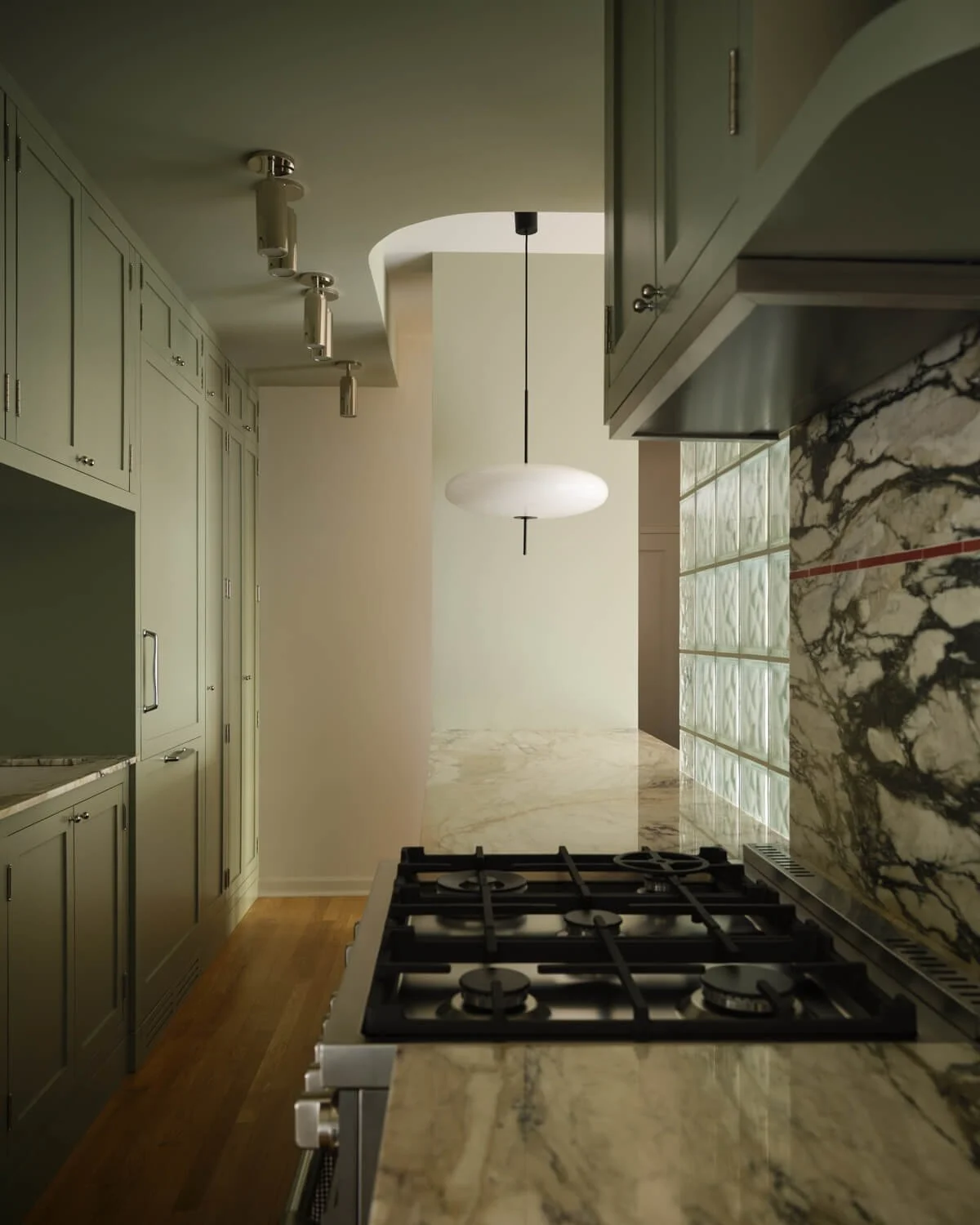
Gut Renovation in Park Slope Pre-War Co-op
Design & Build by Mammoth
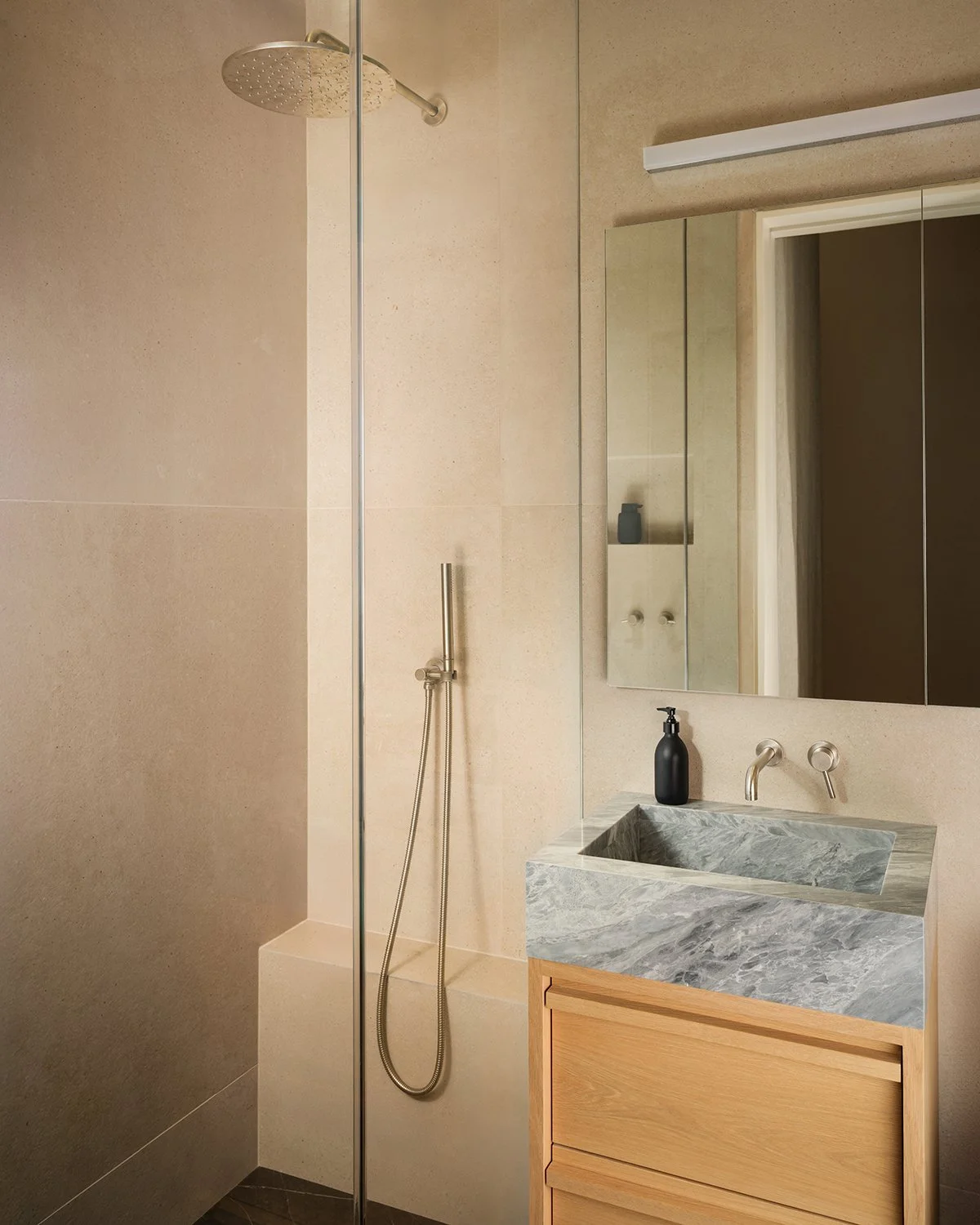
Gut Renovation in West Village Pre-War Co-op
Design & Build by Mammoth
Phase 1: Project Scope and Design
Every renovation starts with clarity on project scope. Before anything else, you need to know: What are you actually changing? A cosmetic refresh — new finishes, fixtures, and paint — is a fundamentally different undertaking from layout changes that move walls, plumbing, or electrical.
During the design phase, your architect or design-build firm will work with you to translate what you want into a set of architectural drawings. These drawings serve two purposes: they guide your contractor on how to build, and they form the basis for permit applications.
Design development typically happens in three stages:
Schematic design — rough layouts, big-picture decisions, space planning
Design development — refined drawings with specific dimensions, material selection, and plumbing fixtures documented
Construction Documents — fully detailed drawings ready for construction
If you're working with a design-build firm rather than separate architects and contractors, these stages are coordinated under one roof. The design-build approach has a meaningful advantage in NYC: because the same team that designs a project also builds it, you avoid the gaps and finger-pointing that often occur when the design and construction sides are separate.
Phase 2: Board Approval and Alteration Agreements
For co-op and condo owners in NYC, the renovation process has an extra layer that homeowners in other cities don't deal with: board approval.
Before any work begins, you'll need to submit your renovation plans — including architectural drawings and contractor information — to your building's board and building management for review. This process can take anywhere from two weeks to six or more months depending on how responsive your board is and how complex the project is. When Mammoth undertook a cosmetic renovation in a studio in Manhattan’s West Village, Board approval took two months. For another apartment renovation on the fifth floor of a Park Slope condo, it took four
The approval process will include the signing of an alteration agreement — a document between you, your building, and your contractor that sets the rules for how the renovation will be carried out. It typically covers:
Permitted working hours (usually weekdays, 8am–5pm or 9am–5pm in most buildings)
Required insurance minimums for your general contractor and subcontractors
Rules around noise, debris removal, and elevator use
Who bears responsibility for damage to common areas
Take the alteration agreement seriously. Violating its terms — especially around work hours — is one of the most common sources of conflict with neighbors and building management during a renovation.
Phase 3: Permits and the DOB
This is where most NYC homeowners feel the most uncertainty — and where having an experienced team matters most.
The NYC Department of Buildings (DOB) oversees all construction permitting in the city. Most interior renovations that go beyond cosmetic work require DOB permits, also called building permits. The specific type depends on what you're doing:
Alt 2 (Alteration Type 2) permits cover most interior gut renovations — work that requires multiple trades (such as general construction, plumbing, and HVAC) but does not alter the building’s legal use, egress, or occupancy. This is the most common permit type for residential renovations.
Plumbing permits are required any time you're moving or adding plumbing fixtures — even if the rough-in stays in the same location.
Electrical permits are required any time you’re relocating or updating electrical wiring.
Structural changes, new HVAC systems, and certain electrical work each require their own permit filings.
The permitting process starts with submitting your architectural drawings and permit applications through the DOB's online portal. Note that Asbestos testing is required to file an application for work in any building built before 1987. This is not optional — it's mandated by NYC law and a document called an ACP-5 must be uploaded as a part of this process.
A plan examiner at the DOB reviews the drawings for compliance with building codes and zoning regulations. If they have questions or require revisions, the process goes back and forth until the plans are approved. The examiners responses are called objections, and it is not uncommon to receive several rounds of objections, especially for more complex projects. All-in all, the DOB review and approval process can take between two weeks to two months, depending on the complexity of the project and quantity of objections.
If your building is a landmarked property, you'll also need approval from the Landmarks Preservation Commission (LPC) before making any exterior changes. When making interior changes in a historic building or district, it is still necessary to submit plans to LPC in order to obtain a Certificate of No Effect (CONE), typically these kinds of submissions are reviewed and issued quickly - within about 10 days. For a project on lower Park Avenue, Mammoth requested permission to submit their LPC application as soon as the building architect’s questions had been satisfied, prior to full board approval, in order to shave off time in an otherwise lengthy review process.
Some renovation teams — especially those doing complex projects — may choose to hire an expediter: a specialist who knows the DOB inside out, understands which examiners handle which project types, and can navigate the system quickly. However, this has become less prevalent since the completion of DOB’s transition to its fully online system - DOBNOW. Most licensed architects who have recent experience filing for DOB approvals are able to handle this themselves.
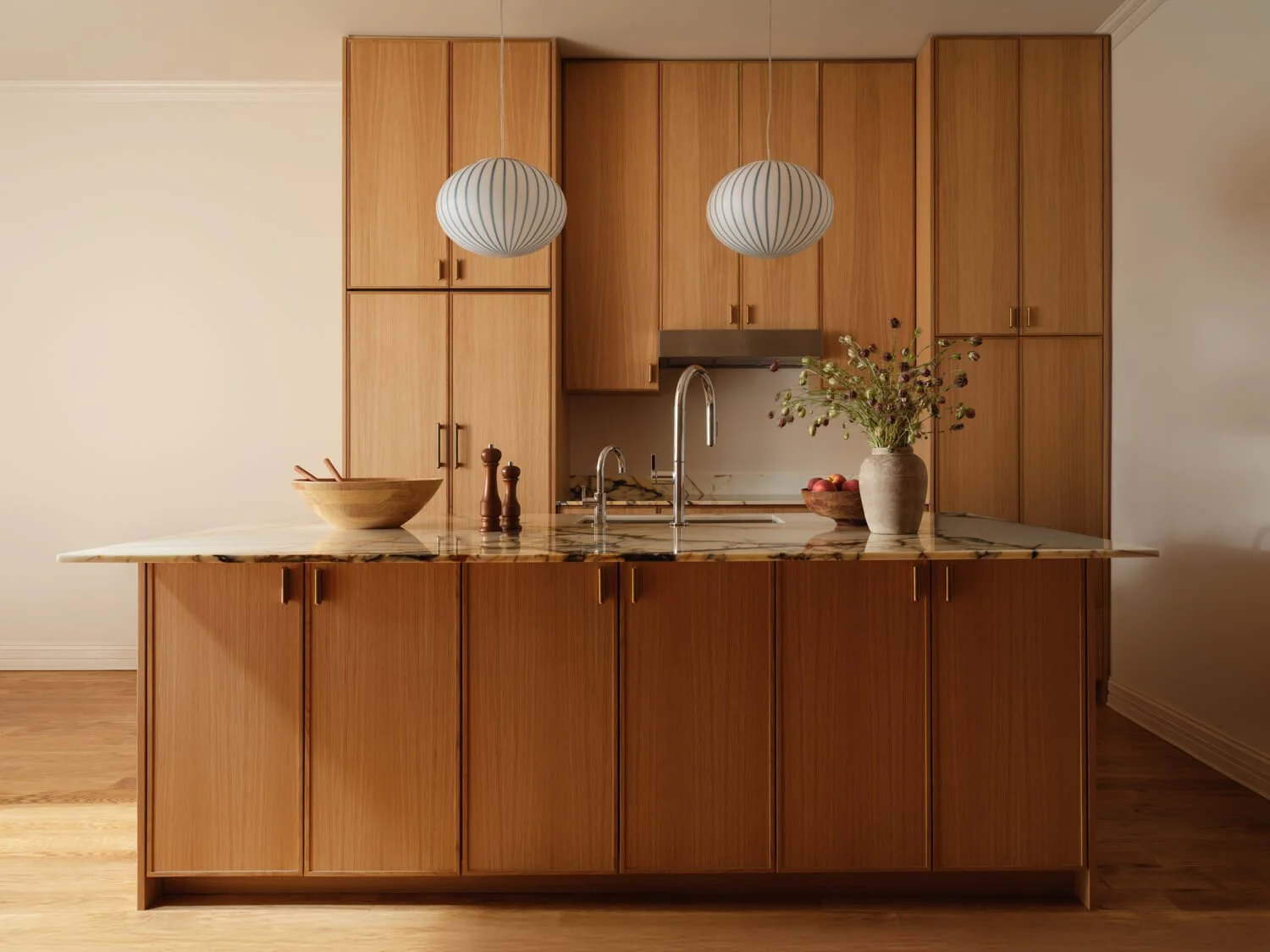
Park Slope Apartment Renovation
Design and Build by Mammoth
Phase 4: Procurement
Once permits are approved and the alteration agreement is signed, the project moves into procurement — ordering and sourcing everything needed before construction begins.
This phase is often underestimated by homeowners. Lead times for custom cabinetry, specialty tile, windows, and plumbing fixtures can run 8–16 weeks or longer. If procurement isn't started early enough, it becomes the bottleneck that delays the whole project.
A good project manager will track every line item in procurement and flag anything at risk of delayed delivery before it becomes a problem on site.
Phase 5: Construction
With permits in hand, the alteration agreement signed, and materials on order, construction begins.
For a gut renovation, the sequence typically looks like this:
Demolition — stripping the space down to studs, subfloor, and bare ceiling. Debris must be removed through a designated path (usually the service elevator) per your building's rules. If asbestos was found to be present as a result of mandated sampling and testing, licensed remediation must happen before any demo work starts.
Rough MEP — mechanical, electrical, and plumbing work happens before walls close. This is when your plumber runs new drain lines and supply pipes, your electrician roughs in circuits, and your HVAC contractor installs ductwork.
Inspections — the DOB requires inspections at various stages to confirm work matches approved plans before walls can be closed.
Insulation and drywall
Waterproofing and Soundproofing — protective barriers that help multi-unit buildings, especially co-ops and condos, mitigate risk. Often these are requirements that are spelled out in the alteration agreement, or raised by the Board during the review process
Finish work — tile, hardwood flooring, millwork, cabinetry, painting
Fixture installation — plumbing fixtures, lighting, appliances
Substantial Completion — the point at which the homeowner or business owner can occupy the space. For projects that required a change of occupancy or significant structural work, a certificate of occupancy may also be required before the space can be legally used.
Punchlist and Final Inspections — minor touch-ups, or other work or inspections that do not affect the unit owner’s ability to occupy the space such as final plumbing and electrical inspections to close out permits.
Throughout construction, your project manager should be on site regularly (or full-time on larger projects), coordinating between subcontractors — plumbers, electricians, tile setters, painters — and making sure work stays on schedule and on budget.
Change orders are written amendments to the original contract when something in the scope changes. They happen on almost every renovation. The key is making sure every change — whether initiated by you or discovered on site — is documented in writing with an agreed cost before the work happens.
Phase 6: Punch List and Closeout
As construction winds down, your contractor will walk the space with you and create a punch list — a documented list of every item that needs to be fixed, finished, or adjusted before the project is officially complete.
Common punch list items include:
Paint touch-ups and caulking gaps
Cabinet and hardware adjustments
Fixture and appliance testing
Any work that was done incorrectly or to a lesser standard than specified
The punch list isn't a sign that something went wrong — it's a normal, expected part of any well-managed renovation. A thorough punch list process is actually a sign of a rigorous contractor.
Once all punch list items are resolved, the project is closed out. This includes returning any required documentation to your building management and filing final paperwork with the DOB if required.
How Long Does a NYC Interior Renovation Take?
Timing varies significantly by project type:
Apartment cosmetic renovation (design and finish work only, no permits) 3-5 months
Apartment Kitchen renovation with layout changes 4–6 months
Apartment full gut renovation 10–12 months
Brownstone or townhome gut renovation 12–18 months
These timelines include design, board approval, permitting, and construction. The permitting process alone can add weeks or even months depending on project complexity and DOB workload.
Working with a Design-Build Firm in NYC
The complexity of NYC apartment renovations — between the DOB, co-op boards, alteration agreements, and tight building logistics — is exactly why the design-build approach has become increasingly popular in the city.
A design-build firm manages the full process under one contract: design, permitting, project management, procurement, and construction. Instead of hiring a designer separately from a general contractor and trying to coordinate between them, you have one team with shared accountability from start to finish.
At Mammoth, we've built our studio specifically around the realities of renovating in New York City. We handle everything from the initial design phase and DOB permit filings through construction closeout — so our clients don't have to become experts in the permitting process to get a great result.
If you're planning a renovation in Manhattan or Brooklyn, get in touch — we'd love to learn about your project.

Gut Renovation of Park Ave Coop,
Design and Build by Mammoth
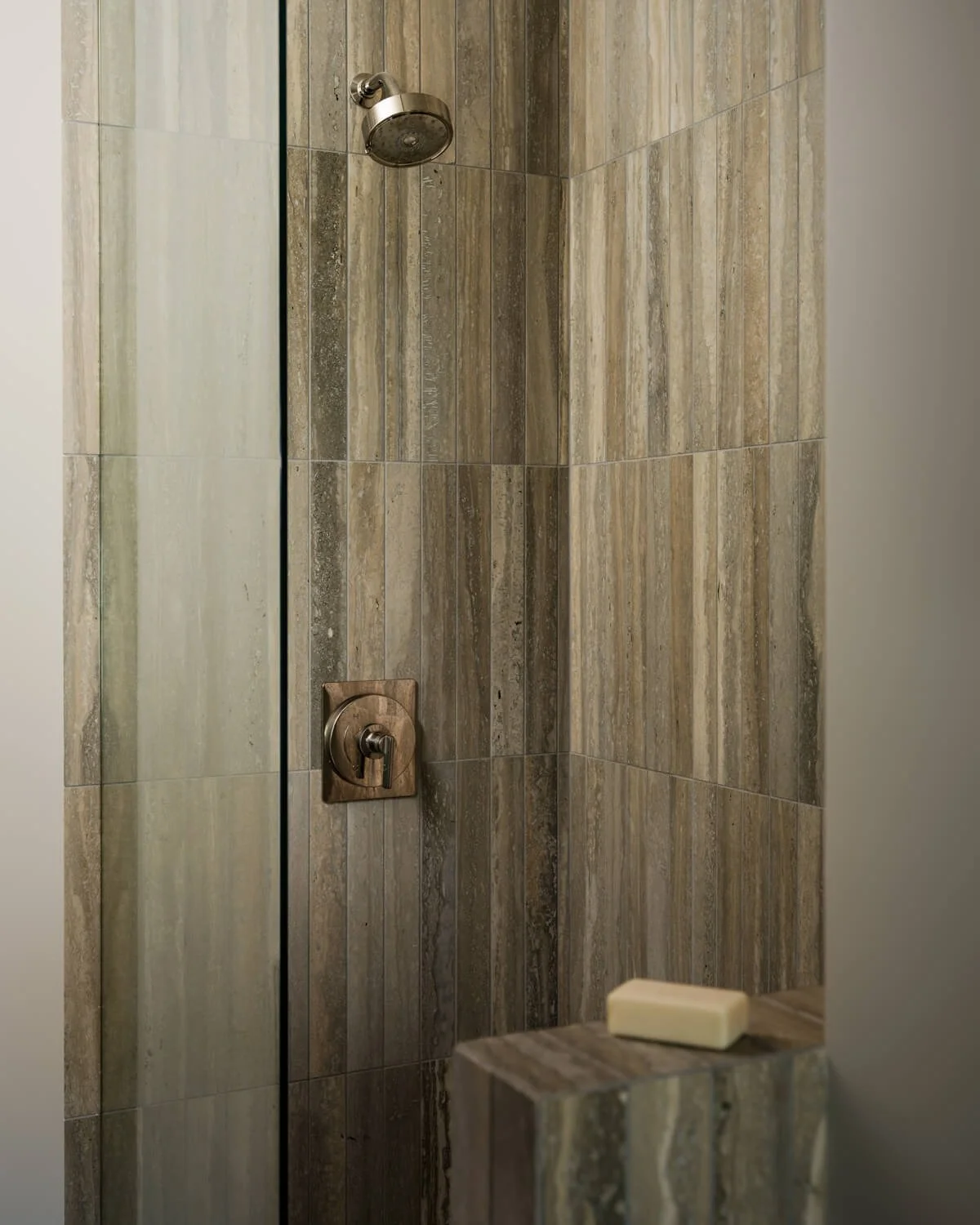
Gut Renovation of Park Ave Coop,
Design and Build by Mammoth
FAQs: The Construction Process for Interior Renovations in NYC
Do I need a permit for an interior renovation in NYC?
It depends on what you're changing. Cosmetic work — painting, replacing flooring, swapping out fixtures in the same location — generally doesn't require a permit. But most meaningful interior renovations do. Layout changes, structural work, moving plumbing, adding or relocating electrical panels, and HVAC modifications all require DOB permits. If you're not sure whether your project triggers a permit requirement, ask your general contractor or design-build firm before you start — unpermitted work can complicate a future sale and create liability.
What is an Alt 2 permit and do I need one?
An Alt 2 (Alteration Type 2) is the most common permit type for residential gut renovations in NYC. It covers work that changes the layout of an apartment or brownstone without changing the unit or building's overall occupancy classification. If you're moving walls, relocating plumbing, or making structural changes, you almost certainly need an Alt 2. Your architect files the application with the NYC Department of Buildings along with your architectural drawings, and a plan examiner reviews them for compliance with building codes and zoning regulations.
How long does the DOB permitting process take?
For straightforward projects, plan examination and permit approval can take 2–8 weeks through the DOB's online portal. More complex projects — especially those involving structural changes, mechanical work, LPC approval for landmarked buildings, or back-and-forth with plan examiners — can take 3–4 months or longer. Hiring an team that knows the DOB system can meaningfully speed things up, particularly for projects with unusual scope or tight timelines.
Do I need board approval before renovating my NYC co-op or condo?
Yes, in almost all cases. Co-ops and condos require you to submit your renovation plans — including architectural drawings and your contractor's insurance certificates — to building management and the board for review before any work begins. You'll also sign an alteration agreement that spells out the rules your contractor must follow. This process can take anywhere from two weeks to six or more months, so it should be factored into your overall timeline from the start.
What is an alteration agreement?
An alteration agreement is a contract between you, your building, and sometimes your general contractor that governs how the renovation will be carried out. It typically specifies permitted working hours (usually weekdays, 9am–5pm), required insurance coverage, rules for debris removal and elevator use, and who is financially responsible for damage to common areas. Whether or not they are required to sign it, your contractor must be made aware of and comply with the alteration agreement throughout construction — violations are one of the most common causes of friction with neighbors and building management.
Is asbestos testing required before demolition in NYC?
Yes. NYC law requires asbestos testing before any demolition in buildings constructed before 1987. A licensed asbestos investigator must inspect the space and submit a report. If asbestos-containing materials are found, licensed abatement contractors must remove them before demolition can proceed. This adds cost and time to the front end of a project, but it's non-negotiable — and skipping it exposes you and your contractor to serious legal liability.
What's the difference between a general contractor and a design-build firm?
A general contractor manages the construction phase of a project — coordinating subcontractors like plumbers, electricians, and tile setters to execute plans that were created by a separate architect or designer. A design-build firm does both: design and construction are handled by one company. In NYC, the design-build approach is particularly well-suited to complex apartment renovations because there's no gap between what the designer specifies and what the builder delivers. It also simplifies communication — you have one point of contact from concept through completion rather than managing two separate relationships.
What are change orders and how do I handle them?
A change order is a written amendment to your construction contract that documents a change in scope, cost, or timeline. They're extremely common — almost every renovation has at least a few. Changes can be initiated by you (you decide you want a different tile, or want to add a closet), or they can be discovered during construction (hidden water damage, outdated wiring that needs replacing). The key rule: never let work proceed on a change without a signed change order with an agreed cost. Verbal agreements about changes are a major source of budget disputes.
What are typical working hours for NYC apartment renovations?
Most buildings allow construction work on weekdays between 8am and 5pm, though some are more restrictive (9am–4pm is not uncommon). Saturday work is sometimes permitted with advance notice but is often prohibited or limited. Evening and Sunday work is almost always banned. Your alteration agreement will spell out the exact rules for your building. Violations — especially noise complaints — can get your project shut down by building management, so your contractor needs to take these limits seriously.
What does procurement mean in a renovation, and why does it matter?
Procurement refers to the ordering and sourcing of all materials and fixtures before construction begins — cabinetry, tile, plumbing fixtures, windows, appliances, and so on. It matters enormously in NYC renovations because lead times for good quality materials can be long: custom cabinetry often runs 10–14 weeks, specialty tile or stone can be 8–12 weeks, and some plumbing fixtures are backordered for months. If procurement isn't started early — ideally while permits are being processed — materials delays become the bottleneck that pushes your construction timeline back. A good project manager tracks every item in procurement and flags risks before they become problems on site.
What is a punch list?
A punch list is a documented checklist of items that need to be corrected, finished, or adjusted before a renovation project is officially complete. It's created during a walkthrough with your contractor near the end of construction. Common items include paint touch-ups, cabinet adjustments, caulking gaps, and fixture testing. A punch list is a normal part of every well-run renovation — it's actually a sign of a thorough contractor, not a sign that something went wrong. The project isn't considered complete until all punch list items are resolved.
Do I need a certificate of occupancy after a renovation?
Not always. A certificate of occupancy (CO) is typically required when a renovation involves a change of occupancy or use — for example, converting a space from commercial to residential. Most standard apartment gut renovations don't require a new CO, but significant structural changes or alterations to egress may trigger one. Your architect or design-build firm can tell you at the outset whether your specific project will require a CO.
How long does a gut renovation take in NYC?
A full apartment gut renovation in NYC takes an average of 10–12 months from start of design through construction completion. That includes roughly 5 months for design and board approval (some of which can overlap), 2-8 weeks for permitting, and 3–5 months of construction depending on scope. Larger or more complex apartment renovations, Brownstone and townhome gut renovations run longer — often 12–18 months — due to greater scope and square footages. Timelines vary based on the size of the project, permit complexity, board responsiveness, and material lead times.
What should I look for when hiring a general contractor or design-build firm in NYC?
Look for a contractor who has experience specifically with NYC apartment renovations — someone who understands the DOB permitting process, has worked in co-op and condo buildings, or townhouses, before, and knows how to manage the alteration agreement process. Ask for references from past clients in similar building types, verify they carry the required insurance, and make sure they have a clear process for project management and change orders. In NYC, renovation experience in other markets doesn't always translate — local regulatory knowledge matters.
Mammoth is a woman-owned NYC design-build studio specializing in high-end residential and commercial renovations across Manhattan and Brooklyn. One team, concept to completion. Have more questions about renovating in NYC? Get in touch with Mammoth — we're happy to walk through your project.
