
Apartment Combinations NYC
Table Of Contents
Many people eventually reach a point where their apartment no longer fits their lifestyle. The obvious answer would seem to be moving to a larger place, but in New York City, that decision is rarely so simple. More space often means leaving a neighborhood that already feels familiar, and for many buyers, that is a compromise they would rather avoid.
This is part of what makes apartment combinations so interesting. Instead of searching for a completely different home, there is sometimes an opportunity to expand within a building that already works. The result can be difficult to replicate through a traditional purchase: more square footage, the same location, and a layout that can be adapted to changing needs.
When combining apartments, owners often face unique challenges. The conversation quickly extends beyond design decisions into building approvals, structural limitations, and, let's not forget, administrative requirements. For that reason, understanding what is possible before plans begin to take shape can save considerable time and frustration later.
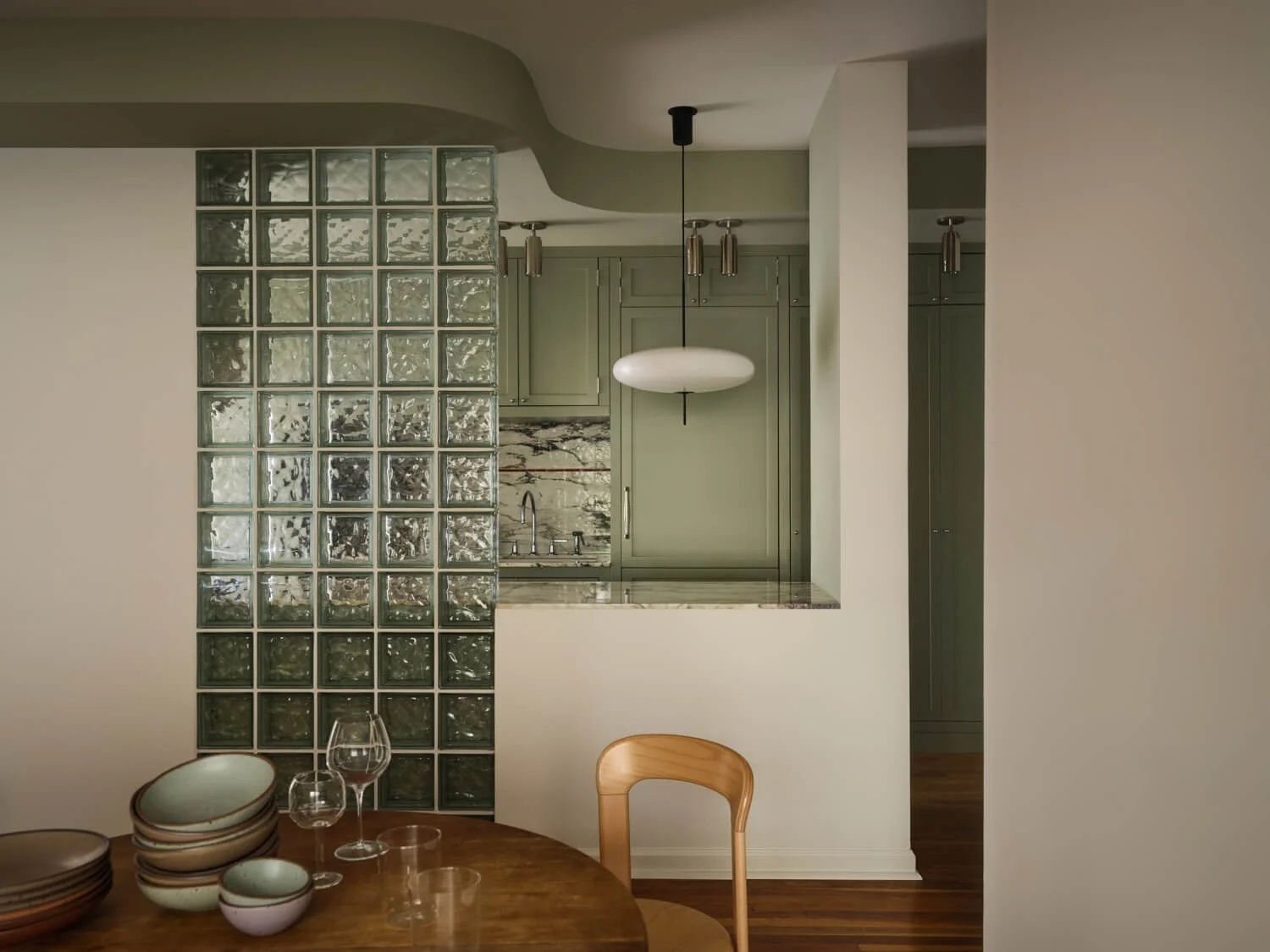
Kitchen Renovation
Design-Build Renovation by Mammoth
Photography by Joe Kramm
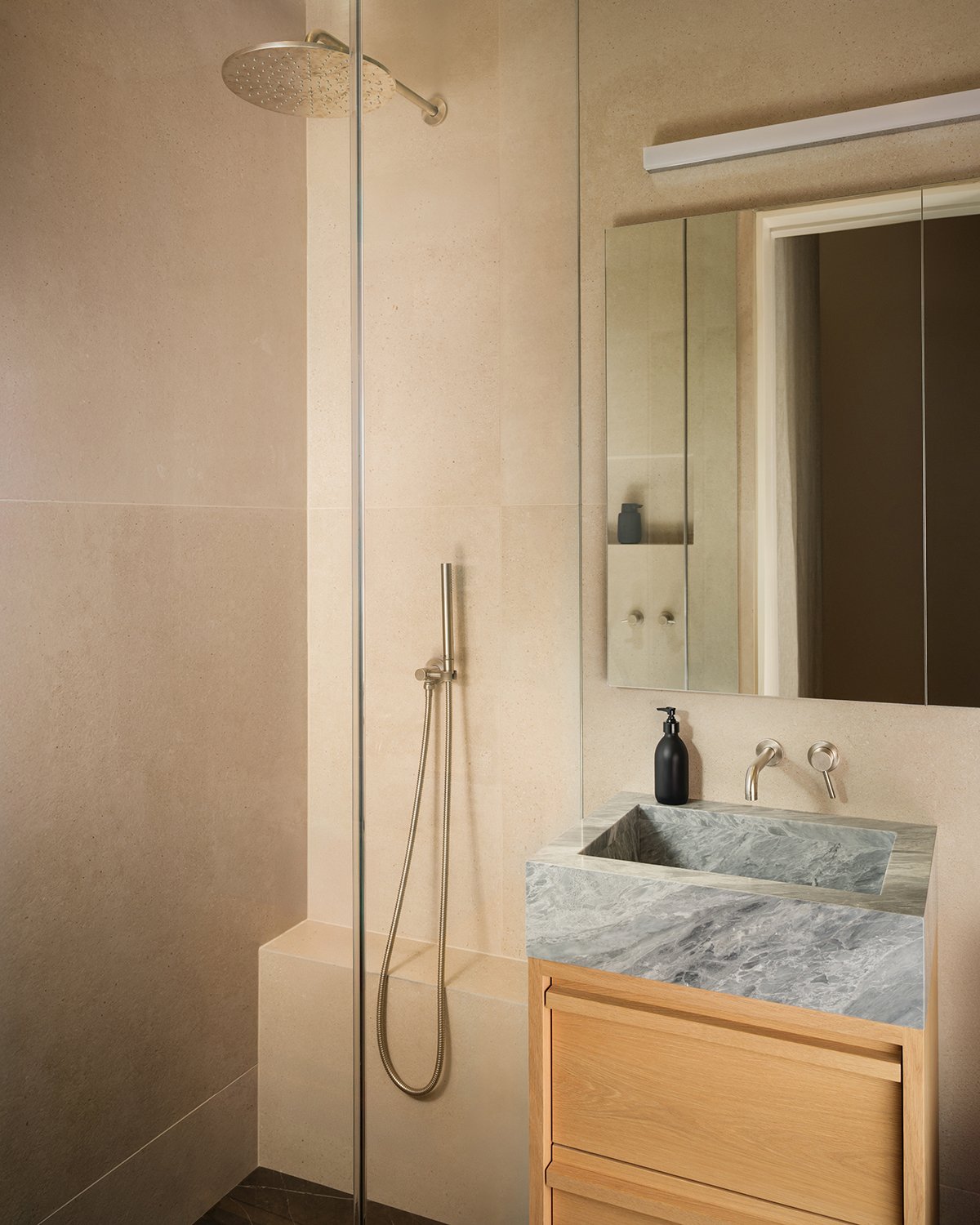
West Villa Gut Renovation
Design-Build Renovation by Mammoth
Photography by Joe Kramm
What Is an Apartment Combination?
At its most basic, combining apartments in NYC means merging two separate units into a single residence. How that works in practice depends on the relationship between the two apartments — horizontal or vertical.
Horizontal combinations are the more common scenario: two adjoining units on the same floor are connected through a shared wall, creating a single apartment with a larger footprint. The result is typically more bedrooms, a second bathroom, a dedicated laundry room, or simply more living space across a continuous floor plan.
Opportunities like these appear throughout the city, but some of the most interesting ones tend to surface in neighborhoods with a high concentration of pre-war buildings — the Upper West Side, Greenwich Village. Many of these buildings were designed with generous floor plans that vary unit to unit, making them particularly well-suited for this kind of project. The process typically requires coordination with the building and the New York City Department of Buildings, and understanding these requirements early helps avoid unnecessary delays later.
Before You Begin: The Importance of Due Diligence
Many buyers get excited about the possibilities of combining apartments and immediately start imagining larger living spaces, new layouts, interior design concepts, and renovation plans. In reality, the most important work happens before any drawings are created or permits are filed.
Taking the time to conduct proper due diligence early on can reveal whether a combination is even possible and help identify potential obstacles before they become expensive problems.
Ownership and Availability
Before anything else, both apartments need to be under the same ownership. Sometimes buyers purchase neighboring units specifically because they plan to combine them. In other cases, an owner decides to expand after the apartment next door comes on the market.
Either way, the process cannot move forward until both units are legally controlled by the same owner.
Understanding the Building’s Structure
One of the first questions to answer is whether the building can physically accommodate the proposed combination.
This is particularly important in pre-war buildings. While these properties are often attractive candidates due to their generous layouts and architectural character, they can also pose structural challenges. Walls are frequently thicker than those found in newer buildings, and some may be load-bearing. Creating a doorway or opening between units, while maintaining proper points of egress, may require additional engineering work that would not be necessary elsewhere.
For that reason, bringing in a structural engineer early is rarely a wasted step. A professional assessment can clarify what is possible and help prevent costly surprises once planning begins.
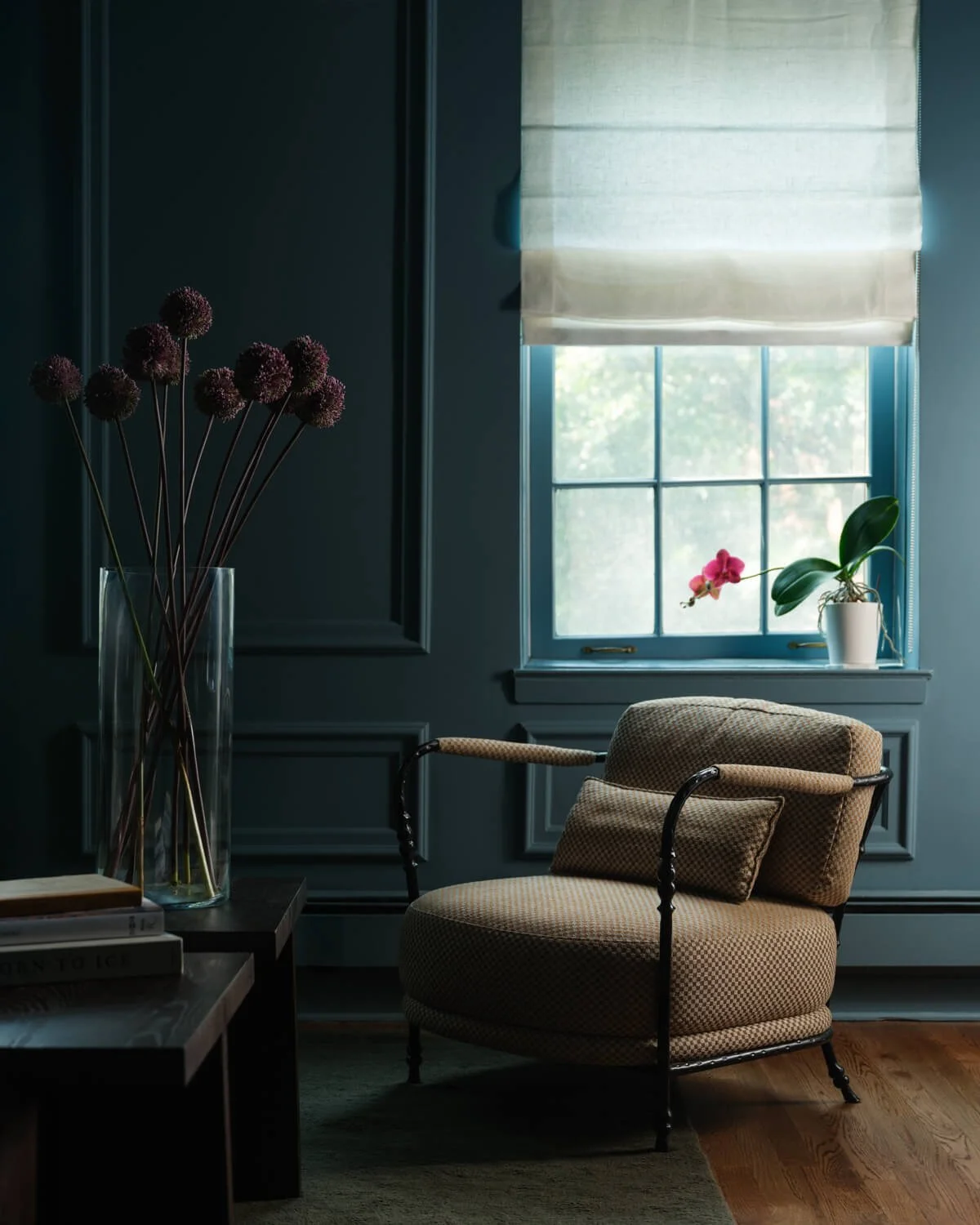
Brooklyn Renovation
Design-Build Renovation by Mammoth
Photography by Joe Kramm
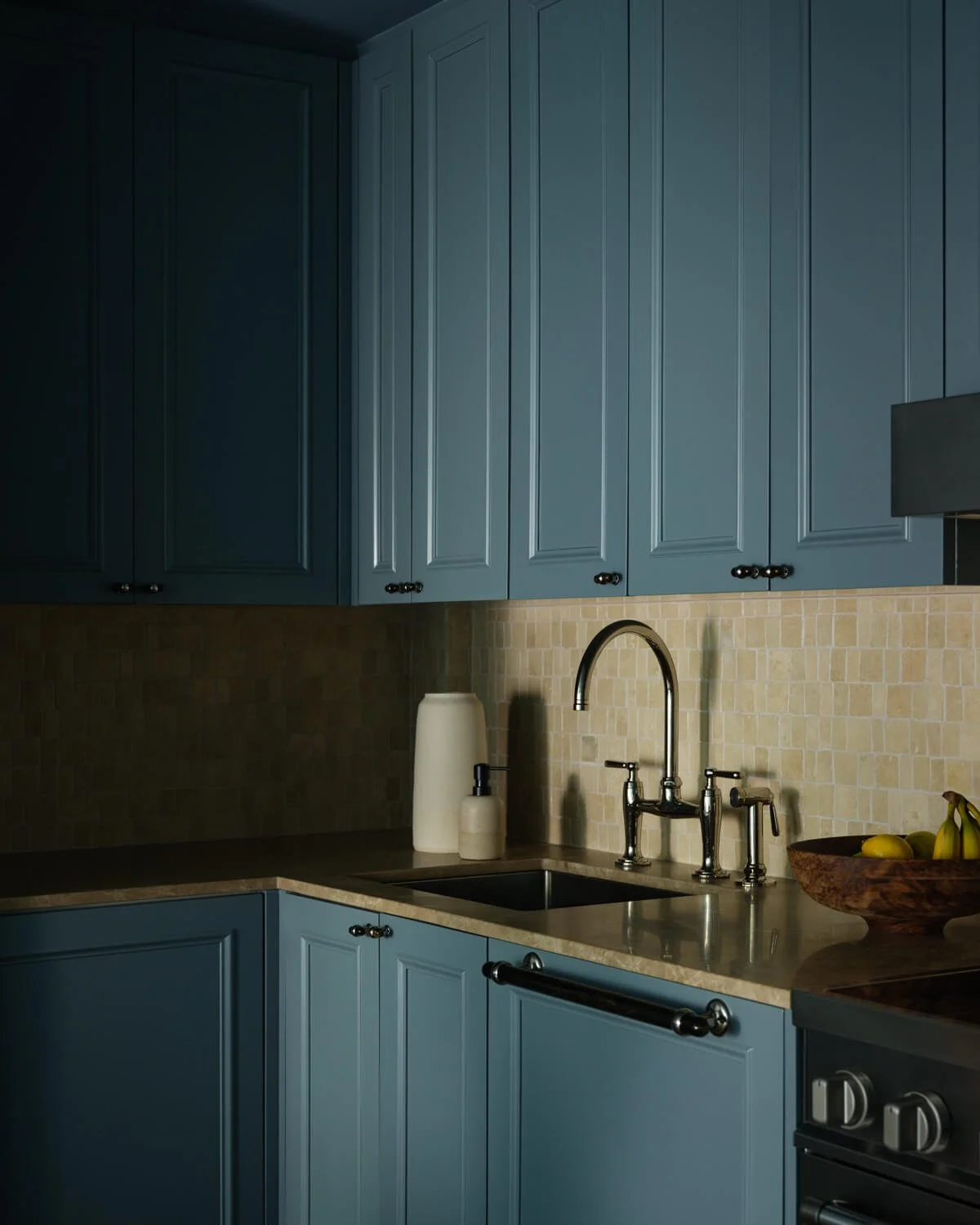
Brooklyn Renovation
Design-Build Renovation by Mammoth
Photography by Joe Kramm
How the Building Views Combination Projects
Even if a combination is technically feasible, the building itself may have its own requirements.
For co-op owners, this means understanding the board's position on apartment combinations. Some buildings have approved similar projects many times before and have a well-established review process for obtaining board approval. Others are more conservative, especially when proposals involve vertical combinations or modifications that affect structural components.
Having these conversations before purchasing a second unit can save a considerable amount of time, uncertainty, and frustration.
Certificate of Occupancy Requirements
Combining apartments is not simply a renovation project; it often evolves into a full gut renovation of the combined space. It also changes how the property is recognized from a legal and administrative standpoint.
When two apartments become one residence, updates to the building's Certificate of Occupancy may be required. The exact requirements depend on the nature of the project and the Department of Finance, but they should be evaluated from the beginning rather than treated as a final step.
Addressing these issues early helps ensure the project moves forward smoothly and reduces the likelihood of delays during construction or the approval process.
Budget and Timeline
No two apartment combinations cost exactly the same, but one thing is consistent: these projects require a significant investment. While finishes certainly influence the final number, they are rarely what determines the budget. More often than not, the highest costs come from the work happening behind the walls.
Bringing two apartments together means much more than connecting the spaces, often involving the integration of plumbing, electrical, and HVAC systems. It implies structural modifications, relocating building systems, and ensuring everything functions as one home (parts of the project that require the greatest investment). As a general guideline, combination projects in New York City tend to range from $300 to $500 per square foot for mid-range renovations, though custom finishes and complex architectural work can increase that figure considerably.
A good example would be combining two neighboring two-bedroom apartments. Depending on the condition of each unit, the structural work involved, and the overall scope of the renovation, projects like these can easily range from $400,000 to $700,000.
Some expenses also leave very little room for negotiation. If the project requires structural steel, reinforced openings, or modifications to the building itself, those decisions are driven by engineering requirements rather than design preferences. They are simply part of what it takes to complete the work safely.
The same applies to timing. Apartment combinations rarely move quickly, even when everything goes according to plan. Before construction begins, there are approvals, DOB permits, architectural drawings, and coordination with the building to work through. By the time construction is finished and inspections are complete, it is not unusual for a project to take well over a year.
For that reason, it is always worth building some flexibility into both the schedule and the budget. Older buildings, in particular, have a way of revealing surprises once work begins, and having a contingency from the start usually makes those moments much easier to manage.
Final Thoughts
Apartment combinations are certainly not the easiest way to gain more space in New York City, but for many homeowners, they make more sense than starting over elsewhere.
The opportunity to stay in a neighborhood that already feels like home while creating a space that better reflects the way life has changed is something the market does not offer very often. That is part of what makes these projects so appealing.
Before construction even begins, there are architectural services to secure, plans to finalize, and countless details to coordinate. It can feel like a lengthy process at times, but having an experienced team involved from the beginning often makes it far easier to navigate. This is one of the advantages of working with a design-build firm like Mammoth. Design strategy, architectural planning, building code compliance, DOB filings, custom millwork, and construction are all handled by the same integrated team, allowing every phase of the project to move forward with greater continuity and coordination.
When everything comes together, piece by piece, the result is a home that feels intentional—one designed around the people who live there rather than around the limitations of the original floor plan. In a city where finding that kind of space is increasingly uncommon, that can make the entire process worthwhile. And it can truly be a significant experience for homeowners.
FAQs
Can any two apartments be combined?
Not always. The building has to be able to accommodate it structurally, the board has to approve it, and both units need to be under the same ownership before anything can move forward. Due diligence before purchasing a second unit is what determines whether a combination is actually possible.
Is a horizontal or vertical combination more complicated?
Vertical combinations are generally more complex. Connecting two units on different floors requires an internal staircase and typically involves more structural work than breaking through a shared wall between two adjoining apartments on the same floor.
How long does it take to complete an apartment combination?
Longer than most people expect. Between approvals, DOB permits, architectural drawings, construction, and inspections, it’s not unusual for a project to take well over a year — even when everything goes according to plan. Older buildings have a way of adding time once work begins.
What does it actually cost?
The finishes matter, but they’re rarely what drives the budget. The real costs are behind the walls — integrating plumbing, electrical, and HVAC systems, structural modifications, and relocating building systems. As a general guideline, mid-range combination projects in New York City tend to run between $300 and $500 per square foot, with custom work pushing that figure higher.
Do I need board approval?
For co-op owners, yes. Some buildings have approved combinations many times and have a clear process for it. Others are more conservative, particularly when the proposal involves vertical combinations or structural modifications. Having that conversation early — before purchasing a second unit — can save significant time.
Why work with a design-build firm for this kind of project?
Because a combination touches every part of a home at once. Design strategy, architectural planning, DOB filings, structural work, construction — when those are handled by separate teams, coordination becomes its own problem. At Mammoth, everything moves through a single integrated team, keeping every phase connected and the project on track.
