
How design-build helps prevent renovation problems before construction starts
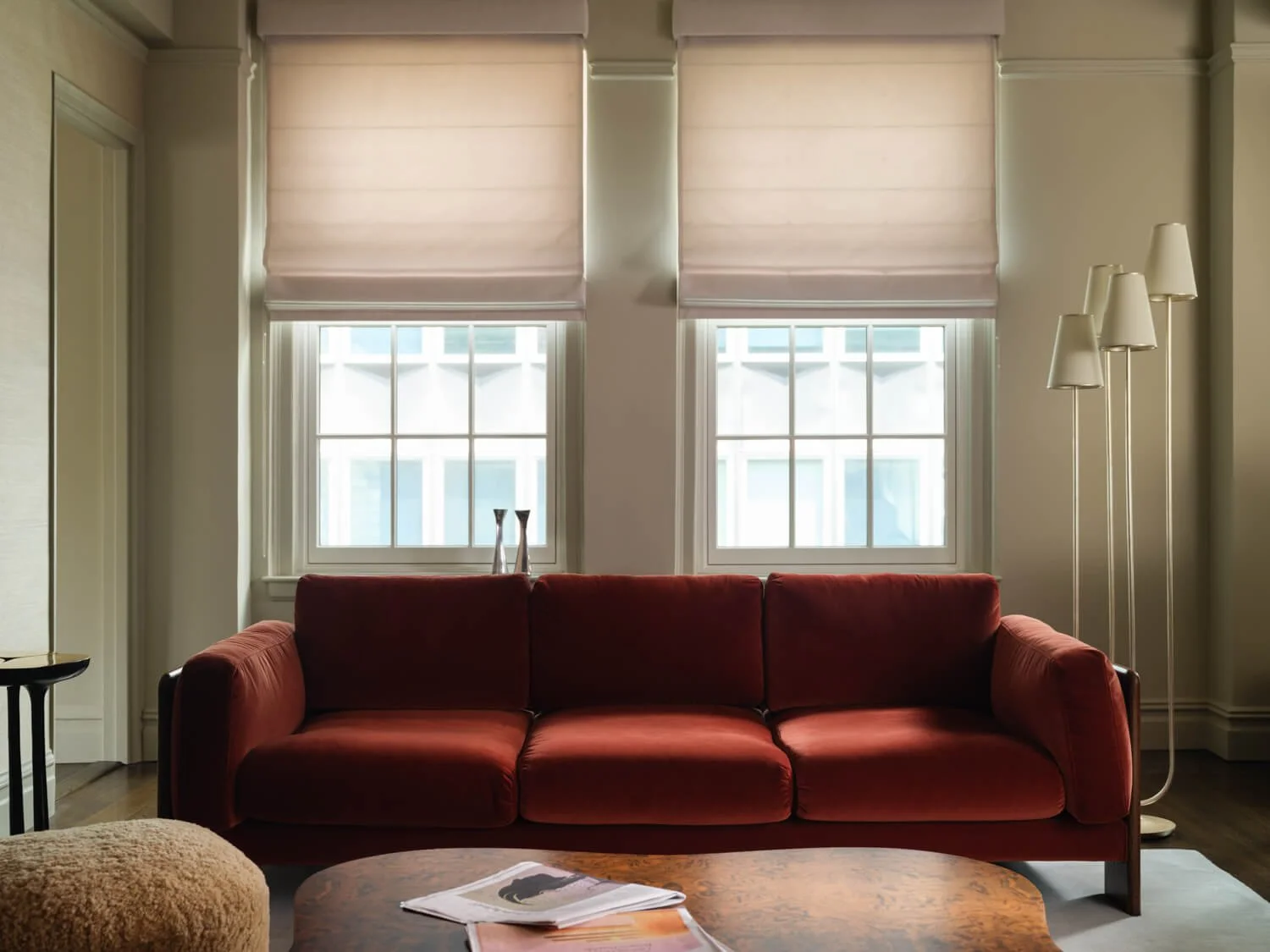
Park Avenue Pre-War Living Room Renovation
Design and Build by Mammoth
Photography by Joe Kramm
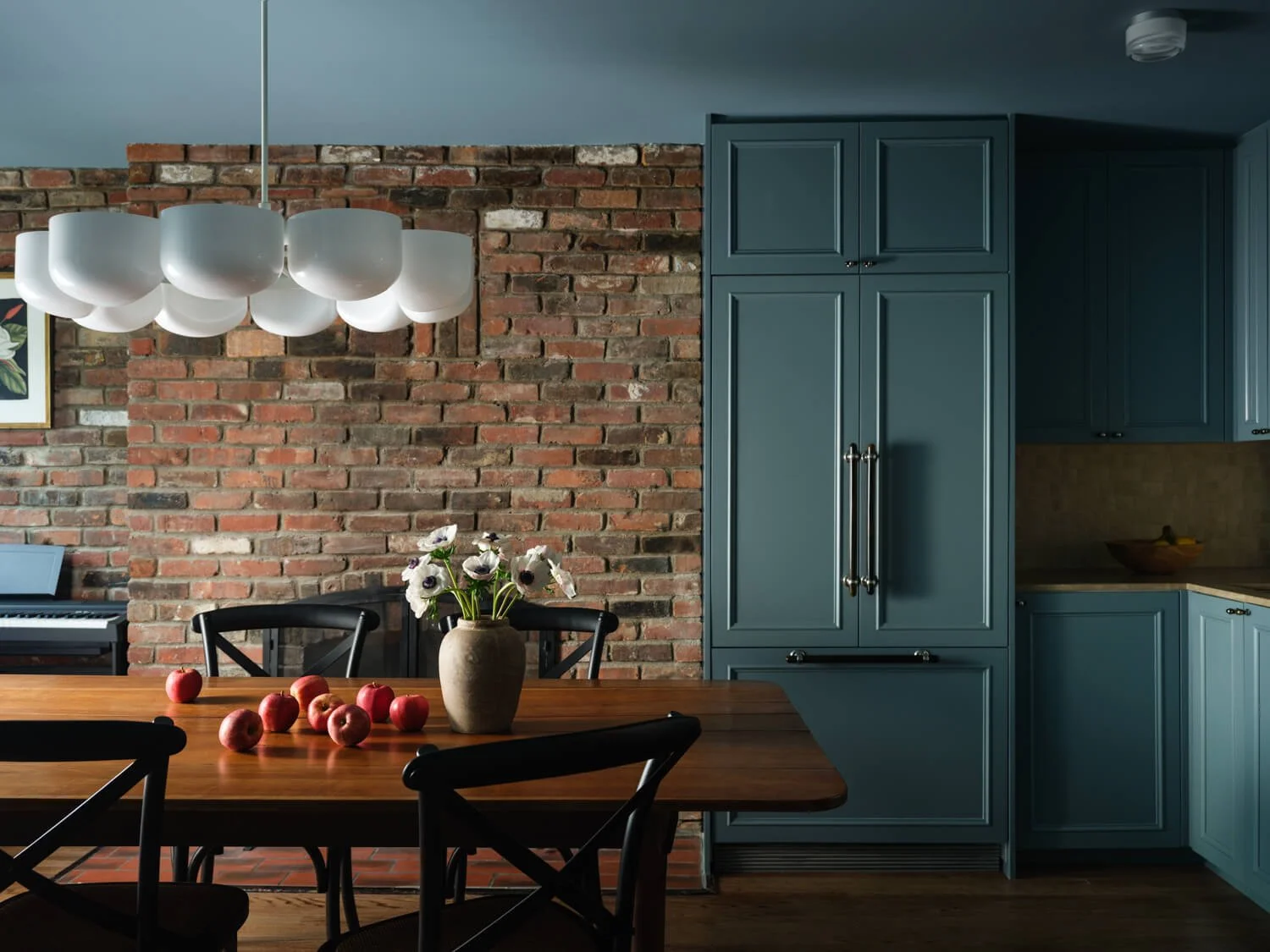
Brooklyn Heights Open Living Renovation
Design and Build by Mammoth
Photography by Joe Kramm
Why Renovation Projects Go Wrong
One of the biggest concerns for anyone starting a construction or renovation project is: how many new issues am I going to run into? And how much are these going to cost in the end?
How often do we hear about construction issues and renovation problems being discovered too late when using traditional methods? It may have happened to a neighbor, a family member, or perhaps even to us.
How many times does an enthusiastic architect design a beautiful space (the kind that excites any homeowner and takes their breath away), only to later discover, especially in traditional design-bid-build construction methods involving separate contracts, that it is extremely expensive or difficult to execute?
Some projects are delayed for months and months as construction teams look for viable alternatives while navigating local building codes, site conditions, and permits. When multiple teams and contractors are involved, these issues can easily turn into an endless cycle of finger-pointing and miscommunication.
The project becomes significantly more expensive as construction costs escalate, and unfortunately, the result is often far removed from the original vision.
Especially in renovations involving older buildings, projects often uncover hidden structural damage, concealed plumbing, uneven floors, outdated electrical systems, or existing building conditions that are difficult, if not impossible, to relocate. These kinds of unforeseen site conditions and construction risks can significantly delay timelines and increase the overall project cost. In many cases, teams are forced to adapt quickly, finding solutions in real time in order to keep the construction project moving forward.
All of this not only extends the construction process, but can also create considerable frustration and uncertainty for clients.
This is why it is so important to anticipate potential risks during the pre-construction phase and carry out thorough investigative work from day one: carefully examining spaces and their history, and developing a clear understanding of what could go wrong in order to stay ahead and turn it into an advantage.
Yes, every project carries the possibility of one (or several) surprises, but why not minimize them? Why not reduce them as much as possible, or even eliminate them altogether? This is where the design-build model makes a real difference.
Design-Build Changes the Process
The design-build approach provides a more integrated way of carrying out a project by having both the design and the construction work carried out by a single, unified design-build team. It thus greatly cuts down on friction, poor communication, and unexpected problems before construction even starts, and at the same time helps make sure that the end result stays in line with the original vision of the project.
In all projects, quality and precision have to go together since one cannot be achieved at the expense of the other; close examination of this principle shows that a unified workflow and cooperation between the design and construction phases result in more solid and reliable outcomes.
Because design and construction teams are able to work together more effectively on design-build projects, they carefully assess various details, expectations, the present conditions, and the possible construction difficulties at an early stage of the process—such as structural limitations and extra costs—thus achieving results that are not only creative but also realistic, cost-effective, and buildable from the beginning.
This sense of flow and the ability to streamline coordination is one of the most valuable experiences clients can have during the entire project and construction process.
Catching cost risk before it hits construction
Early alignment between design intent and construction logic helps avoid revisions later in the process. Cost awareness and budget control are built in from the start, so when budget adjustments are needed, we make them early — not mid-construction.
The most common adjustments are material substitutions: natural stone to engineered stone, custom millwork to modular systems, simplified tile layouts. Others are mechanical rather than aesthetic — simplifying HVAC zoning, reducing duct rerouting, reusing existing systems where we can.
This is where early coordination in a design-build structure pays off. With one team acting as a single entity, ideas don't pass through multiple layers of interpretation between separate design and construction firms — so less gets lost or misread along the way.
Fewer decisions get made under pressure, fewer choices get forced on-site. That means fewer change orders and fewer surprises during execution.
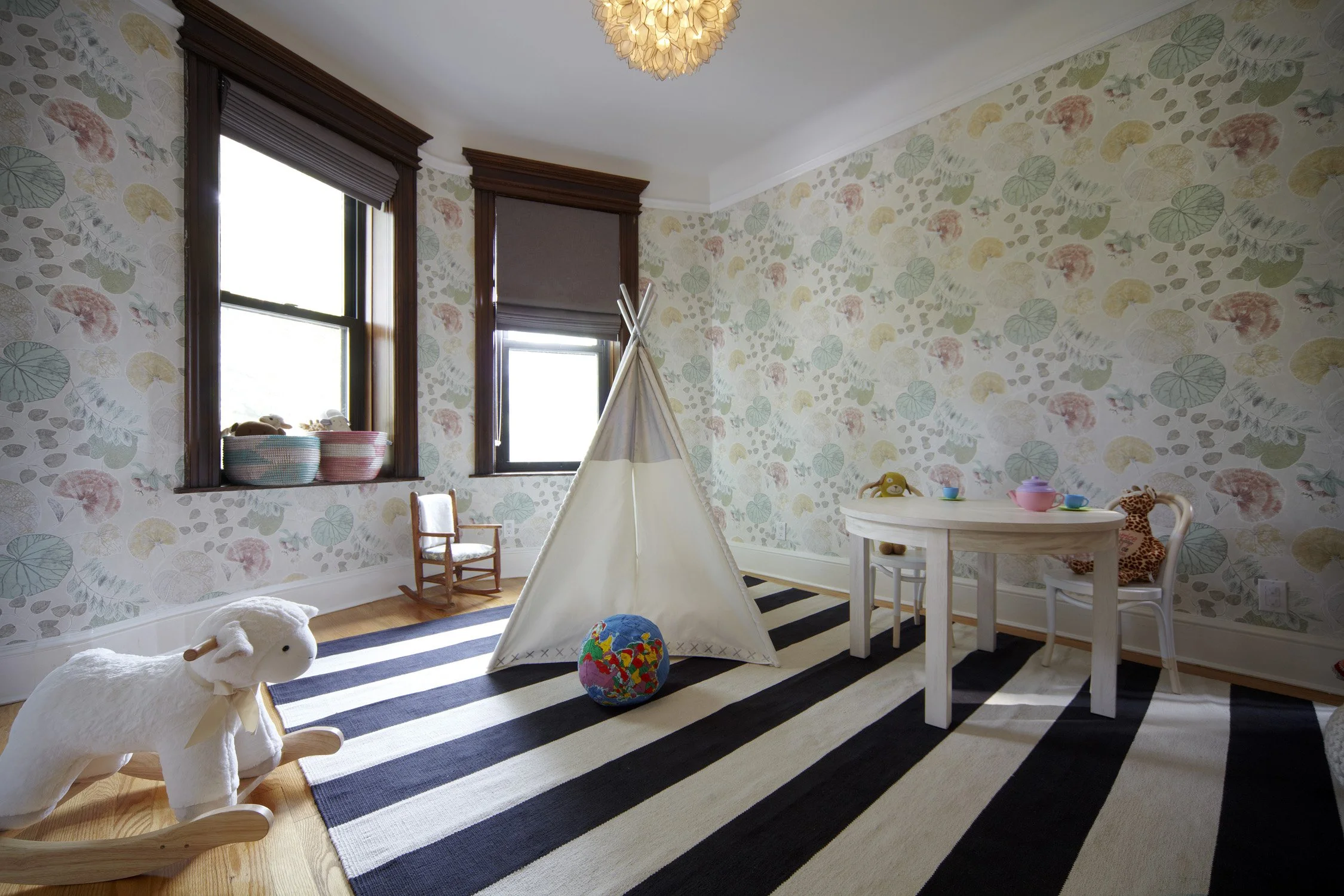
Windsor Terrace Brooklyn Interior Design
Design and Build by Mammoth
Photography by Joe Kramm
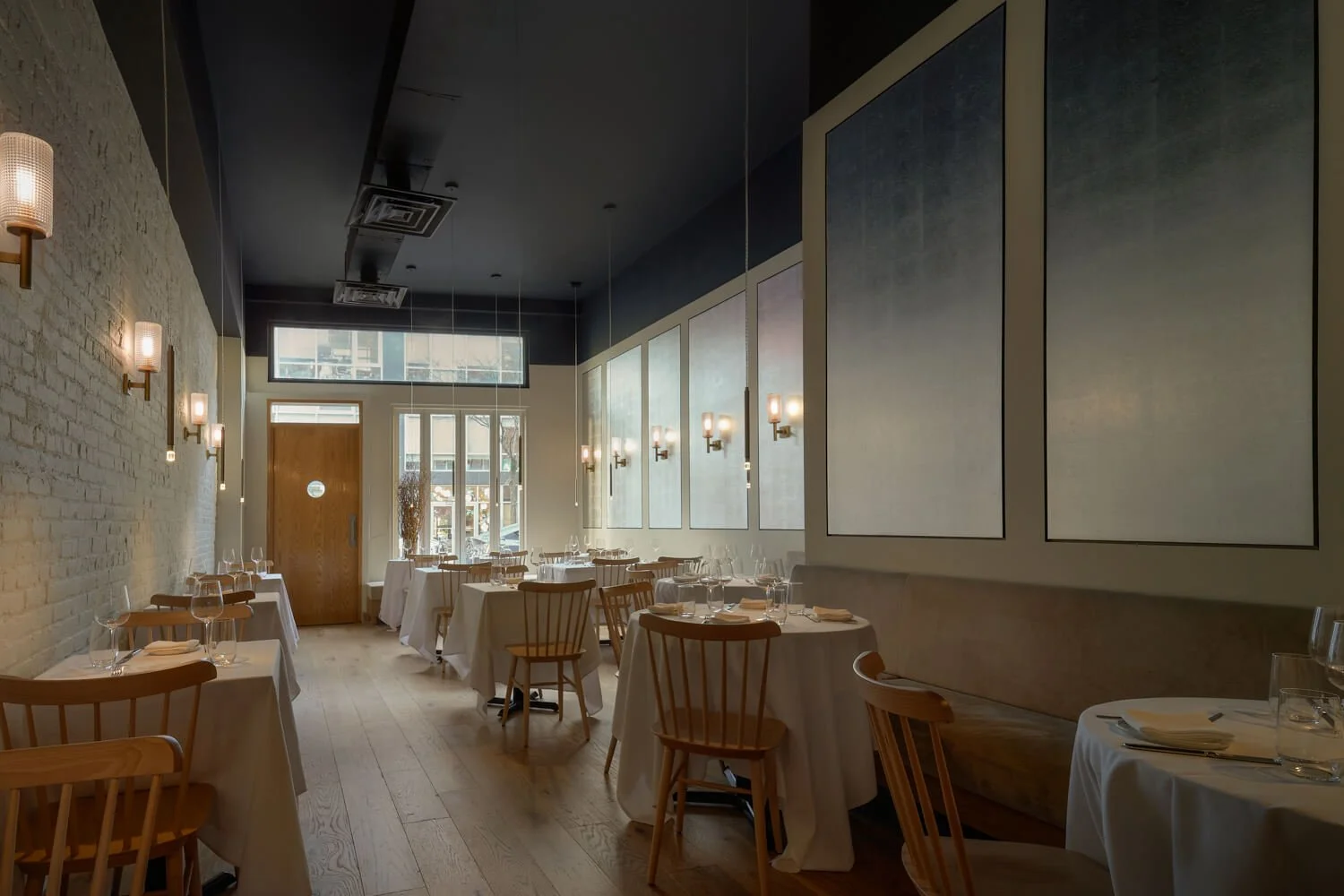
Williamsburg Commercial Hospitality Renovation
Design and Build by Mammoth
Photography by Joe Kramm
What other benefits of design-build do clients experience through this integrated approach?
As mentioned, one of the most valuable benefits is fewer unexpected changes during construction, but another key advantage is predictability as a form of quality.
Design-build is an advantage we should use to our benefit: it allows us to analyze potential risks and find their creative counterpart. Staying ahead in the process gives us an edge, but it also brings predictability, helping us make better creative design decisions.
At Mammoth, some of the creative decisions we consider from the earliest stages of a project include the introduction of elements such as a partial glass block, as seen in 315 St. John’s Place, to preserve natural light while creating spatial separation.
Similarly, early removal of partitions, as in the East Village co-op renovation, where the layout was strategically reconsidered from the outset, including opening up the space and reintegrating the kitchen into the main living area.
In smaller spaces especially, early planning by an integrated team helps reduce construction conflicts down the line. This was the case with the Gramercy Studio.
These are just a few examples. Experience in renovation projects and design-build construction has allowed us to anticipate different types of unforeseen issues and to carefully examine even subtle details that may not be immediately obvious but could potentially compromise or delay construction, while also finding creative solutions that help us stay ahead of potential construction challenges.
Over time, these solutions become more intuitive, allowing us to work with and explore materials that enhance our clients’ vision.
Whether it is a historic building, a modern loft, or a residential apartment, every detail is handled with care and precision from the original concept through to completion, combining thoughtful design and craftsmanship.
We know that every renovation project comes with surprises; in architecture, design, and construction, it would be unrealistic to deny that. However, these should not be seen as a major setback or a burden on the budget, but rather for what they truly are: opportunities.
When investing in a project, it is essential to have a clear understanding of where the budget is going, whether into custom-fabricated elements or key construction decisions. As a homeowner, it is advisable to engage with a design-builder or design-build firm for comprehensive construction services under a single contract from the earliest stages to better understand the process.
Integrated design is increasingly becoming one of the most effective ways to navigate the complexity of the contemporary construction industry compared to other delivery models. It shifts the process from reactive problem-solving to proactive decision-making, where clarity, coordination, and intention define the outcome rather than compromise.
Helping reduce costs and prevent renovation problems before construction begins (and throughout the process) is one of our priorities as a design-build firm. We understand clients’ need for a clear, well-defined design-build process that moves forward smoothly from the very beginning and is successfully realized, without the unexpected pitfalls often seen in traditional construction involving multiple stakeholders and subcontractors. These processes should remain collaborative, transparent, and respectful of the client’s vision at all times. The design-build approach is truly transforming the industry.
Final Thoughts
Renovation projects will always carry some degree of uncertainty. That's the nature of working with existing buildings, older systems, and conditions that can't always be seen until work begins. But uncertainty and surprise are two different things — and design-build services are built around closing that gap.
When design and construction are the same team — from the first conversation to the last detail — something shifts. Problems that would have surfaced mid-construction are caught on paper first. Budget adjustments happen before anyone has committed to anything. Project timelines stay on track because creative decisions are made with what can actually be built in mind.
The result isn't just a smoother process or faster project delivery. It's a better project — one that stays true to the original project goals, keeps the budget as set, and doesn't leave the homeowner paying for decisions that should have been made before construction started.
At Mammoth, this is how we work on every project, regardless of scale. One team, one contract, one clear line of responsibility from concept through construction. It's not a workaround for the complexity of renovation. It's a better way to meet it.
FAQ
What is the design-build model, and how is it different from traditional construction?
In a traditional process, design and construction are handled by separate teams under separate contracts. The design-build model brings both under one roof — one team, one contract, one point of accountability. That integration reduces the friction, miscommunication, and reactive problem-solving that tend to define traditional construction.
Does design-build actually prevent renovation problems?
Not every problem — no honest firm would claim that. But it significantly reduces them. When the team designing the space is also the team building it, potential issues get identified early, before they become expensive mid-construction surprises. The pre-construction phase handles much of the work that traditional methods leave to chance.
Why do renovation costs so often go over budget?
Usually, because decisions that should have been made during design get pushed into construction. Once work has started, changes cost more — in time, materials, and labor. Early coordination between design and construction, with cost awareness built in from the start, keeps the budget where it was set.
What kinds of surprises tend to come up in renovation projects?
In older buildings, especially, there is hidden structural damage, outdated electrical systems, concealed plumbing, uneven floors, conditions that aren't visible until walls come down. These aren't unusual — they're part of working with existing buildings. What matters is having a team that can anticipate them, identify them early, and respond without derailing the project.
Is design-build a good fit for smaller projects?
Yes — in some ways, smaller spaces benefit most from it. When every square foot matters and there's less room for error, having design and construction working together from the start is what allows creative solutions to actually be executed. The Gramercy Studio is a good example of that.
Why Mammoth?
One team, from concept through construction. We handle design strategy, architectural planning, DOB filings, custom millwork, and construction under a single contract — which means every decision is made with the full picture in mind, and nothing gets lost between teams. That's the advantage of the design-build model, and it's how we work on every project we take on.
