High-End Co-op Renovations
in Manhattan & Brooklyn
Mammoth is a woman-owned design-build studio specializing in gut renovations of New York City co-op apartments. Our team guides you through the board approval process, redesigns the layout and replaces aging systems, so your apartment works for the way you live now.
How We Approach Your Co-op Renovation
Discovery
Our team walks your apartment to check the condition of the wiring, plumbing and electrical service. We read your building's alteration agreement at the same time, because it sets the construction window, insurance requirements and waterproofing rules. The apartment's condition and the building's rules shape the scope as much as your goals and budget do.Design
Design happens in three phases. Schematic design sets the layout around your building's wet over dry rules, design development settles materials and millwork, and construction documents give builders the detail they need to execute. We check in on the budget at the end of each phase to avoid any surprises.Regulatory
Your board's architect or engineer reviews the plans before work can begin, and most reviews take several rounds of comments. Our team prepares a complete package and answers each round quickly to keep approval moving. The Architect of Record we work with files your DOB permits, and we coordinate every submission with them.Construction
Our in-house construction team manages every trade and subcontractor, with a project manager on site daily. Work runs within your building's permitted hours, with common areas protected and the managing agent kept informed. A weekly meeting and written report keep you up to date on your co-op renovation, and our workmanship carries a 12-month warranty.
What a Co-op Renovation Includes
H2: What a Co-op Renovation Includes
Most co-op renovations fall into one of two scopes. A gut renovation changes the layout and the systems behind the walls. A cosmetic renovation keeps both and replaces the finishes across several rooms at once. In either case, the building's rules shape what's possible, so our team reads them before design begins.
Gut Renovation
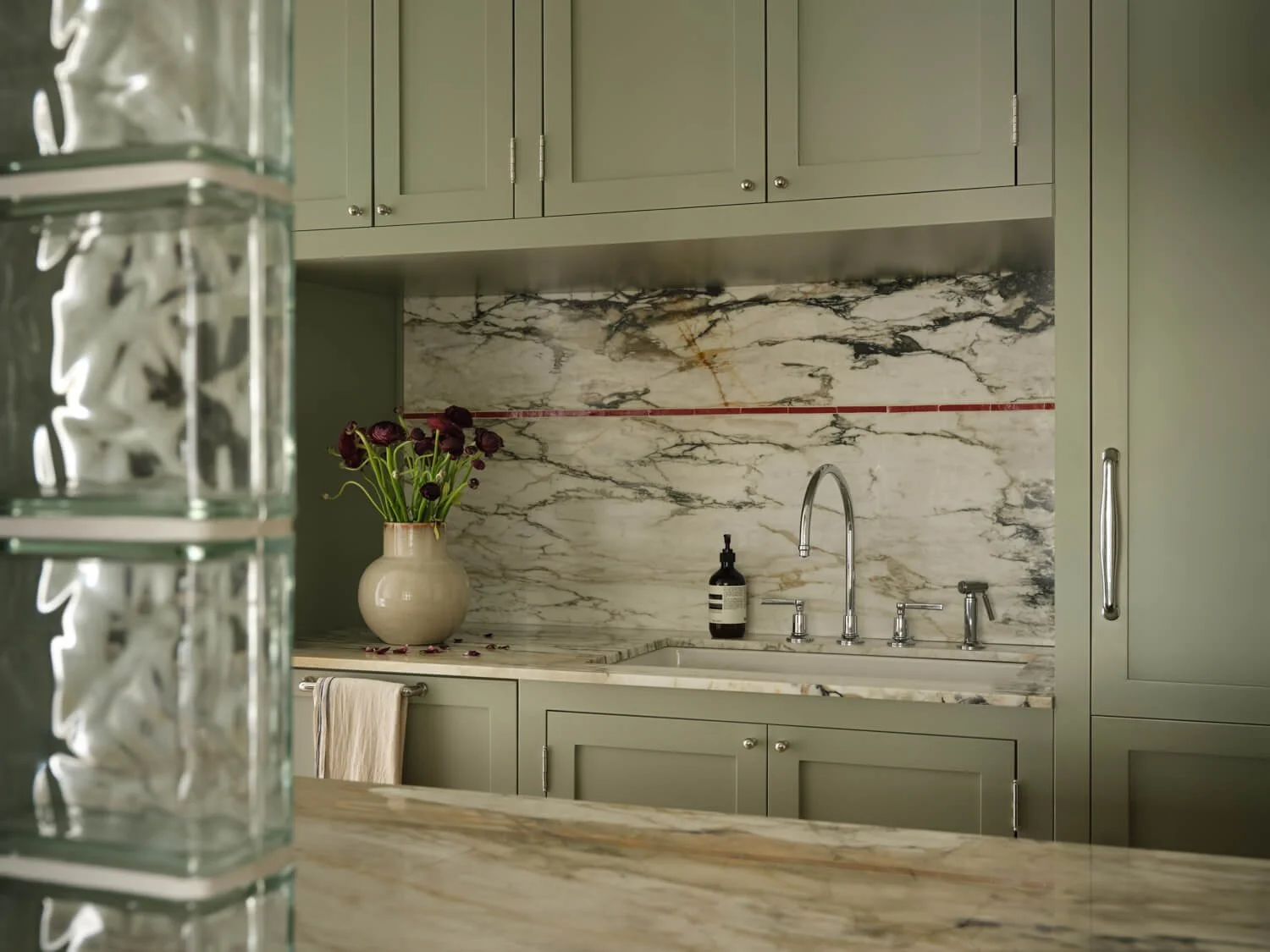
A gut renovation strips the apartment back to its structure and rebuilds it. It's the right scope when the layout no longer works, when the systems are in poor shape, or both. Many pre-war co-ops still have original wiring and too little electrical service for a modern kitchen and air conditioning, and some still run on fuse boxes. A gut renovation reconfigures the floor plan, replaces the electrical, plumbing, windows, and heating and cooling, and finishes every room new.
Apartment combinations are gut renovations too. Joining two units into one home means rethinking where the kitchen and bathrooms go, since one apartment's wet rooms usually become bedrooms or living space.
Cosmetic Renovation
A cosmetic renovation is for an apartment whose layout and systems are in good shape, but whose finishes you want to update. The rooms stay where they are, and the kitchen, bathrooms, flooring, millwork, lighting and paint are redone together as one project. Our cosmetic renovations always cover several rooms, usually the kitchen and bathrooms along with the main living spaces.
What Makes a Co-op Renovation Different
In a co-op, the board decides what can change inside your apartment. Every renovation is governed by the building's alteration agreement and reviewed by the board's architect or engineer, and owners are often surprised by how much the building shapes the scope, schedule and cost. These are the building rules that matter most in a co-op renovation and how our team plans around each one.
Alteration Agreement
The alteration agreement sets the work the board allows, the insurance your contractors must carry, the hours work can happen and how long construction can take. Most buildings allow six months for construction, and some allow as little as two or three. Our team reads it during discovery so the schedule fits the window.
Board Review
The board's architect or engineer reviews your plans before work starts and again as they change. Even a simple project usually goes through at least three rounds of comments. A complete, well-organized package keeps the number of rounds down.
Wet Over Dry
Most co-ops don't allow kitchens or bathrooms above a neighbor's bedroom or living room, because a leak would damage the apartment below. That rule decides where wet rooms can move, so the layout is designed around it from the start.
Branch Lines
The building owns the risers that run vertically through each floor. The horizontal branch lines that carry water from the risers to your fixtures are yours, and nine out of ten alteration agreements require replacing them when you renovate a kitchen or bathroom. Replacing them before the tile goes in means you never break new tile to fix an old leak.
Waterproofing
Buildings set their own waterproofing requirements for bathrooms and kitchens to protect the apartment below. Our team builds every wet area to those requirements.
Electrical Service
Older buildings often deliver limited power to each apartment. A new kitchen and central air can need more service, which takes the building's approval, so we check capacity before the design is final.
Building Hours and Common Areas
Work happens only during the hours the building allows. Deliveries and debris move on a booked elevator, hallways are protected, and our team stays in contact with the managing agent throughout construction.
What Does a Co-op Renovation Cost in NYC
How much does a co-op renovation cost in NYC?
A gut renovation typically costs $400 to $800 or more per square foot, depending on the size of the apartment, the systems work and the finish level. Building fees and the board's review add to the total. If your scope is larger than your budget, we'll tell you from the start and help you phase the work.
What is the difference between a gut renovation and a cosmetic renovation?
A cosmetic renovation keeps the layout and the systems behind the walls and replaces the finishes. A gut renovation can change the layout, replace the electrical, plumbing, windows and heating and cooling, and redo every finish. Most owners know which they need once they decide whether the layout works for them.
Do you take on kitchen-only or bathroom-only renovations?
No. We take on gut renovations and cosmetic renovations that cover several rooms at once. If you're planning a single kitchen or bathroom, a specialist remodeler is a better fit for that project.
What is a co-op alteration agreement?
It's the contract between you and your building that governs the renovation. It sets the scope the board allows, insurance requirements, working hours, the construction window and rules for waterproofing and plumbing. Our team reviews it at the start so the design and schedule fit it.
Can I move my kitchen or bathroom in a co-op?
Often, within limits. Most co-ops follow a wet over dry rule, which keeps kitchens and bathrooms from sitting above a neighbor's living space. Our team designs the layout around that rule from the start, so the plans you take to the board are ones it can approve.
Can you combine two co-op apartments?
Yes. A combination is a gut renovation that joins two units into one home, and it needs board approval and DOB permits like any gut renovation. We plan the new kitchen and bathrooms around the building's wet over dry rules.
Do you handle DOB permits?
The Architect of Record we work with files all DOB permit applications, and we coordinate with them on every submission and follow-up. New York requires you to hold the Architect of Record's contract directly, but their fee is included in our proposal. You don't need to find your own expediter or architect.
Do we have to move out during a gut renovation?
Yes. A gut renovation leaves the apartment without a working kitchen or bathroom for months, so plan for temporary housing in your budget. The detailed schedule tells you when you'll be back in.
Where do you work?
We work in Manhattan and Brooklyn, in pre-war and post-war co-op buildings across both boroughs.
Renovating a Co-op Apartment?
Get a Consultation.
We take on full gut renovations and multi-room renovations in Manhattan and Brooklyn. Complete the form below to submit your inquiry, and add the address of your brownstone so we can prepare before we speak.