
You did it! You bought an apartment that has all the potential to be your ideal living space. And now you’re ready to plan your renovation and home remodeling project.
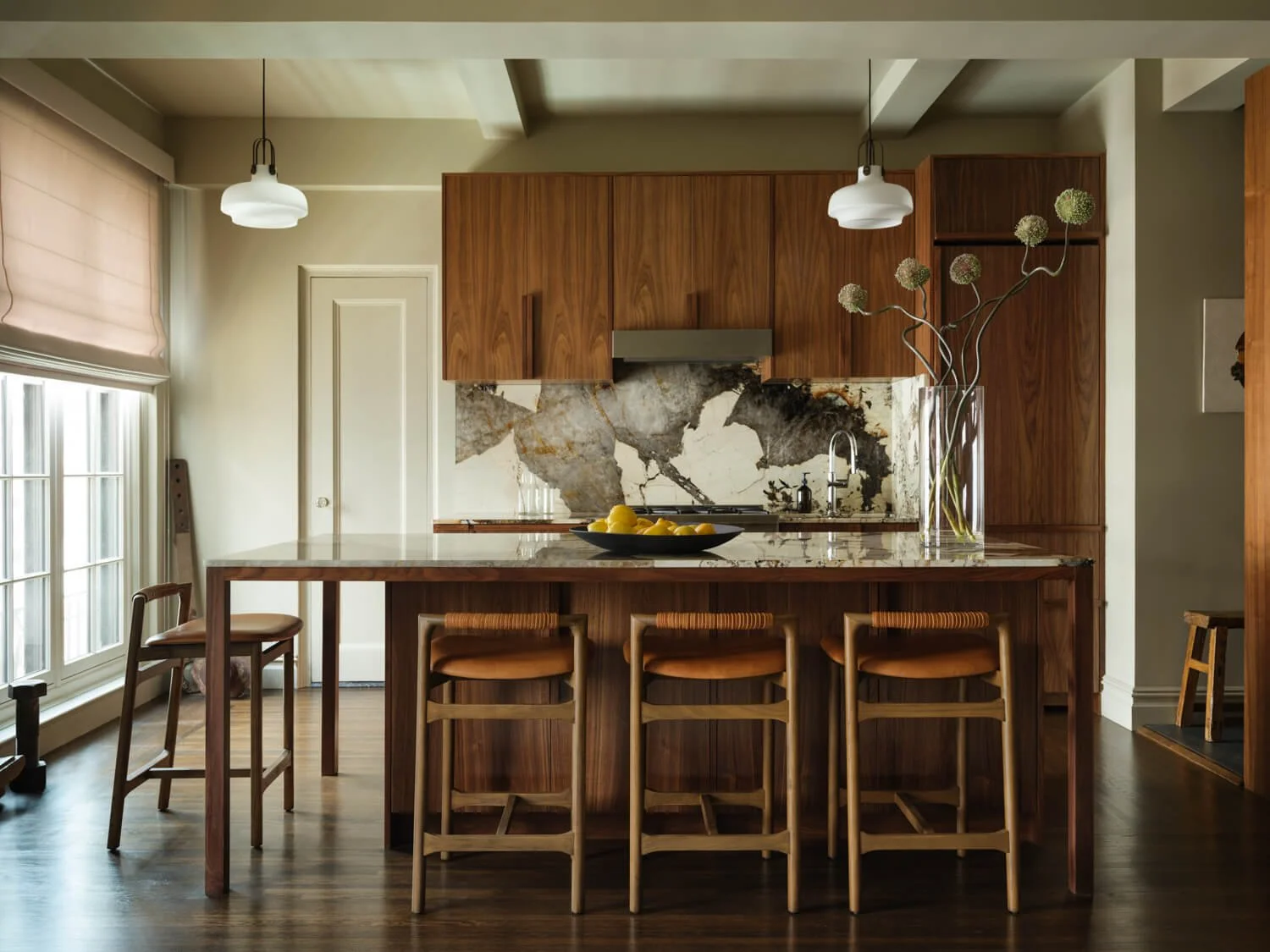
Gut Renovation of Park Avenue Co-op by Mammoth
With any renovation, there will be soft costs and hard costs, sunk costs and prospective costs. It pays to have realistic expectations about where your money will go and what you can get for your investment for your remodel. And while it can be helpful to start thinking in terms of average costs per square foot, typical estimates will only get you so far as a NYC apartment and Brooklyn apartments are universally anything but average. Many pre-war units could benefit from layout changes when undertaking a full gut, while post-war units could often benefit from wall furring for additional lighting points, custom vanities to maximize precious inches of available Manhattan real estate, and occasional asbestos abatement. In either case, square footage calculations can miss when major overhauls are needed in portions of your home. Understanding your specific home’s unique needs and being able to manage project costs as they unfold requires a more detailed and realistic understanding of where and how to budget.
Understanding Budgeting & Soft-costs
Permitting & Approvals
Building Fees
Temporary Housing & Storage
Insurances
Contractor Quality
Dry vs. Wet Spaces
Waterproofing Requirements in Multi-Family Buildings
Custom-Fabricated Elements
Square Footage Estimates for Dry Spaces
Structural, HVAC, Window, Radiator Work
Understanding Budgeting
For 1200 sq ft two-bedroom, one bathroom apartment in Manhattan, the following scope of work is typical for many homeowners undertaking a gut renovation: take down walls to open up the kitchen to the living Area, renovate the kitchen and bathroom, refinishing existing wood floors, and incorporating minor upgrades like changing the door hardware and painting. We’ll start by outlining the soft costs.
Soft-costs
An extensive home renovation in NYC — near always — requires working with a design professional for your renovation; you’ll want to know that fees can vary widely, along with fee structures. Some designers, architects, and design-build companies charge a lump sum based on the project scope, while others may suggest an hourly rate. Lump sum proposals for the project we described can range from $20,000-$40,000 and up, depending on the exact services included. Speak with designers to understand their interior design process and how much you will need to be, or not be, involved. If you are planning to DIY your design, speaking with general contractors at this early stage is a good idea, again, to understand their process for working directly with homeowners. Reviewing the alteration agreement to understand the building’s insurance requirements is wise to ensure the general contractors you are vetting are well positioned to perform work in your building.
Permitting & Approvals
The next question we need to ask is whether this work requires a permit and the answer here is yes, due to the removal of the kitchen partitions. This is the single most important factor in understanding where your budget will need to be allocated, as it pre-determines the need for a registered design professional to prepare and file a set of drawings with the Department of Buildings. In New York City, a budget for these services, including asbestos testing, when applicable, and DOB fees, starts around $15,000.
Building Fees
Next, let’s understand what type of building your apartment is in, whether it is a condo or a co-op. Does your building management assess fees to review an alteration application? Is this a lump sum or is it based on hourly services administered by a building architect or engineer who will perform the review? Either way, expect to hand over $1,500 or more to get your project approved by your building or board. For the renovation described above, the reviewing party will want your design professional’s assurance that the walls that will be removed are not structural. In some cases this may require the opinion of a structural engineer, and/or physical probes to expose the building structure and confirm the conditions. Hold a contingency of $2,000-$5,000 in case you need to bring in a construction team, or structural engineer, to provide sufficient documentation here, and budget 1-3 months for the application process for a basic renovation.
Temporary Housing & Storage
Finally, we’ll consider something many homeowners take for granted: where will you live while the renovations are being carried out and where will your stuff live? When undertaking bathroom and kitchen renovations, it’s a good idea to get quotes for moving and storage and to start to look into temporary housing at an early stage. You may think you can live with the noise and dust of a renovation, while eating only take-out and showering at the gym, but aside from being inconvenient, this can increase construction labor and protection costs, and many contractors just won’t entertain it. The cost of moving, storage and rent will be unique to your needs, but for our example we’ll assume $5,000 per month for a duration of 4 months – a total of $20,000.
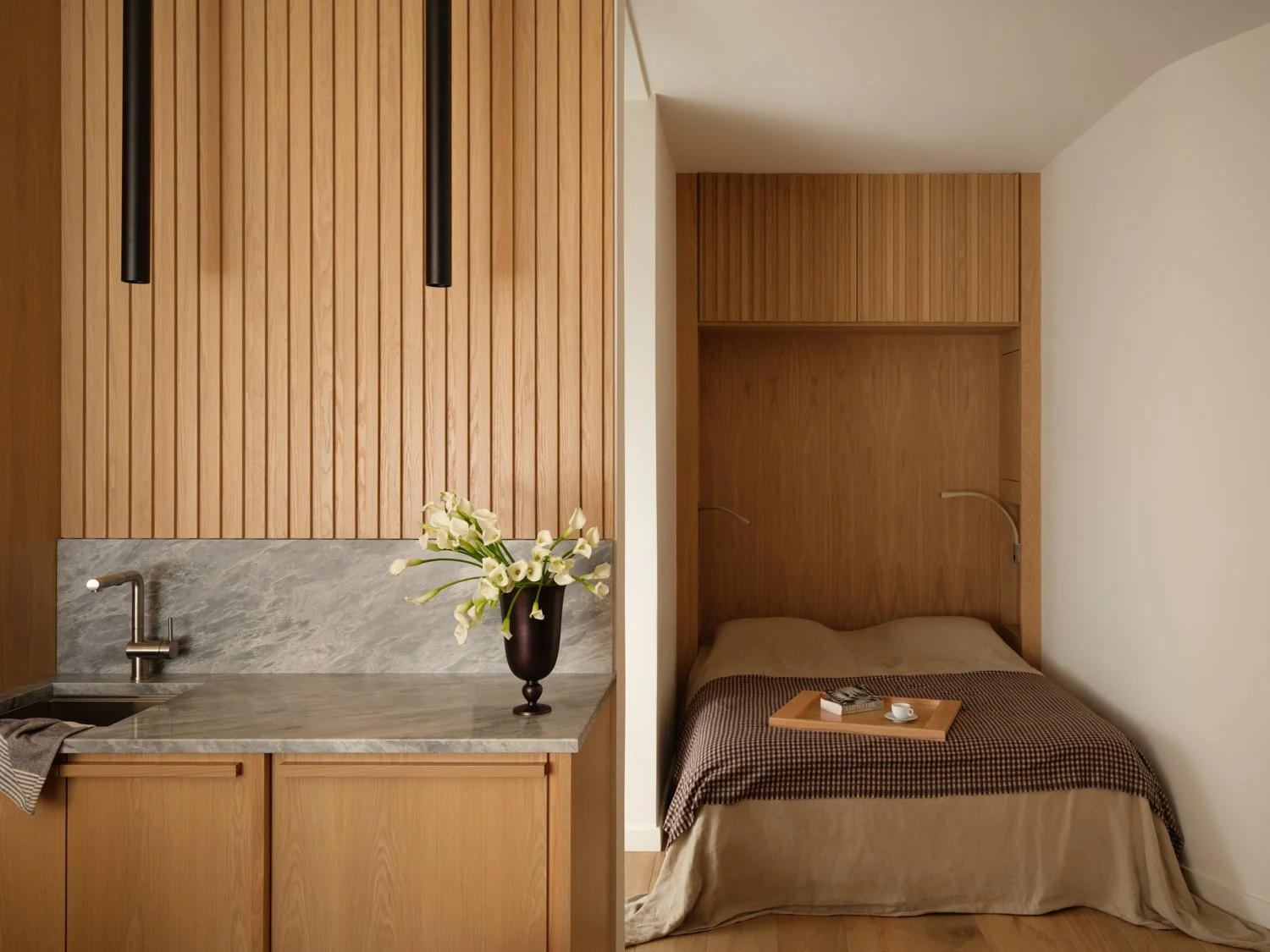
Gut Renovation of West Village pied-a-terre by Mammoth
Construction Costs:
Soft costs aside, construction itself can be largely broken out into two segments: labor costs and FFE (fixtures, finishes, and equipment, aka materials). For most projects, labor costs contribute to 70% of overall budgets, which materials account for roughly 30%, excluding insurance, project management fees, contractor profits or regulatory fees. While these can swing if selecting especially fine materials, or conversely, planning for highly specialized design elements like hand-painted murals, it’s a reasonable rule of thumb for most renovation projects.
Insurances
Your general contractor selection is the single most important factor here, as bids can vary widely. Hiring someone with the proper insurance, however, is non-negotiable, and in many cases your building will stipulate what they deem sufficient. Generally speaking, builders and contractors working in New York City will need to carry a minimum of 1 million dollars in general liability insurance and have an umbrella policy of 5 million. These policies come with a cost that is generally passed through to clients and can be in the range of 5% to 10% of the construction project value. This extends to the trades as well: plumbing and electrical companies will need to prove that they carry this amount of coverage – and everyone must carry workers compensation insurance.
Contractor Quality
As contractor pricing increases, typically, so should quality and service — you get what you pay for. A full-service construction company that provides project management along with construction and trade labor and rough materials will likely charge a premium. If you don’t see a line item for project management, ask about it, and consider whether it’s important for your project. Clients who are busy with their own professions and lives may prefer to hand project management off rather than spend their time chasing material deliveries or requesting schedule updates. A budget for project management can run from 10% of the construction project value and up.
Dry vs. Wet Spaces
No matter the contractor, construction and material costs will be categorically different for “dry spaces” versus “wet spaces.”
Wet spaces, such as kitchen renovations and bathroom remodels, house what are generally the most costly materials in any renovation project. Plumbing fixtures, tile, countertops, backsplash, cabinetry, and accessories for a standard 5 x 7 sq. ft bathroom, for example, can cost about $15,000 for a mid-range renovation, though high-end selections will increase this figure significantly. As the spaces are small, and homeowners are often trying to squeeze every inch of functionality out of them, it’s common to see custom solutions implemented here. For example, while stock vanities can start around $1,000 for a decent quality option, custom vanities can really help to maximize storage and make your space that much more functional. Expect to spend $3,000 and up for the same size vanity made as custom millwork by a local craftsperson, or millworker, and around $2,000 per square foot all-in for your bathroom renovation construction.
Waterproofing Requirements in Multi-Family Buildings
Wet spaces also have specific requirements in New York City. It is a requirement to work with a licensed and insured plumber and to provide waterproofing so that a leak in a wet space can be contained to the footprint of that space alone. Designers and contractors who work in NYC will be familiar with waterproofing products such as Laticrete, that get applied to the flooring and walls prior to tile installation, for a cost of about $20 per square foot installed.
Custom-Fabricated Elements
In our smaller, post-war NYC kitchens, this is even more true. Stock cabinetry comes in fixed sizes – generally 12”, 15”, 18” and 24”, depending on the manufacturer, with depths of only 15” or 24” and fixed heights that may leave extra room on the table, or, in this case, the ceiling. With custom cabinetry, homeowners can utilize everything sq. ft available to them (which means you no longer have to store your cookware inside your oven). Full height, custom kitchen cabinetry starts around $1,800 per linear foot, installed, and construction costs for a renovated kitchen, inclusive of custom cabinetry, plumbing fixtures, tiles, stone, and lighting, start at around $1,500 per square foot all-in.
Square Footage Estimates for Dry Spaces
In dry spaces, such as bedrooms and living areas, the per square foot numbers are much lower, and generally more accurate. To refinish or replace flooring and to paint existing walls and ceilings, budget $100 per square foot for mid-range finishes. And to replace door hardware, figure $300 per hardware set plus a similar cost for installation. Dry spaces are much easier to calculate with square footage calculations, and are equally true for a studio apartment, one-bedroom, or full brownstone.
Structural, HVAC, Window, Radiator Work
It is important to include line-items for big-ticket items like adding HVAC, any necessary structural changes, window replacement that may or may not be required in your home. These are costs vary greatly in large part based on the requirements of your home and are hard to generalize. Reliable estimating starts with getting estimates with relevant professionals.
Conclusion
Create a simple worksheet, noting the specific soft and hard costs, with fee breakdowns for design, building management, consultants or filing agents, and cost breakdowns for finish materials and for construction, and refer to it often to help keep the financial end of your project in line. Your design professional and/or builder can help provide transparency here. Are their proposals sufficiently detailed and do they make sense? Have they clearly explained the process to you and whether permits will be needed? What is in your budget that is missing from theirs, or vice versa? Doing your research and asking the right questions early is worth it in order to efficiently manage apartment renovation costs
Contact Mammoth
See more examples of our home renovation work in our portfolio.
Read more about our home renovation services.
Connect with us about a project you have in mind.
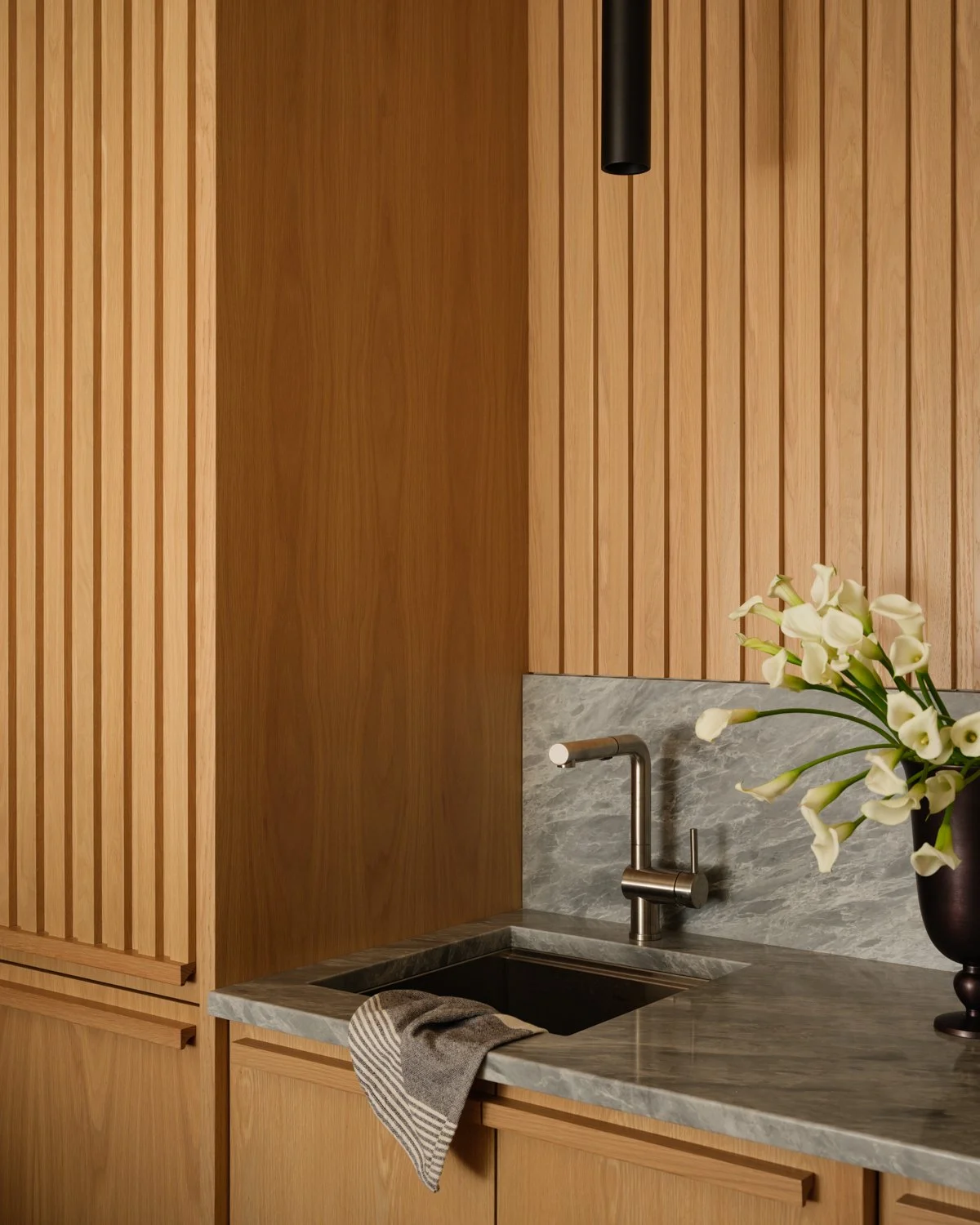
343 W 12th St Renovation

49 Columbia Place Renovation
