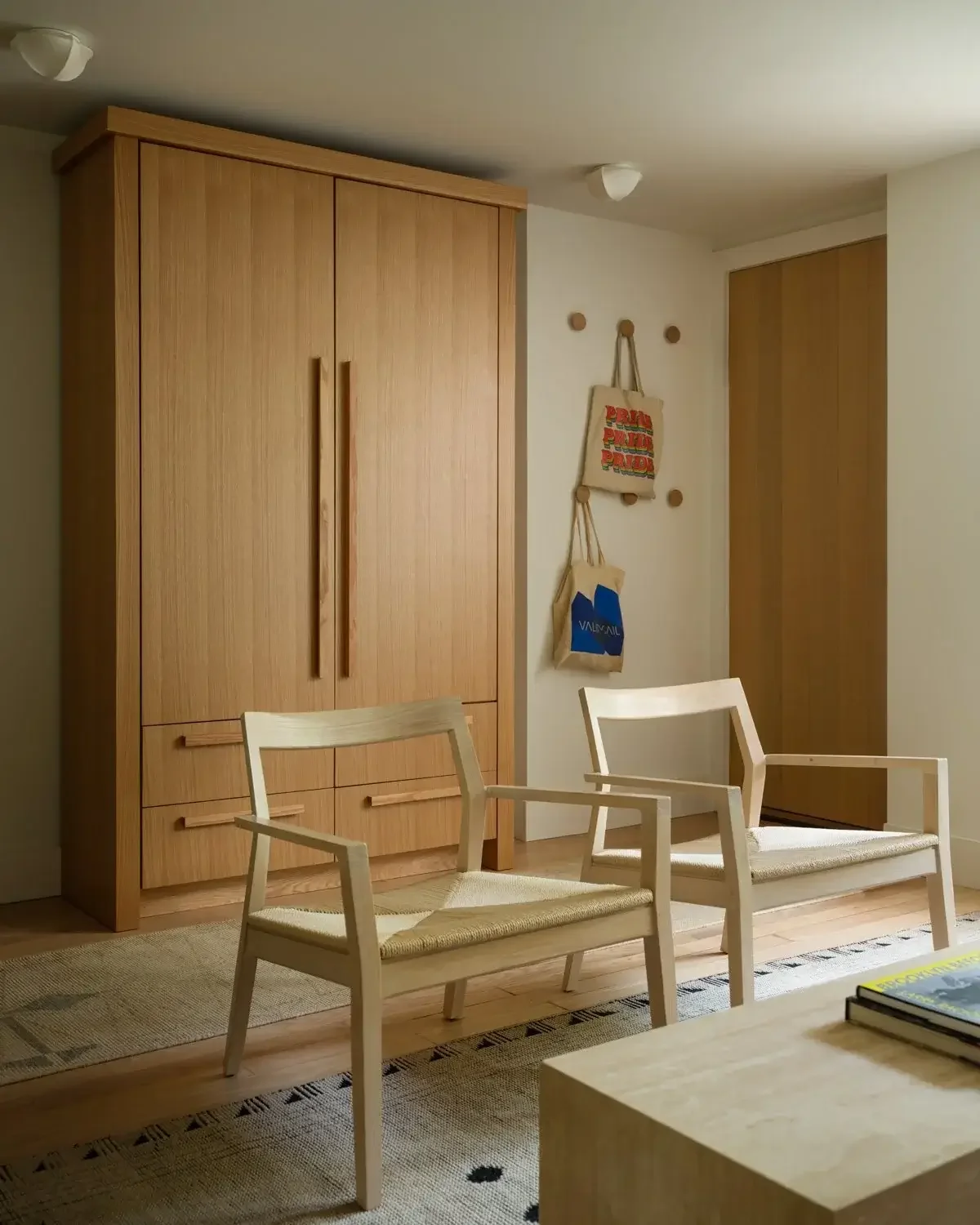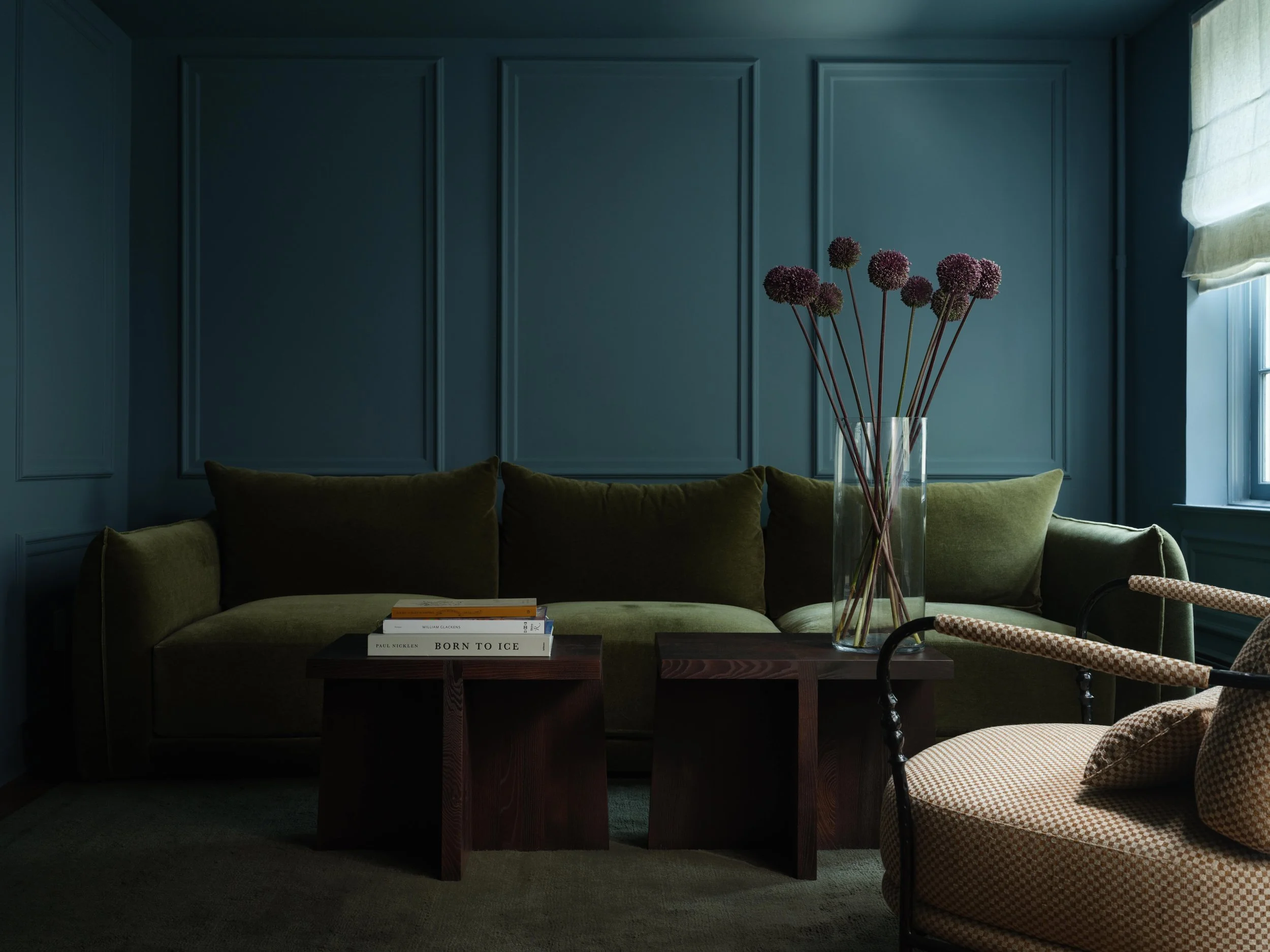
Comprehensive residential transformations from structural overhaul to final finishes managed start to finish by our in-house design-build team.
Full Gut Renovations, Thoughtfully Designed and Built








-
-
We specialize in high-end residential renovations across NYC — from historic brownstones to modern lofts, townhouses, and apartments. As a full-service design-build firm, Mammoth handles every detail from concept to completion, delivering complete design and build solutions all under one roof.
-
A gut renovation is the most complete transformation a New York City apartment can undergo. It means stripping a space back to its structure, rethinking everything about how it works, and rebuilding it with total intention. When it's done right, the result doesn't feel like a renovation — it feels like the apartment was always this way.
At Mammoth, gut renovations are where our expertise as a design-build firm delivers its greatest value. Architectural design services, interior design, and construction as a single integrated team from the first conversation through the final punch list — so the vision that begins on paper is the same one that finishes on the wall.
What a Full Gut Renovation Involves
A full gut renovation goes well beyond a simple cosmetic renovation involving new finishes or updated fixtures. It means opening walls, reconfiguring layouts, replacing aging infrastructure, and making the decisions that shape how a space functions for decades. In New York City — and especially in pre-war buildings across Manhattan and Brooklyn — that process involves a level of complexity that only a team with deep local experience can navigate without costly surprises.
Demolition
In co-op and condo buildings, demolition requires careful coordination with building management — protecting common areas, respecting building rules around working hours, and managing how materials enter and leave the building.
Layout Changes
Reconfiguring a floor plan to reflect how an owner actually wants to live — opening a kitchen to the living area, relocating a bathroom and reconfiguring partitions. In NYC apartments, this often means updating homes to suite modern family life.
Plumbing Updates
In nearly all renovations in NYC, buildings require that we replace all branch lines back to the risers, even if the locations of the fixtures remains intact. This maintains the integrity of building systems, and is a cost that should be anticipated as part of the renovation. To do this work, we typically need to remove the sheetrock on the entire wet wall and rebuild it after the branch lines have been replaced.
Electrical Wiring
Electrical updates are often needed to bring a home to current code compliance in most renovations. A dedicated electrical outlet is required for each kitchen appliance, as well as convenience outlets above countertops and above baseboard height throughout a home.
Cloth wiring — common in pre-war construction — when found needs to be replaced entirely in a full gut renovation. This is also the moment to upgrade electrical capacity, add circuits, and integrate lighting design from the start rather than retrofitting it later.
Many of our clients choose to add on specialty outlets with USB-C plugs as part of their renovation.
Waterproofing
Properly executed waterproofing in wet areas protects not only the renovated apartment but the units below — a particular concern in co-op and condo buildings where insurance requirements and building rules govern the relationship between neighbors and the building itself. Laticrite is a common waterproofing membrane required by NYC buildings.
Asbestos Testing
In any planned gut renovation in New York City, asbestos testing is required to apply for a DOB permit, and must be submitted prior to being granted approval.
Custom Millwork and Finishes
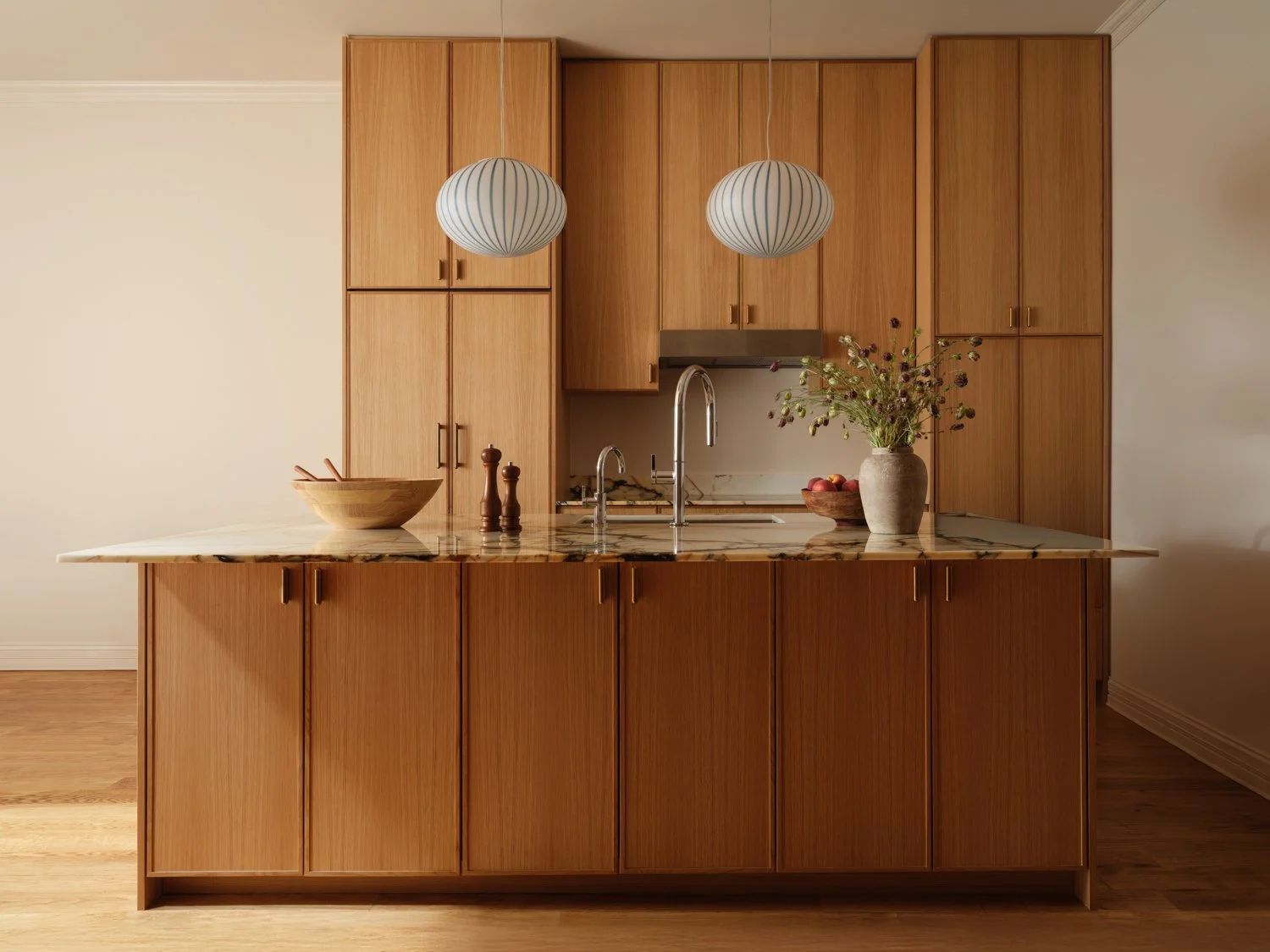
Kitchen cabinetry, custom millwork, light fixtures, and all finish selections are developed through the design process and specified before construction begins. That sequencing is one of the most important advantages of the design-build model — decisions about materials and finishes inform the construction timeline rather than disrupting it.
Navigating the Regulatory Landscape
A gut renovation in New York City means working within a regulatory framework that has no real equivalent in most other markets. Managing it well — from the start — is what keeps a project moving.

Co-op Board Approvals and Alteration Agreements
In a co-op building, board approval is required before the permitting process. The alteration agreement defines the approved scope of work, establishes insurance requirements, and outlines the building rules the renovation must follow. A thorough, well-organized package — one that addresses likely board concerns before they are raised — is what keeps approval timelines on track. We coordinate directly with managing agents and building architects or engineers, and that relationship makes a measurable difference in how the process moves.
LPC
In landmarked buildings, historic districts, and brownstone or townhouses renovations, the Landmarks Preservation Commission often has jurisdiction over anything visible from the street. For gut renovations that include exterior work, LPC review is part of the process. Applications are submitted via the Portico Portal by a licensed architect, and require signature from building management in multifamily buildings so building approval is necessary in advance of this submission.
If the work is contained to the interior, the filing with LPC is called “A Certificate of No Effect” and must be applied for and granted in advance of being granted a permit from DOB.
LPC offers a variety of expedited reviews when proposing work that is either in line with the historical character of the neighborhood or is minor work relating to mechanical or electrical systems that are on a facade, but not a primary one. The latter are eligible to apply for a “Fast Track” application and are often reviewed in about two weeks.
DOB Permits
Any gut renovation requires filings with the New York City Department of Buildings. Each category of work — architectural, mechanical, structural, plumbing, electrical — has its own permit, its own inspection sequence, and its own timeline. Our design-team manages this sequencing and keeps the client abreast of
Understanding Cost Per Square Foot
Cost per square foot is one of the most common questions at the start of a gut renovation — and one of the most difficult to answer without context. High-end gut renovations in New York City typically run from $550 to $700 per square foot, with ultra-luxury projects exceeding $1,000 per sq. ft. These figures reflect the full reality of the work: not just labor and materials, but the logistical complexity of building in New York and the time required to navigate the regulatory process correctly.
Where the budget goes matters. Roughly 70% of a gut renovation budget is typically allocated to labor — the electricians, plumbers, carpenters, custom millwork, kitchen cabinetry,and other skilled trades whose work defines the quality of the result, alongside the project management required to coordinate them. The remaining 30% covers materials like plumbing fixtures, tile, stone, light fixtures, and finishes.
Customization shifts that ratio. Integrated architectural lighting, complex stone work, and bespoke millwork all increase the investment in both materials and the craftsmanship required to execute them correctly. Our estimates are detailed and itemized. When changes arise — and in a project of this complexity, some will — they are documented, priced, and approved before work proceeds.

Project Management and Our Approach at Mammoth
A gut renovation involves more moving parts than most owners anticipate — DOB permits, board approval timelines, subcontractor coordination, managing agent communication, building management requirements, and the dozens of daily decisions that determine whether a project finishes on time and within budget.
From the first board approval through the final punch list, you have a single point of contact at Mammoth who is across all of it. That continuity matters. It means nothing falls between the gaps of a handoff, and it means you always know where your project stands.
Temporary Housing and Timeline
A full gut renovation requires the apartment to be vacant throughout construction. Planning for temporary housing — and understanding how long the project will realistically take — is part of the first conversation we have with every client. A gut renovation of a significant New York apartment typically runs between twelve and twenty-four months from the start of design to move-in, depending on scope, custom fabrication lead times, and the pace of the approval process.
Starting construction before the design is fully resolved is one of the most reliable ways to extend that timeline and increase costs. The hours spent in design — coordinating millwork with mechanical systems, resolving layout changes with structural requirements — are never wasted.
Why Mammoth
We work exclusively in New York City, with extensive experience across Manhattan. Gut renovation in this market — with its pre-war buildings, its co-op board processes, its DOB requirements, and its particular logistical demands — is what our team is built for. The design-build model means one team, one contract, and one point of responsibility acting as your architect, designer, and general contractor across architectural services, interior design, and construction.
Our track record reflects years of understanding what boards look for, what the Department of Buildings requires, and what it takes to deliver a finished apartment that holds up to the standard these projects demand — from the first demolition through the final punch list.